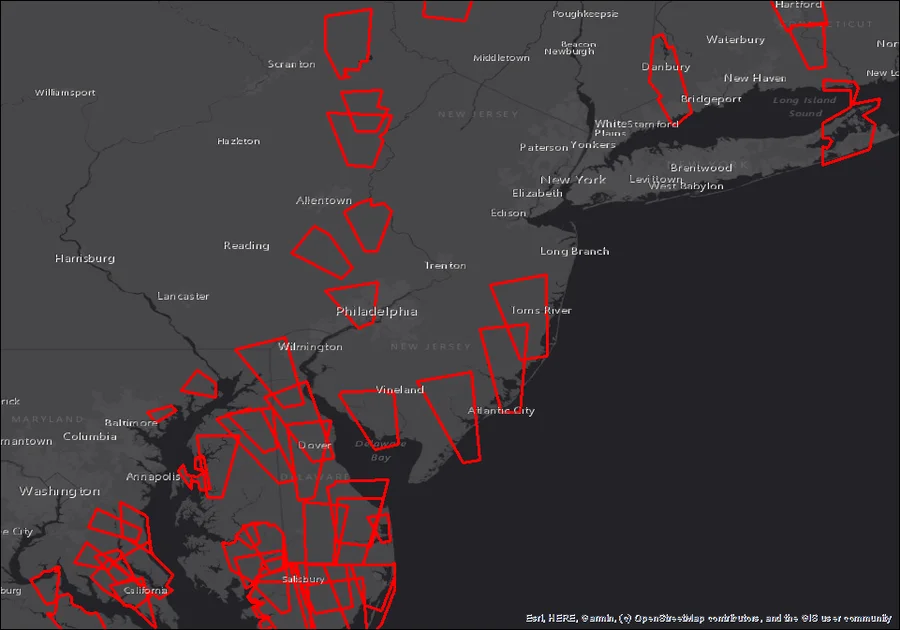
Widespread Tornado Warnings Put Millions on Alert
A powerful storm system sweeping across the central and southern United States has triggered a wave of weather tornado warnings, placing millions of residents under immediate threat. The National Weather Service (NWS) has issued tornado warnings across multiple states including Oklahoma, Kansas, Texas, Missouri, and Arkansas, urging residents to seek shelter immediately and monitor local emergency broadcasts.
Authorities confirmed that several tornadoes have already touched down, with preliminary reports of property damage, downed power lines, and road closures across affected counties. Emergency management teams have been deployed in anticipation of further destruction as the storm system continues to move eastward. At its peak, the active warning zone stretched across an area home to more than 15 million people.
Key Facts From the Ground
- The NWS Storm Prediction Center classified parts of the outbreak zone under a "High Risk" designation — the most severe category on its convective outlook scale.
- Wind speeds associated with confirmed tornadoes have been estimated at between 120 and 165 mph in some areas.
- Local authorities have opened emergency shelters in multiple counties, and evacuation advisories have been issued in several low-lying rural communities.
- Utilities companies reported tens of thousands of customers without power as of the most recent update.
Federal Emergency Management Agency (FEMA) officials confirmed they are monitoring the situation closely and are prepared to mobilize resources if states request federal disaster assistance.
Why This Tornado Outbreak Matters
The Broader Risk Landscape
The United States experiences more tornadoes than any other country in the world, averaging around 1,200 per year according to NOAA data. However, the concentration and intensity of this current outbreak places it among the more significant early-season events in recent memory. Meteorologists have pointed to an unusually active jet stream pattern and warm Gulf moisture pushing northward ahead of schedule as contributing atmospheric factors.
What makes this weather tornado warning event particularly concerning is its geographic spread. Rather than being confined to the traditionally defined "Tornado Alley" — the corridor running through Texas, Oklahoma, Kansas, and Nebraska — this system is also threatening communities in Tennessee, Mississippi, and parts of the Ohio Valley. Scientists and climatologists have been tracking a gradual eastward shift in tornado activity over the past two decades, meaning more densely populated areas in the Southeast and Midwest are increasingly exposed to severe risk.
For residents unfamiliar with tornado preparedness, local emergency services are emphasizing several core safety protocols: move to the lowest floor of a structurally sound building, avoid windows, and do not attempt to outrun a tornado by vehicle unless escape routes are clearly open. Wireless emergency alerts are being sent automatically to mobile phones within warning zones, but officials stress that residents should also have battery-powered weather radios as a backup, particularly given the frequency of power outages during such events.
Infrastructure and Economic Stakes
Beyond immediate human safety, significant economic infrastructure lies in the path of this system. Agricultural regions in Kansas and Oklahoma — critical zones for US wheat and cattle production — face potential crop and livestock losses. Insurance analysts have already flagged the event as one likely to result in substantial insured losses, with early estimates from risk modeling firms suggesting figures could run into the hundreds of millions of dollars depending on final storm tracks.
Transportation networks are also under pressure. Multiple interstate highways have seen temporary closures, and several regional airports suspended operations as severe weather moved through. Supply chain disruptions, even if short-term, can have cascading effects on regional economies.
A Changing Threat: Tornadoes, Technology, and Community Preparedness
This latest outbreak arrives at a moment when the science of tornado prediction and warning is more advanced than ever — yet gaps in public preparedness remain a persistent challenge. Lead times for tornado warnings have improved significantly over the past 30 years, rising from an average of under five minutes in the early 1990s to approximately 13 minutes today, thanks to advances in Doppler radar technology and NWS forecasting methods.
Despite these improvements, the risk is not distributed equally. Rural and lower-income communities often lack access to robust shelter infrastructure, and language barriers can limit the reach of official alerts. Community advocacy groups have long pushed for investment in public shelter networks and multilingual emergency communication systems.
The frequency of high-profile warning events is also reshaping how local governments think about urban planning, building codes, and public education. Some states are revisiting requirements for storm shelters in new residential and commercial construction — a policy debate that is likely to intensify following outbreaks of this scale.
For those wanting to understand how regional climate and weather patterns shape daily life in specific areas, resources like Liverpool Weather: A Complete Guide to Climate, Seasons and What to Expect offer useful comparative context on how geography influences local weather norms.
As this storm system continues its track eastward, forecasters warn that the risk of additional tornado activity remains elevated through the coming 48 hours. Residents across the affected region are being urged to stay informed, take warnings seriously, and prioritize personal and family safety above all else.
Comments