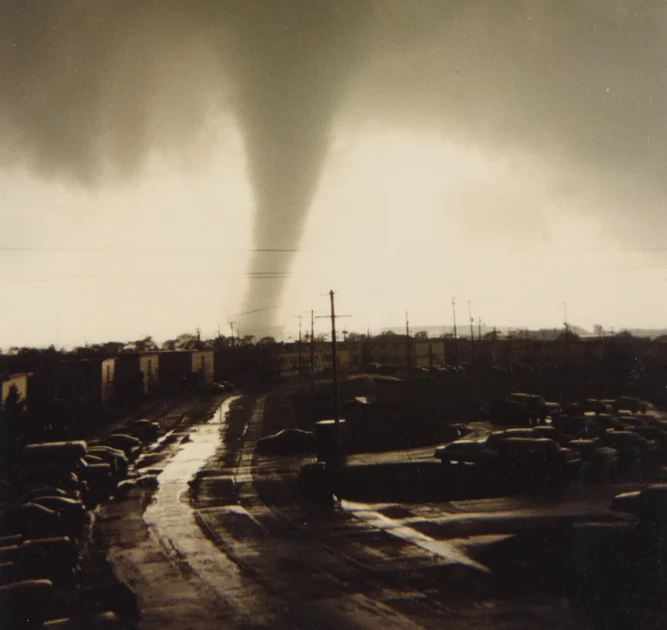
Destructive Tornadoes Strike Multiple States, Leaving Communities Devastated
A powerful series of tornadoes has swept across the central and southern United States, unleashing catastrophic destruction across multiple states and prompting emergency declarations in affected regions. The storms, part of what meteorologists describe as an unusually active outbreak cycle, have resulted in confirmed fatalities, widespread injuries, and the displacement of thousands of residents. Emergency response teams are working around the clock as search and rescue operations continue in the hardest-hit communities.
The National Weather Service (NWS) has issued tornado warnings and watches across a broad corridor stretching from the southern Plains through the Midwest, a region often referred to as Tornado Alley. Winds in the most severe twisters have been estimated at over 150 miles per hour, capable of demolishing structures, uprooting trees, and hurling debris across wide distances. Authorities are urging residents in at-risk zones to seek shelter immediately and monitor local emergency broadcasts.
First Responders and Emergency Management on High Alert
Governors in several states have activated National Guard units and declared states of emergency, unlocking federal disaster relief resources. The Federal Emergency Management Agency (FEMA) has deployed rapid response teams to coordinate aid distribution, temporary housing, and infrastructure assessments. Local hospitals have reported an influx of patients with injuries ranging from lacerations and broken bones to trauma from collapsed buildings. Power outages affecting hundreds of thousands of customers have further complicated rescue and recovery efforts.
Why This Tornado Season Is Drawing Heightened Concern
Meteorologists and climate scientists have been watching this season closely. The current outbreak follows a pattern of increasingly intense storm activity that has drawn scrutiny from researchers studying the relationship between shifting atmospheric conditions and severe weather frequency. Warmer-than-average Gulf of Mexico sea surface temperatures have contributed to elevated moisture content in the atmosphere — a key ingredient for tornado formation when it collides with cold, dry Arctic air pushing southward from Canada.
The timing of this outbreak is also significant. Spring months, particularly April through June, represent the peak of tornado season in the United States, when atmospheric conditions are most favorable for supercell thunderstorms capable of producing long-track, violent tornadoes. However, recent years have seen notable outbreaks occurring outside this traditional window, extending the season's reach and challenging older assumptions about predictable storm timing.
The Human and Economic Toll
Beyond the immediate human tragedy, the economic consequences of major tornado outbreaks are staggering. According to data compiled by the National Oceanic and Atmospheric Administration (NOAA), billion-dollar weather disasters involving tornadoes have become increasingly common over the past two decades. Infrastructure damage, including downed power lines, destroyed roads, and demolished homes and businesses, can take months or even years to fully repair. Insurance claims following major tornado events routinely run into the hundreds of millions of dollars, straining both private insurers and federal disaster funds.
Communities in rural areas face a particularly difficult recovery path. With fewer local resources and longer response times for emergency services, smaller towns struck by tornadoes often struggle to rebuild and retain residents afterward. Demographic studies have shown that some tornado-ravaged rural communities never fully recover their pre-disaster populations.
Broader Implications: Climate, Technology, and the Future of Tornado Preparedness
The intensifying tornado landscape is forcing a reckoning across multiple sectors — from urban planning and building codes to early warning systems and public communication strategies. Scientists have long debated whether climate change is directly increasing the number of tornadoes or simply shifting their geographic distribution and seasonal patterns. While the total annual count of tornadoes in the U.S. has remained relatively stable over decades, some research suggests that outbreaks — multiple tornadoes occurring in rapid succession — are becoming more clustered and severe.
Advances in Doppler radar technology and the expansion of the NWS's network of weather stations have dramatically improved lead times for tornado warnings over the past 30 years. The average warning lead time has grown from just a few minutes in the 1980s to roughly 13 minutes today — a difference that experts credit with saving thousands of lives. Nevertheless, researchers and emergency managers acknowledge that even those minutes are insufficient for communities without robust shelter infrastructure or reliable access to warning systems.
Public communication remains another critical challenge. Despite the prevalence of smartphones and wireless emergency alerts, studies show that many people fail to act quickly enough when warnings are issued — whether due to warning fatigue, disbelief, or a lack of clear guidance about where to seek shelter. Emergency management agencies are increasingly investing in community outreach and education programs designed to close this gap.
The integration of artificial intelligence into meteorological forecasting is also emerging as a potential game-changer. Machine learning models are being trained on decades of storm data to improve the accuracy and lead time of severe weather predictions — a development that could fundamentally alter how communities prepare for and respond to tornado threats in the coming years.
As the 2025 season continues to unfold, the message from emergency officials is consistent: take every warning seriously, know your shelter plan, and stay informed through trusted local sources. The destructive power on display in recent days serves as a stark reminder that tornado preparedness is not a seasonal concern — it is a year-round responsibility.
Comments