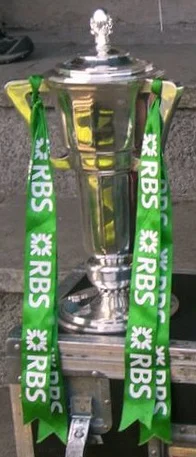
The Six Nations Championship is one of the oldest and most celebrated rugby union competitions in the world. At the heart of this annual tournament lies the Six Nations Trophy, a symbol of excellence, national pride, and sporting achievement. Understanding the trophy's background adds an extra layer of appreciation for every match played across February and March each year.
History of the Six Nations Championship and Its Trophy
The tournament that eventually gave rise to the Six Nations Trophy has deep historical roots. It began as the Home Nations Championship in 1883, contested between England, Ireland, Scotland, and Wales. France joined in 1910 to create the Five Nations Championship, and Italy's inclusion in 2000 marked the birth of the modern Six Nations era.
From Five Nations to Six Nations
With Italy's addition came a significant rebranding of the competition. The trophy itself was introduced to give the championship a more tangible and prestigious identity. Prior to the formal trophy being established, winning teams were recognised primarily through points tables and historical records rather than a physical award of significant ceremonial weight.
The Official Trophy Introduction
The current Six Nations Trophy was first presented in 1993, coinciding with efforts to commercialise and elevate the profile of northern hemisphere rugby. The trophy has since become an iconic image associated with the championship, regularly featured in broadcast coverage, promotional materials, and victory celebrations across participating nations.
Design and Physical Features of the Trophy
The Six Nations Trophy is crafted to reflect the prestige and heritage of the competition. Its design incorporates elements that speak to the unity and competition between the six member nations: England, France, Ireland, Italy, Scotland, and Wales.
Materials and Construction
The trophy is constructed from silver and stands as a substantial piece of silversmithing craftsmanship. It features a classic cup shape with detailed engravings and ornate handles. The base of the trophy includes inscriptions that record the names of winning nations, serving as a permanent historical record of championship victories.
Symbolism Within the Design
Each element of the trophy's design reflects the collective identity of the Six Nations. The engravings and decorative details are intended to represent both individual national identities and the broader spirit of European rugby union. The trophy is deliberately imposing in size, designed to convey the weight of achievement it represents when lifted by a winning captain at the end of the tournament.
How the Trophy Is Won
The Six Nations Trophy is awarded to the nation that finishes top of the championship standings at the end of each edition of the tournament. The competition operates on a league format, with each team playing five matches — one against every other nation — over the course of approximately six weekends.
Points System and Standings
Teams are awarded four points for a win, two points for a draw, and none for a defeat. Bonus points were introduced in 2017 to encourage attacking play: a team earns one bonus point for scoring four or more tries in a match, and another for losing by seven points or fewer. These additions made the race for the Six Nations Trophy more competitive and unpredictable in its final stages.
The Grand Slam and Triple Crown
Within the same competition, two additional honours are contested. The Grand Slam is awarded to any team that wins all five of its matches, representing the ultimate achievement in a single tournament. The Triple Crown is a separate prize contested only among the four home nations — England, Ireland, Scotland, and Wales — going to whichever of these teams defeats the other three. Neither achievement is required to win the Six Nations Trophy itself, but both add prestige to an already celebrated prize.
Record Winners and Notable Achievements
England and Wales are among the most successful nations in the history of the championship, each having claimed numerous titles across both the Five Nations and Six Nations eras. Ireland has seen considerable success in the modern era, particularly during the 2010s and 2020s, winning multiple championships including Grand Slams. France and Scotland have also lifted the trophy across different periods, while Italy continues to develop its standing within the competition.
Most Recent Champions
The competition continues to evolve, with each season producing new moments of drama and national celebration. The Six Nations Trophy remains a fiercely contested prize, motivating players and coaching teams from all six nations throughout the winter rugby calendar. Its presence at the centre of the championship ensures that every match carries direct relevance to who ultimately claims the sport's most prestigious northern hemisphere prize.
Comments