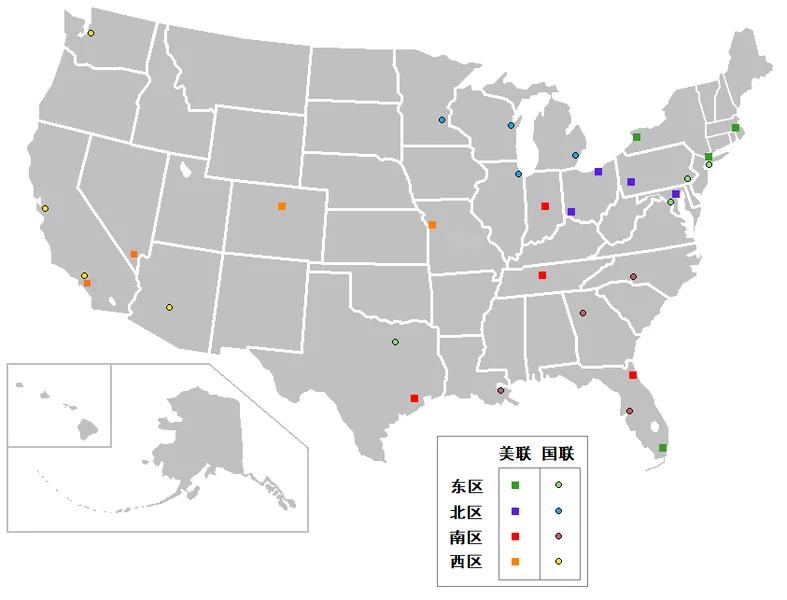
The National Football League, commonly known as the NFL, stands as the most-watched and highest-revenue professional sports league in the United States. With 32 franchises spread across major cities and markets, it draws hundreds of millions of fans each season through television broadcasts, digital platforms, and live attendance.
History and Formation of the NFL
The NFL was founded on August 20, 1920, originally under the name the American Professional Football Association (APFA). It was renamed the National Football League in 1922. In its early decades, the league operated with modest franchises, many of which folded or relocated before the sport gained mainstream popularity.
The Merger That Changed Everything
A pivotal moment in the league's history came in 1970, when the NFL merged with the rival American Football League (AFL). This merger created the modern two-conference structure — the American Football Conference (AFC) and the National Football Conference (NFC) — that still exists today. The merger also set the stage for the Super Bowl to become one of the most-watched annual sporting events in the world.
Growth Through the Television Era
The NFL's rise to cultural dominance is closely tied to its relationship with television. Broadcast deals with major networks like CBS, NBC, Fox, and ESPN helped transform Sunday football into a national tradition. In 2023, the league signed media rights agreements worth an estimated $113 billion over 11 years, reflecting the enduring commercial power of professional football.
Structure and Season Format
The NFL operates on a carefully organized annual calendar that runs from late summer through early February.
Regular Season and Playoffs
Each of the 32 teams plays an 18-week regular season schedule consisting of 17 games, with one bye week. Teams are divided into eight divisions — four in each conference — and compete for playoff berths based on win-loss records and tiebreaker criteria.
Following the regular season, 14 teams qualify for the playoffs: seven from each conference. The postseason is a single-elimination tournament that concludes with the NFC and AFC Championship Games, whose winners advance to the Super Bowl.
The NFL Draft
Each spring, the NFL holds its annual draft, in which teams select eligible college football players in reverse order of the previous season's standings. The draft is a central mechanism for competitive balance, giving lower-performing teams earlier picks to acquire top talent. It has grown into a major media event in its own right, attracting millions of viewers over three days.
Rules and Gameplay
American football is played on a 100-yard field between two teams of 11 players each. The objective is to advance the ball into the opponent's end zone to score a touchdown, worth six points. Teams may also score through field goals (three points) and extra points or two-point conversions following touchdowns.
Key Positions and Roles
The game features highly specialized positions. The quarterback directs the offense and is typically considered the most critical player on the field. Running backs carry the ball on rushing plays, while wide receivers and tight ends catch passes. On the defensive side, positions such as cornerback, linebacker, and defensive end work to stop the opposing offense.
Player Safety and Rule Evolution
In recent years, the NFL has made significant rule changes aimed at improving player safety, particularly regarding head injuries and concussions. Regulations limiting helmet-to-helmet contact, targeting rules, and updated kickoff procedures reflect ongoing efforts to reduce the risk of traumatic brain injury. The league has also invested heavily in research through its Head, Neck and Spine Committee.
Cultural and Economic Impact
The NFL generates over $18 billion in annual revenue, making it the highest-grossing professional sports league globally. Teams like the Dallas Cowboys, New England Patriots, and Los Angeles Rams are valued at several billion dollars each, representing significant financial assets.
The Super Bowl Phenomenon
The Super Bowl, held each February, is consistently one of the most-watched television broadcasts in American history. Beyond the game itself, the event features high-profile halftime performances and commercials that command premium advertising rates — often exceeding $6 million per 30-second spot.
Global Expansion Efforts
The NFL has actively pursued international growth through its International Series, which brings regular-season games to London, Frankfurt, and other cities. The league has expressed long-term interest in establishing a permanent franchise outside the United States, signaling a strategic push toward global audience development.
From its humble origins in 1920 to its current status as a multibillion-dollar entertainment powerhouse, the NFL continues to shape sports culture, media consumption, and economic activity across the country and increasingly around the world.
Comments