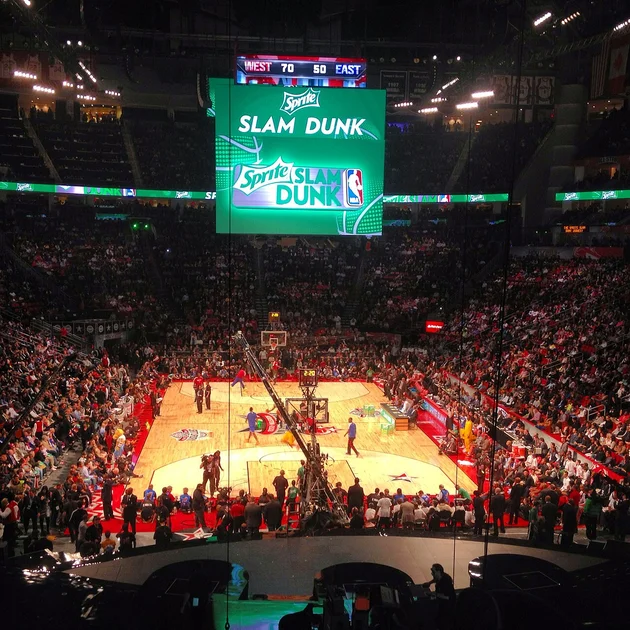
The National Basketball Association, commonly known as the NBA, stands as one of the most recognized professional sports leagues in the world. Founded in 1946, it has grown from a modest American competition into a global entertainment and athletic enterprise watched by hundreds of millions of fans across every continent.
A Brief History of the NBA
The NBA traces its origins to the Basketball Association of America (BAA), which was established on June 6, 1946, in New York City. In 1949, the BAA merged with the National Basketball League (NBL) to form the NBA as it is known today.
Early Decades and Growth
During the 1950s and 1960s, the league began establishing its competitive identity. Teams like the Boston Celtics dominated the era, winning 11 championships in 13 seasons between 1957 and 1969, largely driven by center Bill Russell. The 1970s and 1980s brought a new wave of popularity, particularly with the rise of Magic Johnson and the Los Angeles Lakers versus Larry Bird and the Boston Celtics rivalry, which captivated a national audience and revitalized the league's fanbase.
The Michael Jordan Era and Global Expansion
The 1990s marked a transformative period for the NBA. Michael Jordan and the Chicago Bulls won six championships, turning the league into a global brand. International broadcasts and marketing initiatives brought professional basketball to new markets in Europe, Asia, and Latin America. This era established a blueprint for how a sports league could operate as a worldwide cultural force.
League Structure and Format
The NBA currently comprises 30 teams divided equally between the Eastern Conference and the Western Conference. Each conference is further split into three divisions of five teams each.
Regular Season and Playoffs
The regular season runs from October through April, with each team playing 82 games. Following the regular season, the top eight teams from each conference qualify for the playoffs. The playoff format consists of four rounds of best-of-seven series, culminating in the NBA Finals, where the Eastern and Western Conference champions compete for the Larry O'Brien Championship Trophy.
In recent years, the league introduced the NBA Play-In Tournament, a competition that allows teams finishing between the seventh and tenth spots in each conference to compete for the final two playoff positions. This addition has increased late-season competition and fan engagement.
The Draft and Player Development
The NBA Draft is an annual event through which teams select eligible players, primarily from American college programs and international leagues. The draft lottery system gives teams with poorer records higher probabilities of obtaining top picks, designed to promote competitive balance across the league. The NBA G League, the official minor league, serves as a development platform for players aspiring to reach the professional level.
Iconic Teams and Notable Records
Several franchises have shaped the identity of the NBA through sustained success and cultural relevance.
Championship Dynasties
The Boston Celtics hold the record for the most NBA championships with 17 titles, followed closely by the Los Angeles Lakers with 17 as well (tied as of the most recent count). The Golden State Warriors emerged as a modern dynasty during the 2010s, winning four championships in eight years between 2015 and 2022, introducing a style of play emphasizing three-point shooting and ball movement.
Statistical Milestones
The NBA has been home to numerous record-setting performances. LeBron James became the all-time leading scorer in NBA history in February 2023, surpassing Kareem Abdul-Jabbar's long-standing record of 38,387 points. Wilt Chamberlain's single-game record of 100 points, set in 1962, remains one of the most enduring statistical achievements in professional sports.
The NBA's Global and Economic Influence
The NBA has successfully expanded its reach far beyond North American borders. International players now account for a significant portion of league rosters, with athletes from countries including France, Slovenia, Cameroon, and Australia among the league's biggest stars.
Media Rights and Revenue
The league generates billions of dollars annually through television broadcast agreements, merchandise sales, ticket revenue, and digital streaming partnerships. A landmark media rights deal negotiated in 2024 is expected to bring the NBA approximately $76 billion over 11 years, reflecting the league's enormous commercial value.
Community and Social Initiatives
Beyond the court, the NBA has been active in social and community programs. Initiatives like NBA Cares focus on education, youth development, and health awareness. The league has also engaged with social justice efforts, particularly following widespread activism among players during the 2020 season held in a quarantine bubble in Orlando, Florida.
From its modest postwar origins to its current status as a multibillion-dollar global institution, the NBA continues to evolve as both a competitive athletic league and a cultural touchstone that resonates with audiences worldwide.
Comments