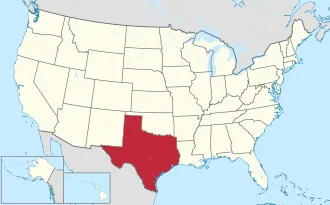
Overview of the Texas 2024 Primary Elections
Texas held its 2024 primary elections on March 5, 2024 — part of the nationally significant Super Tuesday lineup — drawing considerable attention from both major political parties. As one of the largest and most electorally influential states in the country, Texas primaries serve as a critical bellwether for national trends, party dynamics, and the evolving demographics of the American South and Southwest.
Voter turnout was a central story this cycle, with both Republican and Democratic parties experiencing competitive contests at multiple levels of government. The results offered a detailed snapshot of where each party stands ideologically, which factions hold sway, and how candidates are positioning themselves for the general election in November 2024.
Republican Primary: Incumbents, Challengers, and the Trump Factor
Senate and Statewide Races
One of the most closely watched Republican contests was the U.S. Senate race, where incumbent Senator Ted Cruz faced a primary challenge. Cruz, a fixture of Texas conservatism and a national figure in the MAGA movement, sought to fend off criticism from both the right and the center. Cruz secured his place on the November ballot, reflecting continued dominance of Trump-aligned candidates in Texas Republican politics.
Governor Greg Abbott, though not up for reelection in 2024, remained a powerful force shaping the primary landscape. His endorsements carried significant weight across down-ballot races, reinforcing the strength of the conservative establishment in the state.
Congressional Seats
Several U.S. House seats saw competitive primaries on the Republican side. In districts redrawn following the 2020 census, incumbents faced pressure from challengers running on even more conservative platforms. A number of races headed to runoffs, scheduled for May 2024, as no candidate cleared the 50% threshold required under Texas election law.
Notably, districts in the Houston and Dallas-Fort Worth suburbs — areas experiencing demographic shifts — saw incumbents navigating tricky political terrain, balancing the demands of their changing constituencies with the expectations of the statewide Republican base.
Democratic Primary: Building a Competitive Slate
Senate Nominee for the General Election
The Democratic primary for U.S. Senate drew significant interest as the party sought a candidate capable of mounting a serious challenge to Ted Cruz in November. Congressman Colin Allred emerged as the Democratic nominee, having secured a decisive victory in the primary. Allred, a former NFL linebacker and civil rights attorney representing a North Texas district, positioned himself as a pragmatic, electable candidate capable of appealing to suburban moderates — a key demographic in any potential Democratic breakthrough in Texas.
Allred's campaign emphasized healthcare access, reproductive rights following the Supreme Court's 2022 Dobbs decision, and economic opportunity — themes that resonated strongly with Democratic primary voters and were designed to play well in a general electorate.
House and Local Races
Democratic primaries for U.S. House seats largely reflected the party's focus on protecting incumbents in established districts while identifying strong challengers in competitive ones. In South Texas, where Democrats have seen erosion of support among Hispanic voters in recent cycles, primary results indicated an ongoing effort to rebuild coalitions and address local economic concerns.
Several progressive challengers competed against more moderate incumbents, reflecting the broader national tension within the Democratic Party between its progressive and centrist wings.
Key Issues Driving Voter Decisions
Immigration and Border Policy
Immigration remained perhaps the defining issue of the Texas primary cycle. Governor Abbott's aggressive border security initiatives — including Operation Lone Star and the controversial busing of migrants to Democratic-led cities — continued to galvanize Republican voters. Candidates who took hard-line stances on border enforcement generally outperformed those who offered more nuanced positions.
For Democrats, immigration presented a more complex challenge. While opposing what they characterized as political theater, many Democratic candidates also felt pressure to demonstrate seriousness on border management, particularly in heavily Hispanic districts where attitudes toward immigration are varied and nuanced.
Reproductive Rights and the Dobbs Fallout
Texas's near-total abortion ban, enacted following the fall of Roe v. Wade, featured prominently in Democratic messaging throughout the primary. Exit polling and anecdotal evidence from campaign events suggested that reproductive rights were a top motivator for Democratic primary voters, particularly women in suburban areas. Republicans largely defended the state's existing laws, with few candidates calling for significant modifications.
Economic Concerns and Energy Policy
Texas's booming economy — powered significantly by the energy sector, technology, and population growth — shaped candidate messaging on both sides. Republicans highlighted deregulation and energy dominance as economic priorities, while Democrats focused on workforce development, healthcare costs, and housing affordability, issues increasingly pressing as Texas cities grow rapidly.
Runoffs and the Road to November
Because Texas law requires a majority to win a primary, numerous races in both parties proceeded to runoff elections held in May 2024. These runoffs often attract lower turnout but can dramatically shape the general election landscape by determining which candidates — and which ideological factions — ultimately carry the party banner.
Heading into November, Texas remains technically a Republican-leaning state, though Democrats maintain that changing demographics, suburban realignment, and energized voters on issues like abortion rights make 2024 a potentially pivotal year. Whether the detailed primary results translate into a more competitive general election will depend heavily on turnout operations, candidate quality, and the national political environment as Election Day approaches.
Comments