
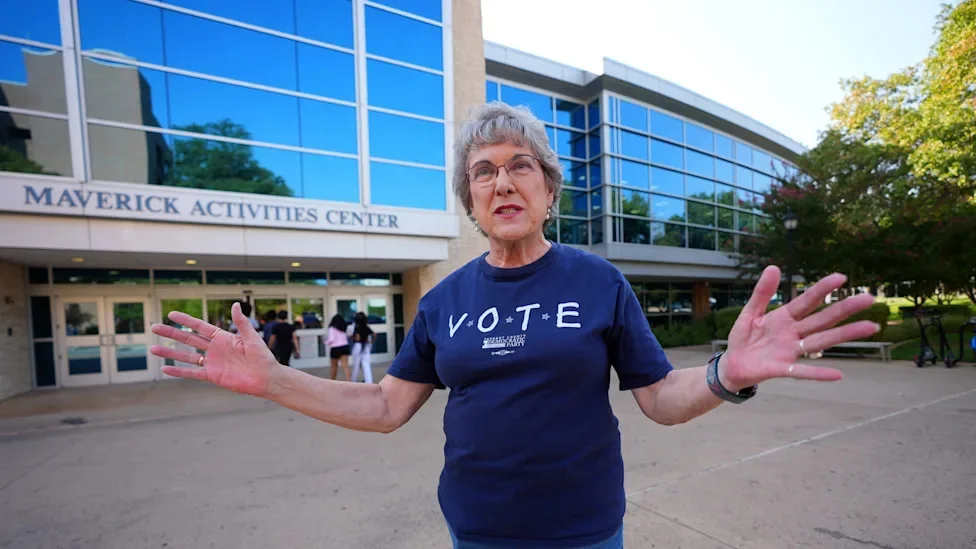
Early Voting Begins Across Texas
Early voting for the 2026 midterm elections began Monday, Oct. 19, across Texas and runs through Friday, Oct. 30, giving voters 12 days to cast ballots ahead of Election Day on Tuesday, Nov. 3. Polls will be open from 7 a.m. to 7 p.m. on Election Day, and voters in line by 7 p.m. will be allowed to vote, according to NBC 5 Dallas-Fort Worth.
The start of early voting marks the final phase of a high-stakes midterm cycle that includes statewide races for governor, lieutenant governor, attorney general, and a U.S. Senate seat, along with congressional, legislative, judicial, and county contests. Voters in North Texas will also decide on several local bonds and propositions, broken down by schools, municipalities, and counties.
Key dates remain for voters: the last day to apply for a ballot by mail is Friday, Oct. 23. Mail-in ballots must be postmarked by Tuesday, Nov. 3, and received by 5 p.m. at the election location on Election Day, though a later deadline of Wednesday, Nov. 4, applies to some military and overseas voters. The voter registration deadline for the midterm was Monday, Oct. 5.
Polling Hours and What to Bring
To vote in person, Texans must present one of seven acceptable forms of photo ID, which can be found at VoteTexas.gov. Voters may bring written or printed materials to the polls but may not use phones, cameras, tablets, laptops, or any other device that can record sound or images at the polling place, ABC13 Houston reported.
Voters can check early voting and Election Day locations through the VoteTexas voter portal. In North Texas, location lists are available for Collin, Dallas, Denton, and Tarrant counties.
Harris County to Operate Fewer Election Day Sites
As early voting opened, new analysis highlighted a significant reduction in Election Day polling locations in Harris County. The county will have 193 fewer Election Day polling sites in the 2026 midterms than in 2022, according to an ABC News analysis cited by ABC13. The analysis found 782 locations across 133 zip codes during the 2022 midterms, compared with 589 this year.
Political expert and lecturer Nancy Sims said the decline reflects changing turnout patterns. "Fewer people are turning up on election day to cast ballots, and they base where" polling sites are placed on that data, Sims said, according to ABC13. The reduction underscores a broader shift toward early and mail voting, but it also raises questions about access for voters who rely on neighborhood polling places on Election Day.
Statewide and Local Races on the Ballot
Among the major statewide contests, the U.S. Senate race features Ken Paxton (R), James Talarico (D), and Ted Brown (L). The governor's race includes Greg Abbott (R), Gina Hinojosa (D), and Pat Dixon (L). In Harris County, the county judge race pits Orlando Sanchez (R) against Letitia Plummer (D), while Fort Bend County Judge features Daniel Wong (R) and Dexter McCoy (D).
Beyond federal and statewide offices, ballots include Texas Senate and House seats, State Board of Education, Texas Supreme Court and Court of Criminal Appeals, district and county courts, and justice of the peace races. Local bonds and propositions vary by jurisdiction.
Why the Early Voting Period Matters
Early voting has become an increasingly important window for Texas voters, particularly in midterm cycles when turnout typically lags presidential years. The 12-day period allows voters to avoid Election Day lines and accommodate work and family schedules. It also gives campaigns a critical stretch to bank votes and adjust get-out-the-vote operations based on early turnout data.
Early voting numbers are typically released shortly after 7 p.m. on Election Day, with day-of ballots counted and updated throughout the night. Results will not be available until after polls close at 7 p.m. on Nov. 3.
The shortened list of Election Day sites in Harris County could amplify the importance of the early window. Voters who wait until Nov. 3 may face longer travel distances or crowded locations, though county officials have not said the changes will reduce overall access. Similar debates over polling place consolidation have played out in other states; in North Carolina, for example, early voting also began recently with hundreds of sites open and same-day registration available.
Stakes and Background
The 2026 midterms are the first national elections since the 2024 presidential cycle and will shape control of Congress and statehouses ahead of the next redistricting cycle. In Texas, the governor's race and U.S. Senate contest have drawn national attention, with candidates crisscrossing the state during the early voting period.
The election also follows a March primary and runoff that finalized party nominees. Voters who cast ballots in those contests will see familiar names alongside local bond questions that could affect property taxes and school funding.
Texas election officials have emphasized that mail ballot applications must be received by Oct. 23, leaving a narrow window for voters who prefer to vote by mail. Military and overseas voters have additional time, with ballots accepted through Nov. 4 if postmarked by Election Day.
Broader Implications
The opening of early voting in Texas is part of a national trend in which a growing share of ballots are cast before Election Day. That shift has prompted counties to reassess where and how many polling places they operate, balancing cost and turnout data against concerns about equitable access.
For voters, the practical effect is that the early voting period now functions as the main event for many. Candidates and parties will be watching daily turnout reports closely, using them to target remaining supporters. The reduced number of Election Day sites in Harris County will be a key metric to watch as officials compare overall participation with 2022.
With 12 days remaining before the early window closes, Texas voters have multiple options to participate. Election officials urge voters to confirm their polling location before heading out, bring an acceptable photo ID, and allow extra time as turnout builds toward the Nov. 3 finish.
Key Dates at a Glance
- Oct. 19: Early voting begins.
- Oct. 23: Last day to apply for a ballot by mail.
- Oct. 30: Early voting ends.
- Nov. 3: Election Day; polls open 7 a.m. to 7 p.m.
- Nov. 4: Deadline for some military and overseas ballots to be received.
Comments