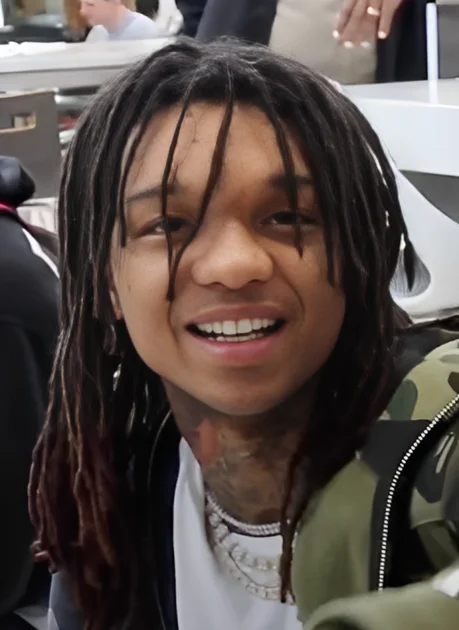
Swae Lee Taken Into Custody at Los Angeles Airport
Rapper Swae Lee, one half of the Grammy-nominated duo Rae Sremmurd, was arrested at Los Angeles International Airport (LAX) in May 2025 on charges related to illegal possession of a firearm. According to law enforcement sources, airport security and police officers detained the artist after a weapon was discovered during a routine screening process at the terminal. The arrest drew immediate attention across social media and entertainment news outlets, with the story trending globally within hours of the initial reports.
Born Khalif Malik Ibn Shaman Brown, Swae Lee rose to mainstream fame through hits like "No Flex Zone," "Black Beatles," and his featured verse on Post Malone's "Sunflower," which became one of the best-selling singles of the 2010s. His arrest marks a significant and unexpected development for an artist who had been maintaining a relatively low profile in recent months while reportedly working on new solo material.
Key Facts Confirmed So Far
Law enforcement confirmed that Swae Lee was stopped at a security checkpoint before boarding a flight. A firearm was allegedly found in his carry-on luggage. He was taken into custody by airport police and subsequently processed. No additional suspects were named in connection with the incident. His legal representatives have not yet issued a comprehensive public statement, though initial reports suggest the defense may argue the oversight was unintentional.
Why This Case Matters Beyond the Headlines
Airport gun charges in the United States are treated with particular seriousness by federal and state authorities. Bringing a firearm — loaded or unloaded — to an airport security checkpoint is a federal offense under Transportation Security Administration (TSA) regulations, and can also constitute a state-level criminal charge depending on the jurisdiction. In California, where LAX is located, gun laws are among the strictest in the country, and violations can carry significant legal consequences including fines, probation, or incarceration.
This is not the first time a high-profile celebrity has faced scrutiny over airport weapons violations. The TSA reported intercepting a record number of firearms at U.S. checkpoints in recent years, with thousands of incidents logged annually, many involving individuals who claim to have forgotten the weapon was in their bag. However, celebrity cases tend to attract disproportionate legal and public scrutiny, often accelerating the judicial process.
The Stakes for Swae Lee's Career
At 31 years old, Swae Lee is at a pivotal point professionally. His solo discography, while critically appreciated, has not matched the commercial heights of his Rae Sremmurd work. A prolonged legal battle could disrupt touring plans, recording schedules, and brand partnerships. Several artists have managed to navigate legal troubles without lasting career damage, but the specifics of any charges laid — and how the case proceeds through the California courts — will be decisive.
The entertainment industry has seen artists face similar crossroads in recent years, and the outcomes have varied widely depending on factors including prior criminal record, quality of legal representation, and public perception management. Swae Lee has generally maintained a positive public image, which could work in his favor as the story develops.
Broader Implications for Celebrity and Airport Security Culture
The arrest of Swae Lee arrives at a moment when the intersection of celebrity culture, legal accountability, and public safety is under heightened scrutiny. High-profile arrests in public spaces like airports amplify existing debates about whether famous individuals receive differential treatment from law enforcement — or, conversely, face greater media pressure than private citizens in similar circumstances.
From a cultural standpoint, incidents involving artists of Swae Lee's stature often prompt wider conversations about the normalization of firearms in hip-hop culture and the real-world consequences that can follow. Industry observers note that the music world has grappled repeatedly with legal entanglements involving artists, with outcomes that sometimes define or redefine careers entirely.
This case will also draw attention to how the entertainment industry manages crisis communications, with artist management teams increasingly expected to respond rapidly and strategically in the social media age. As details continue to emerge, the coming days are likely to be critical in shaping the narrative around one of hip-hop's most recognizable voices.
Comments