
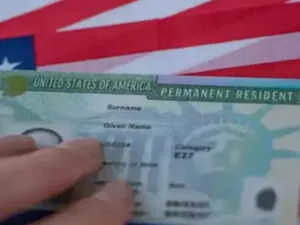
Broad Coalition Challenges Trump's Green Card Restrictions
A coalition of states and local governments filed two lawsuits on Monday, September 14, 2026, seeking to block a Trump administration rule that would deny green cards to immigrants who use or are deemed likely to use public benefits. The suits, filed in Manhattan federal court and elsewhere, target the administration's expanded "public charge" rule, which is scheduled to take effect on Friday, September 18.
New York City is leading one coalition that includes Chicago, San Francisco, Santa Clara County, Seattle, and Washington, DC. New York Attorney General Letitia James is separately leading another legal challenge, according to City Hall. The plaintiffs argue the policy upends decades of legal precedent and could discourage immigrant families from seeking essential food and healthcare assistance.
What the New Rule Would Do
Under the new guidance, federal immigration officers can consider an applicant's receipt of means-tested public benefits—including cash assistance, housing vouchers, food stamps (SNAP), Medicaid, and college financial aid—when deciding whether to grant lawful permanent resident status. For benefits received before September 18, officers will consider only public cash assistance for income maintenance and long-term institutionalization at government expense. For benefits received on or after that date, officers may consider "any and all" such benefits as part of a case-by-case review.
The Trump administration says the change better reflects Congress' intent that immigrants be self-sufficient and not dependent on taxpayer-funded benefits. U.S. Citizenship and Immigration Services (USCIS) notes that the public charge test applies to most people seeking to adjust their status, though refugees, asylees, and certain other humanitarian categories are exempt.
The Legal Battle and Its Stakes
The lawsuits seek to block the Department of Homeland Security and federal leaders from considering an individual's use of benefits in green card applications. The 108-page complaint filed by New York City and its co-plaintiffs argues the administration has gone beyond what Congress authorized, asserting that the term "public charge" has historically applied only to people expected to become primarily dependent on government assistance for basic subsistence, such as cash income assistance or long-term institutional care.
"This rule is cruel and un-American," said Mayor Zohran Mamdani in a statement. "We will not stand by while the federal government tries to weaponize public benefits to tear families apart."
The plaintiffs also warn that the policy could have a chilling effect, discouraging immigrant families—including those with U.S.-born children—from enrolling in programs for which they are eligible. Many immigrants are already ineligible for social safety net programs, and even green card holders often face years-long waiting periods before they can legally claim benefits.
A Pattern of Immigration Crackdowns
This is not the first time the administration has taken steps to limit avenues for immigration. The White House previously attempted to impose a $100,000 H-1B visa fee for employers, which was blocked by an appeals court. Companies like Meta, Google, and Amazon have slashed H-1B petitions amid the crackdown. Economists have pointed to declining immigration as a factor in declining labor force participation this year.
The public charge rule is part of a broader effort to reshape legal immigration. The administration has argued that self-sufficiency should be a core principle of immigration policy, but critics say the rule is designed to reduce legal immigration by targeting low-income families and communities of color.
Context: Why This Matters
The outcome of these lawsuits could have far-reaching consequences for immigrant communities and the social safety net. If the rule takes effect, millions of immigrants could face a difficult choice: forgo needed benefits or risk their chances of obtaining a green card. This could lead to increased food insecurity, untreated medical conditions, and broader public health risks.
The suits also represent a major test of the limits of executive authority over immigration. By expanding the definition of "public charge," the administration is attempting to reinterpret a long-standing provision of immigration law. The plaintiffs argue that only Congress can make such a significant change.
Historical Precedent
The public charge concept dates back to the 1880s, but it has traditionally been applied narrowly. The Trump administration's 2019 public charge rule was blocked by courts and later rescinded by the Biden administration. The current rule is even broader, applying to a wider range of benefits and giving officers more discretion.
Immigrant advocacy groups have praised the lawsuits. "This is a critical step to protect immigrant families and ensure that public health and nutrition programs remain accessible to all who are eligible," said a spokesperson for the National Immigration Law Center.
Perspectives: Broader Implications
The legal challenges come amid a heated national debate over immigration policy. The administration has made reducing both legal and illegal immigration a centerpiece of its agenda, and the public charge rule is one of its most significant attempts to do so through executive action.
If the courts block the rule, it would be a major defeat for the administration and a victory for immigrant rights groups and Democratic-led states and cities. If the rule survives, it could reshape the demographics of legal immigration for years to come, potentially reducing the number of low-income immigrants and altering the composition of the workforce.
Economic and Social Impact
Economists warn that the rule could have negative economic effects. Immigrants make up a significant portion of the workforce in key sectors such as agriculture, healthcare, and technology. Reducing legal immigration could exacerbate labor shortages and slow economic growth. The decline in labor force participation this year has already been partially attributed to reduced immigration.
Moreover, the rule could lead to worse health outcomes for immigrant families and their U.S.-born children, who may be eligible for benefits but whose parents fear using them. This could increase emergency room visits and public health costs in the long run.
Political Fallout
The lawsuits also carry political implications. Mayor Mamdani and Attorney General James are prominent Democratic figures, and their leadership on this issue could energize their base. The case may become a rallying point for Democrats heading into the midterm elections, highlighting the contrast between the parties on immigration.
Conversely, the administration and its allies argue that the rule is necessary to protect taxpayer dollars and ensure that immigrants are self-sufficient. They point to polls showing public support for limiting benefits to immigrants.
What's Next
The lawsuits are expected to be heard in the coming days, with the rule set to take effect on September 18. A judge could issue a temporary restraining order or preliminary injunction to block the rule while the cases proceed. If the rule goes into effect, it could cause immediate confusion and fear among immigrant communities.
USCIS has said it will consider only cash assistance for income maintenance and long-term institutionalization for benefits received before September 18, but after that, officers will consider all means-tested benefits. This creates a narrow window for immigrants to seek benefits before the rule takes effect.
Potential for Supreme Court Review
Given the stakes, the case is likely to be appealed and could ultimately reach the Supreme Court. The Court's conservative majority has been skeptical of expansive executive authority in some cases but has also upheld Trump-era immigration restrictions. The outcome is uncertain.
In the meantime, states and cities are preparing to assist affected residents. New York City has announced a public awareness campaign to inform immigrants about their rights and the legal challenges. Other cities are expected to follow suit.
The legal battle over the public charge rule is just one front in a larger war over immigration policy. As the administration continues to pursue its agenda, more lawsuits are likely. The outcome of this case will set an important precedent for how far the executive branch can go in reshaping immigration law without Congress.
Comments