
State Pension Forecast Check: 7 Million Brits in the Dark as Payments Set to Top £13,000
Almost seven million people in the UK have never checked their state pension forecast, according to new HMRC data released during Pension Awareness Week. The revelation comes as the full new state pension is expected to rise above £13,000 a year for the first time, following the latest wage growth figures.
The government data shows that one in eight adults has never reviewed their state pension record, with those aged 45 to 54 the least likely to have done so. The most common reasons cited for not checking include believing retirement is too far away (26%) and worrying about losing track of previous workplace pensions (24%). A further 9.5% said they did not know how to check their forecast.
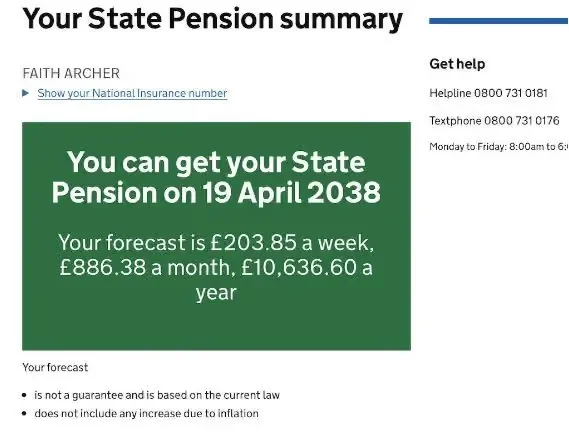
HM Revenue & Customs emphasised that checking forecasts online via the gov.uk website or the HMRC app takes just minutes and allows people to identify and address gaps in their National Insurance contributions. Myrtle Lloyd, HMRC’s chief customer officer, said: “It’s never too early, or too late, to check your state pension forecast. Checking your forecast on the HMRC app takes just a few minutes but can make a real difference to how prepared you feel for the future.”
Full State Pension to Surpass £13,000
The urgency of checking forecasts has been heightened by official figures published on Tuesday showing that average UK wages rose by 3.9% in the three months to July. Under the triple lock, the state pension will rise by whichever is highest out of inflation, average earnings growth, or 2.5%. This means the full, flat-rate state pension – for those who reached state pension age after April 2016 – is expected to increase to £250.70 a week, or £13,036.40 a year, from next April. That represents an increase of £488 a year.
For the two-thirds of pensioners who reached qualifying age before April 2016 and receive the old basic state pension, the uplift will mean a rise to £192.10 a week, or £9,989.20 a year – an increase of £374.40.
The expected rise above £13,000 has reignited debate about the long-term affordability of the triple lock and its fairness across generations. State pension spending is already £154bn this year, and forecasts suggest it could increase by a further £600m a year by 2029-30. Ruth Curtice, chief executive of the Resolution Foundation think tank, told the BBC that the policy is “crazy” and creates a “ratchet effect” where “pensioners’ living standards grow even faster than just a typical worker.” She added: “Pensioners have seen living standards grow three times more than typical workers over the last 20 years.”
Jonathan Cribb, deputy director of the Institute for Fiscal Studies, said: “Each increase in spending builds upon the last and so the long-run cost is substantial but very uncertain.”
Tax Fears Addressed as Pension Exceeds Personal Allowance
The projected £13,000 state pension exceeds the tax-free personal allowance, which has been frozen at £12,570 until 2031. This had raised concerns that retirees with no other income would be liable for income tax on their state pension for the first time. However, Downing Street has moved to reassure pensioners that those with no other income will not pay tax on the new full state pension.
Pensions minister Torsten Bell said: “In line with the commitment made at budget 2025, pensioners who only just exceed the personal allowance will not have the administrative burden of paying small amounts of tax in this parliament.” The chancellor, John Healey, is expected to set out further details in next month’s budget.
The government’s promise aims to head off a political backlash, but it adds to the challenges facing the chancellor as he balances public finances. The triple lock was introduced by George Osborne in 2011 and has been maintained by successive governments, with Labour pledging to keep it until 2029. However, economists and think tanks have increasingly questioned its sustainability, especially as the state pension age rises to 67 and pressure grows to refocus support on younger generations.
The Importance of Checking Your Forecast
Against this backdrop, HMRC and personal finance experts are urging workers of all ages to check their state pension forecast. The forecast not only shows how much each person is on track to receive but also highlights any gaps in their National Insurance record. These gaps can occur during periods of unemployment, low earnings, or time spent abroad, and can reduce the eventual pension amount. In some cases, individuals can fill gaps by making voluntary National Insurance contributions or by claiming credits.
George Sweeney, personal finance expert at comparison site Finder, said: “With nearly 7 million adults, including a worrying number of 45-to-54-year-olds, completely in the dark about their state pension, millions risk facing unwanted financial surprises later in life. Delaying making a plan because retirement feels 'too far away' or 'too complicated' is understandable, but checking where you stand takes just minutes.”
Checking forecasts is particularly important for those who have multiple workplace pensions or who have taken career breaks. The HMRC app and gov.uk website provide a free and straightforward way to view one’s state pension forecast and National Insurance record. Users can also see their State Pension age and how many qualifying years they have.
Broader Implications for Retirement Planning
The low uptake of forecast checks points to a wider issue of retirement unpreparedness. With the full state pension set to exceed £13,000, many may assume they will automatically receive that amount, but entitlement depends on National Insurance records. Those with gaps may receive less than the full amount. As the cost of living remains a concern for many pensioners, ensuring maximum entitlement is crucial.
The triple lock debate also highlights intergenerational tensions. While pensioner groups argue that many older people still face poverty and high energy bills, critics say the policy is unsustainable and unfair to younger workers who are not guaranteed the same level of support. The Resolution Foundation and IFS have both warned about the long-term costs, but the government has committed to the triple lock until at least 2029.
For now, the immediate action for individuals is clear: check your state pension forecast. As Myrtle Lloyd says, “Whether retirement is decades away or just around the corner, I’d encourage everyone to check their forecast and see if there’s anything they can do now to boost their entitlement later.”
With the state pension poised to break the £13,000 barrier, understanding your position has never been more important. The check takes minutes but can make a real difference to financial security in later life.
Comments