
$90 Social Security Deposits Hit Bank Accounts
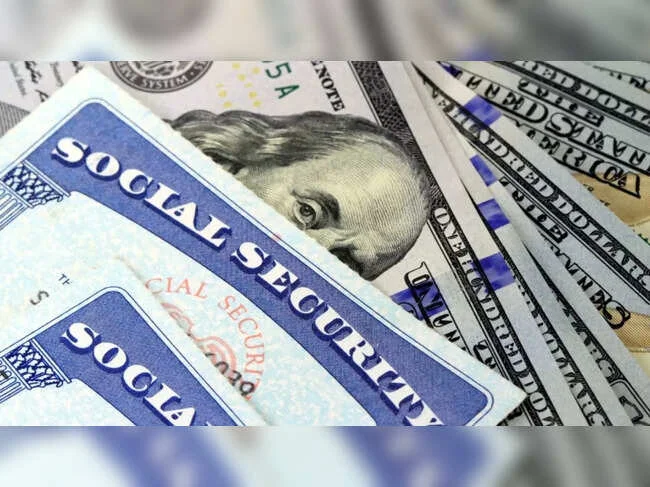
Millions of Medicare beneficiaries began receiving $90 direct deposits from the Social Security Administration this week, a one-time payment tied to a Trump administration initiative aimed at offsetting rising healthcare costs for older Americans. The deposits, which began arriving on or around October 8, have prompted confusion and questions from seniors who noticed the unexpected funds in their accounts. The payment is not a standard Social Security benefit but rather a premium rebate funded through the Medicare Improvement Fund.
The initiative, announced by President Trump on October 2, directs the money to approximately 20.8 million Medicare Part B enrollees. According to the Centers for Medicare & Medicaid Services (CMS), most eligible beneficiaries receive the funds via direct deposit, while those without banking information on file will receive a paper check from the U.S. Department of the Treasury later in October. The checks will include a message referencing the Medicare Improvement Fund Premium Rebate. No application is required to receive the payment.
Who qualifies for the $90 payment?
Eligibility is limited to seniors enrolled in traditional Medicare Part B who meet specific criteria. According to CMS, beneficiaries must be living in the United States, must not receive premium assistance from Medicaid, and must not be higher earners who pay an income-related surcharge on their Part B premiums. Additionally, beneficiaries enrolled in Medicare Advantage plans—the private-plan alternative to traditional Medicare—are not eligible for the payments, even if they pay a Part B premium.
The exclusion of Medicare Advantage enrollees leaves a significant portion of Medicare's 62.9 million Part B participants without the payment. Roughly 40 million beneficiaries, or about two-thirds of total Part B enrollees, will not receive the $90. The largest excluded group is the 35.2 million people enrolled in Medicare Advantage plans. Higher-income beneficiaries who pay income-related premium adjustments are also excluded, a decision CMS and outside experts say is based on the assumption that those individuals have greater financial capacity to absorb rising healthcare costs.
"People who are paying the income-related premium have higher incomes to begin with, so the thinking is that they may be better able to absorb higher costs and wouldn't benefit as much from the $90 payment as people with lower incomes," Juliette Cubanski, vice president and director of the Program on Medicare Policy at KFF, told CBS News.
How will the money be delivered?
Most eligible beneficiaries will receive the $90 rebate through direct deposit from the Social Security Administration on or around October 8. Some seniors reported receiving the payments or pending deposits earlier in the week, according to social media reports. For those without direct deposit, paper checks will be mailed later in October. Beneficiaries with questions about eligibility can call 1-800-MEDICARE, while payment status inquiries can be directed to the Social Security Administration at 1-800-772-1213 beginning October 15.
The Medicare Improvement Fund and Its Political Origins
The $90 payments are funded by the Medicare Improvement Fund, a $2 billion reserve established by Congress in 2008 to support improvements to the original Medicare fee-for-service program. Until now, the fund had never been used. The Trump administration's decision to tap it represents a novel use of the reserve, one that administration officials frame as a way to put "healthcare dollars back where they belong – in the hands of our Medicare beneficiaries."
The initiative comes amid broader political attention to healthcare affordability. President Trump announced the payments on October 2, describing them as "premium rebates" intended to help enrollees pay for their Medicare Part B premiums. The announcement follows a pattern of direct-to-citizen payments favored by the administration, including the recently celebrated automatic enrollment of 70 million Trump Accounts for children. The $90 rebate, while modest, serves as a tangible benefit that the administration can point to as it addresses voter concerns about the cost of living.
Why the payment matters to seniors
The $90 payment arrives at a time when Medicare Part B premiums are rising sharply. The standard monthly premium for Part B in 2026 is $202.90, up from $185 in 2025—an increase of more than $200 annually. According to the Medicare trustees' most recent annual report, premiums are projected to rise by nearly $80 more in 2027, reaching $209.50 per month. For many seniors on fixed incomes, these increases represent a significant financial strain.
KFF polling shows that Americans of all ages cite rising healthcare costs as a top financial concern. While the $90 rebate covers roughly 44% of one month's standard Part B premium, experts warn it does not permanently lower beneficiaries' costs. Cubanski noted that the expected $79 increase in annual Part B premiums for 2027 would consume "most of the $90 payment." The one-time nature of the rebate means it offers temporary relief rather than a structural fix.
The fund's depletion and long-term questions
The Medicare Improvement Fund, which had remained untouched for nearly two decades, will be drained by the measure, according to KFF. That raises questions about the long-term implications of using the reserve for direct payments rather than for program improvements. The fund was originally designed to support the traditional fee-for-service Medicare program, not to provide one-time rebates to beneficiaries. Critics argue that using the fund in this manner sets a precedent for future administrations to tap reserves for short-term political gains.
A Divided Medicare Landscape
The rollout of the $90 payments has highlighted a deepening divide within the Medicare program. Traditional Medicare, which covers doctor visits, outpatient care, and preventive screenings under Part B, serves a population that is generally older and more likely to have complex medical needs. Medicare Advantage plans, run by private insurance companies, now cover more than half of all Medicare beneficiaries—about 35.2 million people. These enrollees are excluded from the rebate.
The exclusion has sparked frustration among Medicare Advantage beneficiaries, many of whom also pay Part B premiums. CMS has not provided a detailed rationale for excluding Medicare Advantage enrollees beyond noting that the rebate is tied to traditional Medicare Part B. Juliette Cubanski told CBS News that Medicare Advantage "isn't the same as traditional Medicare, which is likely why those enrollees don't qualify for the payments." However, the distinction may be cold comfort for seniors who chose Medicare Advantage plans for their extra benefits, such as dental, vision, and hearing coverage, only to find themselves left out of a widely publicized payment.
Who misses out and why
The 40 million beneficiaries not receiving the payment fall into several categories. The largest group is Medicare Advantage enrollees. Higher-income beneficiaries who pay income-related monthly adjustment amounts are also excluded, as are those who receive premium assistance through Medicaid or state Medicare Savings Programs. Beneficiaries living outside the United States are ineligible as well.
The result is that the $90 rebate reaches about one-third of Medicare Part B enrollees, a targeted approach that administration officials say directs relief to those who need it most. Yet the exclusions mean that millions of seniors with modest incomes—particularly those in Medicare Advantage plans with low premiums but high out-of-pocket costs—will see no benefit from the initiative.
Broader Implications for Healthcare Policy
The $90 payment is the latest in a series of federal efforts to address healthcare affordability through direct financial assistance. But experts caution that one-time payments do little to address the underlying drivers of rising Medicare costs, including increasing utilization, expensive new drugs, and an aging population. The Medicare trustees project that Part B premiums will continue to climb in the coming years, outpacing both inflation and Social Security cost-of-living adjustments.
For seniors, the $90 deposit may provide momentary relief, but it also serves as a reminder of the financial pressures facing Medicare. As the program's costs continue to rise, policymakers will face difficult choices about how to fund it without shifting additional burdens onto beneficiaries. The use of the Medicare Improvement Fund for this rebate has drained a reserve that could have been used for programmatic improvements, and it remains to be seen whether the one-time payment will be followed by more permanent solutions.
In the meantime, seniors who received the deposit should be aware that it is not taxable and does not affect their Social Security benefits. Those who believe they qualify but did not receive the payment can contact the Social Security Administration beginning October 15. For the 40 million who do not qualify, the $90 payment is a reminder of the segmented nature of Medicare—and the ongoing challenge of making healthcare affordable for all older Americans.
Comments