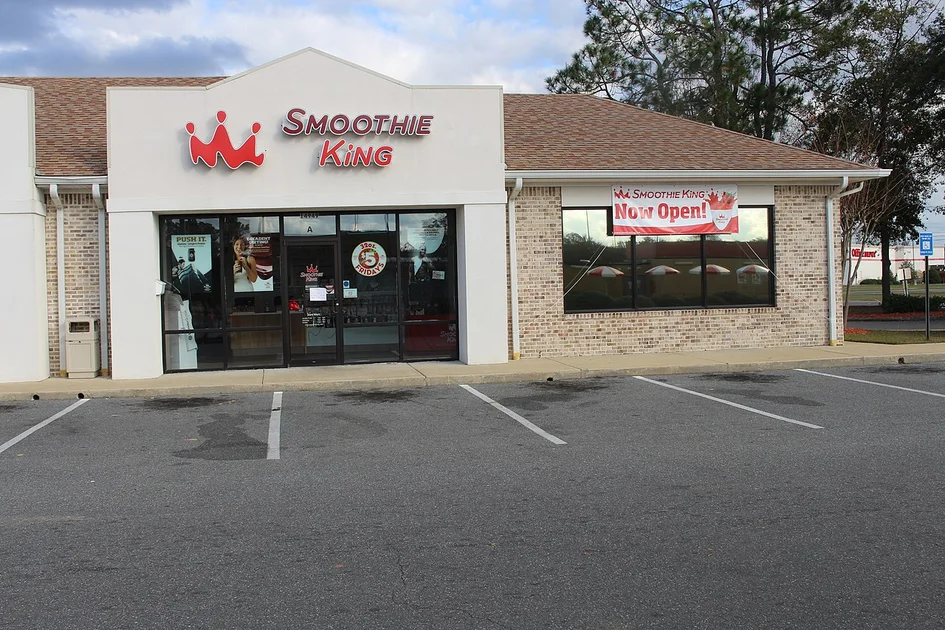
The History and Growth of Smoothie King
Smoothie King has established itself as one of the most recognized names in the blended beverage industry. Founded in 1973 by Steve Kuhnau in Kenner, Louisiana, the brand began as a small health food store where Kuhnau experimented with blended drinks to address his own food allergies and nutritional needs. What started as a personal health journey eventually evolved into a franchise concept that has grown to include more than 1,400 locations across the United States and internationally.
From Local Shop to National Franchise
Kuhnau franchised the Smoothie King concept in 1989, enabling rapid expansion throughout the southern United States before spreading nationally. In 2012, South Korean company Smoothie King Franchises, Inc. acquired the brand, bringing fresh investment and a renewed focus on menu innovation and store modernization. This acquisition helped accelerate international growth, particularly across Asia.
The brand gained significant visibility in 2014 when it secured the naming rights to the arena in New Orleans, Louisiana, now officially known as Smoothie King Center — home to the NBA's New Orleans Pelicans.
Menu Offerings and Nutritional Philosophy
Smoothie King differentiates itself from typical juice bars by positioning its products as purposeful blends designed to meet specific health and lifestyle goals. The menu is organized around distinct categories that cater to a wide range of customer needs.
Purpose-Driven Smoothie Categories
The chain organizes its smoothies into several core categories:
- Fitness Blends: Designed for those focused on muscle building and workout recovery, these smoothies often feature protein-rich ingredients such as whey protein, peanut butter, and bananas.
- Slim Blends: Targeted toward weight management, these options are lower in calories and often incorporate fiber-rich fruits and vegetables.
- Wellness Blends: Formulated to support immunity and overall health, these smoothies may include ingredients like ginger, spinach, kale, and vitamin-rich fruits.
- Manage Weight Blends: Similar to slim blends but specifically structured around calorie-controlled meal replacement options.
- Kids Blends: Smaller, fruit-forward smoothies made with ingredients appropriate for younger consumers.
Ingredients and Customization
Smoothie King allows customers to customize their orders with a variety of add-ins, including protein powders, fiber supplements, vitamins, and natural enhancers like chia seeds or flaxseed. The company has made ongoing commitments to clean ingredient standards, eliminating artificial colors, flavors, and preservatives from many of its core recipes. The brand has also expanded its plant-based offerings to accommodate vegan and dairy-free dietary preferences.
All smoothies are made to order, which means customers can request modifications to suit their nutritional goals, allergies, or taste preferences. Online ordering and a mobile app make it easy for regulars to save favorite orders and track nutritional information.
Business Model and Franchising Structure
Smoothie King operates primarily through a franchise model, which has been a key driver of its extensive geographic reach. Franchisees receive training, operational support, and access to the company's established supply chain and marketing resources.
Franchise Opportunities and Requirements
Prospective franchise owners are expected to meet specific financial requirements, including a minimum net worth and liquid assets threshold. Initial investment costs vary depending on location size and region, but typically range from several hundred thousand dollars to over one million dollars when accounting for build-out, equipment, and franchise fees.
The company provides franchisees with a proven business model, site selection assistance, and ongoing operational guidance. This structured support system has contributed to relatively consistent brand standards across all locations.
Technology and Digital Innovation
In recent years, Smoothie King has invested in digital infrastructure to enhance the customer experience. The Smoothie King mobile app supports mobile ordering, loyalty rewards through its "Healthy Rewards" program, and personalized smoothie recommendations. These digital tools have helped the brand connect with health-conscious consumers who increasingly rely on mobile platforms for food and beverage decisions.
Smoothie King's Role in the Health and Wellness Industry
The broader health and wellness market has experienced significant growth over the past decade, and Smoothie King has positioned itself to benefit from this trend. As consumers become more conscious of what they eat and drink, demand for nutrient-rich, convenient food options continues to rise.
The brand competes in a market that includes both regional smoothie bars and national chains, as well as grocery store smoothie sections and at-home blender trends. Despite this competition, Smoothie King's combination of brand recognition, a structured menu with clear health goals, and widespread franchise presence has allowed it to maintain a strong market position.
Through community partnerships, sports sponsorships, and a continued focus on ingredient transparency, Smoothie King continues to align itself with the values of health-focused consumers across a broad demographic spectrum.
Comments