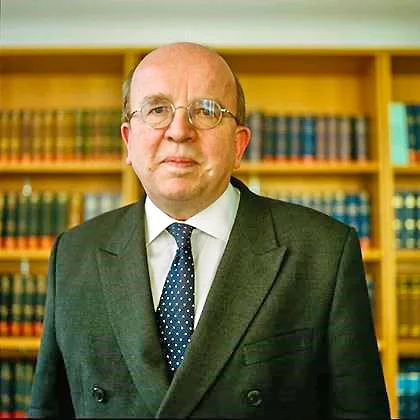
Who Is Sir Robin Wales?
Sir Robin Wales is a British Labour politician best known for serving as the elected Mayor of the London Borough of Newham for over a decade. Born and raised with strong ties to the Labour movement, Wales became one of the most prominent figures in local government in East London. His political journey reflects the broader transformation of urban governance in the United Kingdom during the early twenty-first century.
Early Life and Political Beginnings
Robin Wales began his political career through local council work, gradually building influence within Newham's Labour Party. He was first elected to the London Borough of Newham council and over time established himself as a key figure in local governance. His dedication to community development and urban regeneration earned him both supporters and critics throughout his tenure. He was later awarded a knighthood for his services to local government, which is reflected in the honorary title Sir Robin Wales.
Mayoral Career in Newham
Sir Robin Wales served as the directly elected Mayor of Newham from 2002 until 2018, making him one of the longest-serving elected mayors in London's history. The position of directly elected mayor, introduced under the Local Government Act 2000, gave him considerable executive power to drive policy and regeneration initiatives across the borough.
Key Achievements During His Tenure
During his time as Mayor, Sir Robin Wales oversaw significant changes in Newham, a borough that had long been among the most deprived in England. Several notable developments occurred under his leadership:
- Olympic Legacy Planning: Newham was the host borough for the 2012 London Olympic and Paralympic Games. Wales played a central role in ensuring that the Games delivered lasting benefits to local residents, including improved infrastructure, housing, and employment opportunities.
- Housing and Regeneration: Wales championed large-scale housing developments and urban regeneration projects aimed at transforming areas like Stratford, which evolved into a major commercial and residential hub.
- Education and Employment Initiatives: Under his leadership, the council invested in local schools and skills programmes designed to improve opportunities for Newham's diverse and growing population.
- Population Growth Management: Newham experienced rapid population growth during this period, and Wales oversaw considerable investment in public services to accommodate this expansion.
Policies and Controversies
Sir Robin Wales was not without controversy. His approach to governance was frequently described as strong and centralised, with critics suggesting that his leadership style could be uncompromising. Some community groups raised concerns about the pace and nature of regeneration, arguing that long-term residents faced displacement due to rising housing costs and changing demographics. His tenure also attracted scrutiny over the management of council resources and the transparency of decision-making processes. Despite these criticisms, supporters maintained that his drive helped deliver measurable improvements in living standards and infrastructure across the borough.
The 2018 Mayoral Election and Departure from Office
The 2018 Newham mayoral election marked a turning point. Sir Robin Wales faced a challenge from Rokhsana Fiaz, a fellow Labour politician who campaigned on a platform of greater community engagement, transparency, and a more collaborative approach to governance. Fiaz secured the Labour Party nomination through a trigger ballot process, effectively ending Wales's opportunity to stand as the Labour candidate.
Significance of the Leadership Change
The transition from Sir Robin Wales to Rokhsana Fiaz was widely regarded as significant in the context of London local politics. It highlighted growing demand within the Labour Party for more inclusive and participatory forms of local governance. The change of leadership reflected broader conversations about how urban boroughs should balance rapid development with the needs and voices of existing communities.
Fiaz went on to win the mayoral election in May 2018, bringing Sir Robin Wales's 16-year tenure to a close. His departure prompted reflections from various quarters on both the achievements and the shortcomings of his administration.
Legacy and Continued Relevance
Sir Robin Wales left behind a borough substantially transformed from the one he inherited in 2002. Newham's skyline, infrastructure, and economic profile changed dramatically during his years in office, influenced in no small part by the catalytic effect of the 2012 Olympics. His knighthood recognised his long service to public life, even as debates continue about the full social impact of the policies pursued under his leadership.
For students of British local government and urban policy, Sir Robin Wales remains a significant figure — an example of how a long-serving elected mayor can shape the trajectory of a major urban area, and equally, how shifts in political expectations can bring even established figures to the end of their time in office. His career continues to be studied as part of discussions about mayoral governance, regeneration ethics, and political accountability in London.
Comments