
A Welcome Gesture: Stewart Steps Aside for Lawrence
When the Cincinnati Bengals acquired three-time Pro Bowl defensive tackle Dexter Lawrence from the New York Giants, the football world immediately focused on the trade's price tag — a first-round pick in the 2026 NFL Draft. But within days, a quieter story emerged that spoke just as loudly about the culture taking shape in Cincinnati: second-year edge rusher Shemar Stewart voluntarily gave up his No. 97 jersey so that Lawrence could keep the number he had worn throughout his entire seven-season NFL career.
The Bengals officially confirmed the new jersey assignments on April 21, 2026. Stewart, the team's first-round pick in the 2025 NFL Draft, will now wear No. 94. Lawrence takes No. 97, the same number he made famous during his tenure with the Giants and the one he made clear he wanted from the moment he arrived in Cincinnati.
Lawrence Made His Wishes Known Immediately
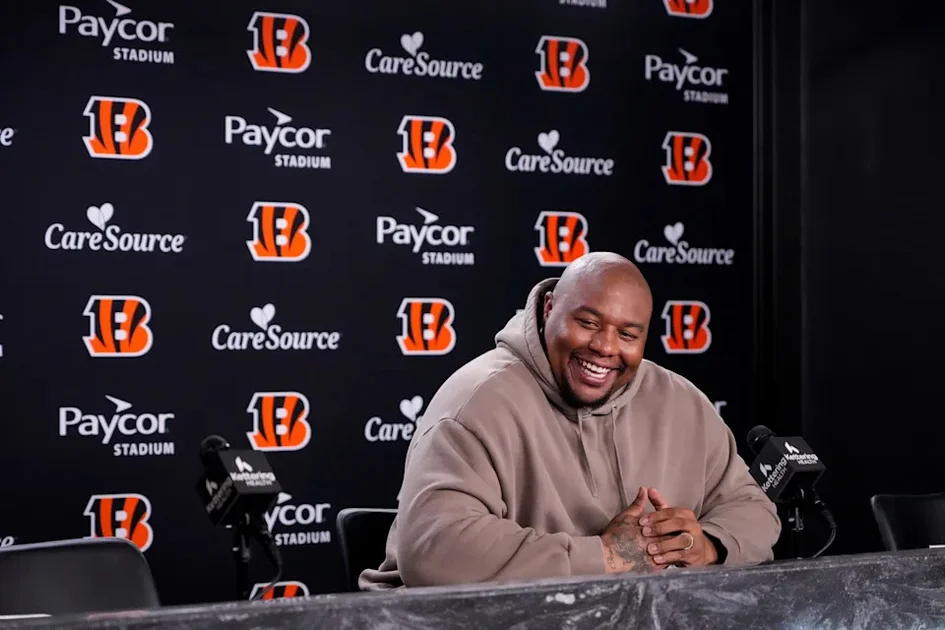
At his introductory press conference on April 20, Lawrence was candid about his intentions. "I want to get it," he told reporters. "I know Stewart had it last year, or has it right now, but I'm going to speak to him and see what he wants to do." The conversation, it seems, did not take long. Within 24 hours, the number swap was settled and the Bengals' official roster update made it permanent.
Whether any financial arrangement accompanied the gesture remains unclear. The Bengals did not disclose the terms of the exchange, and neither player has commented publicly on whether money changed hands. It would not be unprecedented — in 2005, Washington running back Clinton Portis famously paid for a jersey number, a transaction that later ended in a lawsuit — but the tone surrounding the Lawrence-Stewart swap has been notably amicable.
Why This Matters Beyond a Jersey Number
A Second-Year Player Buying Into the Big Picture
Stewart's willingness to move numbers is a small but meaningful signal about where his head is at entering his sophomore season. At 22 years old, the former Texas A&M standout is still developing as a professional pass rusher. Having Lawrence — one of the most disruptive interior linemen of the past decade — lining up beside him is widely seen as an opportunity, not a threat.
As analysts have noted, a nose tackle capable of commanding double teams and collapsing the pocket from the inside is precisely the kind of teammate that can unlock a young edge rusher's statistical potential. Stewart recorded a modest but promising debut season in 2025. With Lawrence drawing attention from offensive linemen, Stewart's path to the quarterback figures to open up considerably in 2026.
A Bengals Defense in Transition
The jersey reshuffling extends well beyond Stewart and Lawrence. Cincinnati's defensive roster has been significantly overhauled this offseason. Jonathan Allen, another veteran defensive tackle, joined the unit and kept his signature No. 93. Safety Kyle Dugger arrived from Pittsburgh wearing No. 29. Edge rusher Boye Mafe, fresh off a Super Bowl win with the Seattle Seahawks, brings No. 53. The additions represent a deliberate effort to build a more physically imposing and experienced defensive front.
The Bengals also made minor history in the process. Cornerback DJ Turner II became the first player in the franchise's 59-year history to wear No. 0, a number the NFL only approved for use in 2023. Safety Bryan Cook, meanwhile, kept his No. 6 from his time with the Kansas City Chiefs — a single-digit number that Cincinnati had previously reserved for non-defensive players.
The Broader Picture: Veteran Integration and Team Chemistry
The Lawrence-Stewart jersey exchange, understated as it may be, reflects a broader dynamic playing out across NFL rosters each spring. As teams bring in high-profile veterans, the question of how younger players respond often sets the tone for an entire season. Resentment over playing time, roles, or even jersey numbers can fracture locker rooms before training camp begins. Cooperation, on the other hand, can accelerate team cohesion.
In this case, Stewart's gesture drew quiet praise from observers around the league. At an age when many young players are still establishing their professional identities, he demonstrated a level of self-assurance that suggests he is not threatened by the arrival of a decorated veteran. Lawrence, for his part, reportedly earned a $10 million roster bonus as part of his one-year extension with the Bengals — underscoring just how significant an investment Cincinnati has made in reshaping its interior defense.
The Bengals enter 2026 under significant expectations. Trading a first-round pick for Lawrence signals an organization that believes its championship window is open right now. Whether that gamble pays off will depend on how quickly this revamped defensive unit gels — and small moments of collaboration, like a 22-year-old willingly swapping jersey numbers to welcome a veteran, are the kind of details that quietly shape winning cultures.
For fans tracking the NFL's evolving defensive landscape, Cincinnati's offseason moves represent one of the more aggressive roster transformations of the cycle. Stewart's number change is a footnote in that story — but sometimes, footnotes say the most.
Comments