Shakira Commands Global Attention Once Again in April 2026
Shakira is once again at the center of the global entertainment conversation this April, as the Colombian pop icon continues to ride an extraordinary wave of momentum that shows no signs of slowing. With new musical projects circulating across streaming platforms, a world tour generating massive ticket demand, and her personal narrative captivating audiences across continents, the 49-year-old artist has firmly reestablished herself as one of the most compelling figures in contemporary music.
Reports emerging in mid-April 2026 confirm that Shakira's latest musical releases have topped charts in multiple countries simultaneously, a feat that few artists in their third decade of superstardom manage to achieve. Her ability to blend Latin rhythms with contemporary pop production, combined with lyrics that often draw from deeply personal experience, has resonated with both longtime fans and a new generation of listeners discovering her catalog for the first time.
New Music and Tour Announcements Fuel the Buzz
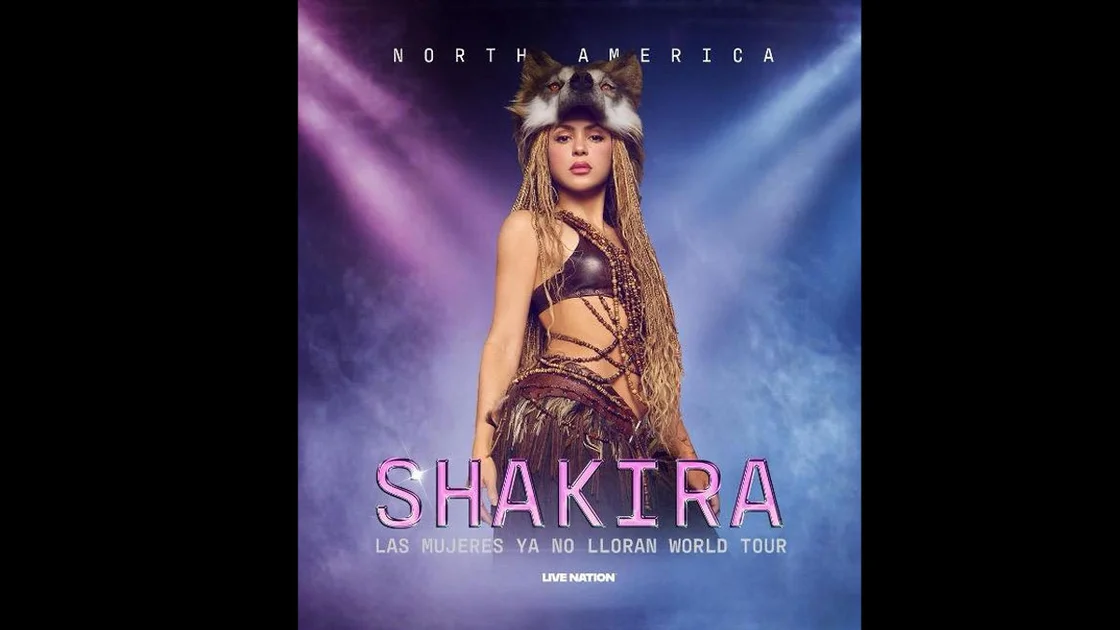
The buzz surrounding Shakira this week is fueled in part by the announcement of additional tour dates across North America, Europe, and Latin America, following a surge in demand that caused earlier ticketing windows to sell out within hours. The tour, which has been described by industry observers as one of the most ambitious live productions of 2026, is expected to draw millions of attendees over the course of the year. Production details leaked online have sparked significant social media engagement, with fans dissecting stage designs, setlist speculation, and guest appearance rumors.
Her latest single, released just weeks ago, has already accumulated hundreds of millions of streams, demonstrating a commercial pull that rivals artists decades younger. Critics have praised the track for its emotional depth and sonic ambition, noting that Shakira appears to be in a remarkably creative phase of her career.
Why This Moment Matters: The Stakes Behind Shakira's Comeback Narrative
To understand why Shakira's current prominence feels significant, it is necessary to look back at the turbulent years that preceded it. Between 2022 and 2024, the artist navigated a very public separation from former FC Barcelona defender Gerard Piqué, the relocation of herself and her two sons from Barcelona to Miami, and a high-profile legal dispute with Spanish tax authorities that was eventually resolved. Rather than retreating from public life, Shakira transformed these experiences into creative fuel, releasing music that addressed her circumstances with a directness that sparked enormous public discussion.
Her 2023 collaboration with producer Bizarrap became a cultural phenomenon in its own right, breaking streaming records and generating wall-to-wall media coverage for its pointed lyrical references to her personal life. That single moment catalyzed a reinvention that continued to gather pace through 2024 and into 2025, culminating in the kind of dominant cultural position she now occupies in spring 2026.
A Broader Shift in Latin Pop's Global Standing
Shakira's resurgence is also inseparable from the broader explosion of Latin music on the world stage. Streaming data consistently shows that Spanish-language music now commands a larger share of global listening than at any previous point in recorded history. In this context, Shakira functions not just as an individual artist but as a bridge figure — someone who helped lay the groundwork for Latin pop's global reach in the early 2000s and who now benefits from, and contributes to, its ongoing expansion.
This trajectory mirrors that of contemporaries like Paulina Rubio, who has also reclaimed significant spotlight in 2026, suggesting a broader cultural moment in which established Latin pop icons are experiencing powerful second acts rather than graceful retirements. The appetite for their music appears not merely nostalgic but genuinely forward-looking, with both artists finding ways to remain artistically relevant rather than simply trading on legacy.
The Broader Implications: What Shakira's Trajectory Signals for Pop Culture in 2026
Shakira's current moment raises meaningful questions about the nature of celebrity resilience and creative longevity in the streaming era. Traditionally, the music industry has been unkind to artists navigating personal crises in the public eye, particularly women. The conventional wisdom held that overexposure of private pain could damage a brand beyond repair. Shakira's experience suggests the opposite dynamic may now be in play, at least under certain conditions.
By converting personal adversity into artistically credible output, she has managed to deepen her connection with audiences rather than exhaust their goodwill. This approach aligns with a broader cultural shift in which authenticity — or the convincing performance of it — is increasingly valued over the carefully managed personas that dominated earlier eras of pop marketing.
For the music industry, Shakira's sustained commercial performance also reinforces the argument that catalog depth combined with strategic new releases can generate extraordinary streaming numbers long after an artist's initial commercial peak. Her older hits continue to accumulate billions of streams, creating a financial and cultural foundation that amplifies the impact of each new release.
As festival season accelerates — with major events like Coachella already showcasing the dominance of electronic and crossover acts in 2026 — industry watchers will be closely monitoring whether Shakira's live tour translates her digital momentum into the kind of generational cultural statement that cements a legacy beyond chart statistics. All current indicators suggest she is well positioned to do exactly that.
Comments