
Russell T Davies Reveals Doctor Who's Behind-the-Scenes Turmoil in New Memoir
Russell T Davies, the acclaimed screenwriter behind the revival of Doctor Who, has disclosed fresh details about the show's recent setbacks in his newly released memoir, The Queerest of Folk. The book, which hit shelves this month, has sparked widespread discussion after excerpts published in The Guardian and coverage from outlets like Reactor and Screen Rant shed light on the cancellation of the 2026 Christmas special and the ultimate failure of the Disney+ partnership.
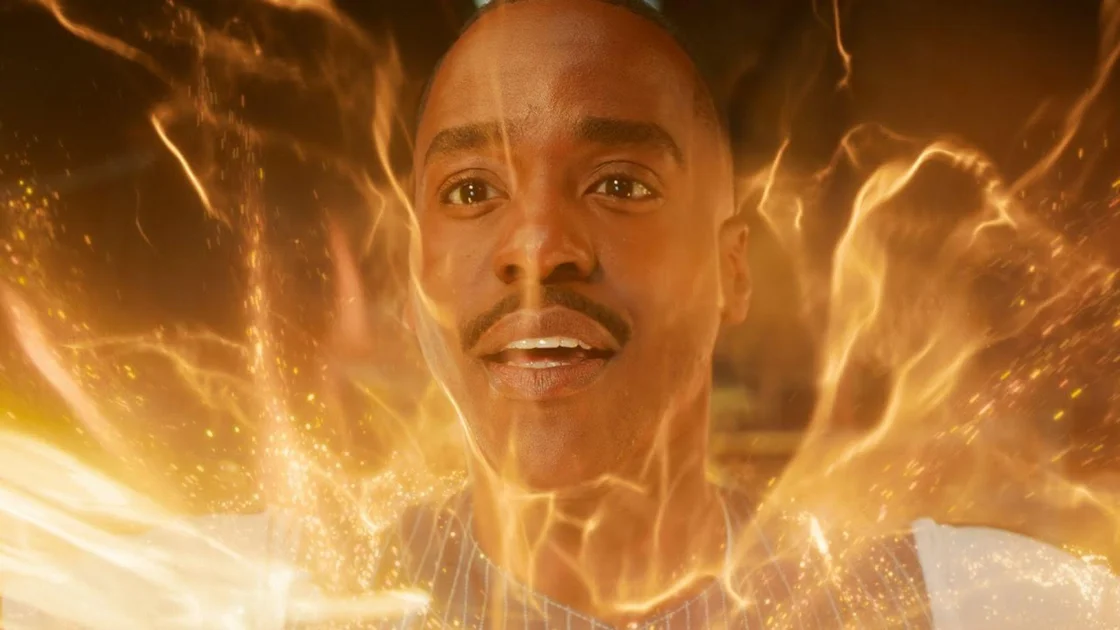
According to Davies, the Christmas special—which was to follow Ncuti Gatwa's final episode as the Doctor—was axed in June 2026 after he himself expressed doubts to the BBC. "There's a huge era behind us, there's a huge era ahead of us, what's this thing in the middle?" Davies writes, describing the proposed episode as "neither here nor there." The special, which would have featured an olde-worlde English village, a space festival called Winternox, and Daleks, was intended to demonstrate the BBC's commitment to the series after Disney+ declined to renew its deal. However, Davies argued it would only please fans superficially, and the BBC ultimately agreed to cancel it.
The End of the Disney Era and Billie Piper's Controversial Regeneration
The memoir also delves into the collapse of the Disney+ partnership, which began with high hopes in 2022. The deal, which brought the show to a global audience and increased production values, ended after two seasons and a spin-off. The final episode of Season 15 saw Gatwa's Doctor regenerate into former companion Billie Piper—a twist that left many fans puzzled. Davies defends the decision, saying it generated attention, but acknowledges that the show's future is now uncertain. The BBC has put Doctor Who out for tender, and the planned Christmas special was a casualty of the transitional period.
Davies reveals that the regeneration scene was originally shot as an open-ended departure, but when edited, it "looked like the death of the show." With Disney's rejection confirmed, the team faced months of silence while the BBC navigated internal changes, including the departure of chief content officer Charlotte Moore, a key supporter of the show. The resulting delay and lack of clear communication contributed to the special's cancellation.
Why Doctor Who's Struggles Matter for the Future of British TV
The revelations come at a pivotal moment for Doctor Who, a cultural institution that has been a staple of British television since 1963. Davies, who masterminded the show's 2005 revival, returned in 2021 with a trio of 60th-anniversary specials and ambitious plans. But even he admits that the series may be running out of steam. "I think Doctor Who has simply been part of the landscape for so long... that it's simply not grabbing people any more," he writes. This candid assessment underscores the challenges facing legacy franchises in an era of fragmented audiences and streaming wars.
The Disney deal was seen as a lifeline, but its failure highlights the difficulties of international co-productions and the pressure on the BBC to compete globally. The broadcaster, already under scrutiny from right-wing media and facing budget constraints, must now decide how to move forward. The tender process suggests a potential new production team, and Davies hints that they could easily write off Piper's regeneration with "exactly seven words." Yet the bigger question remains: can Doctor Who reinvent itself once more?
Davies' Legacy and the Broader Landscape of LGBTQ+ Representation
Beyond Doctor Who, Davies' memoir and recent interviews celebrate his groundbreaking career in bringing gay joy to British TV. In a Guardian podcast, he discussed his taboo-breaking work on Queer as Folk, casting a trans actor in a trans role in Banana, and his evolving views on representation. He also revealed turning down James Bond, emphasizing his commitment to telling queer stories. This legacy is central to The Queerest of Folk, which intertwines his personal journey with the highs and lows of his professional life.
As the television industry grapples with diversity and inclusion, Davies' contributions remain a touchstone. His willingness to speak frankly about Doctor Who's challenges offers a rare glimpse into the creative and business decisions that shape beloved shows. While the future of the Whoniverse is uncertain, Davies' influence on British culture is undeniable—and his memoir ensures that the behind-the-scenes story is finally told.
For now, fans await news of a new production team and the next incarnation of the Doctor. The BBC's tender process is expected to conclude in the coming months, with announcements likely in 2027. Whatever happens, Davies' farewell—"Goodbye Whoniverse. God, that was fun!"—resonates as both an ending and a new beginning.
Comments