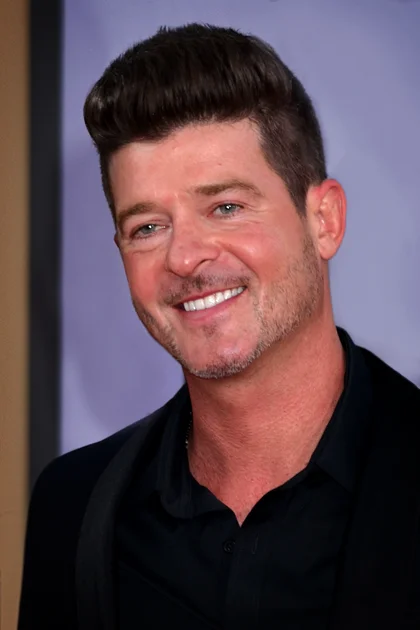
Robin Thicke Back in the Conversation
Robin Thicke, the Canadian-American R&B and pop singer best known for his 2013 global smash "Blurred Lines," is once again drawing public attention. Whether through new musical endeavors, media appearances, or renewed cultural discussions about his legacy, Thicke remains a figure who provokes strong reactions across the entertainment landscape. His name trending is a reminder that, for better or worse, the artist occupies a complicated but undeniable place in the history of contemporary pop music.
Thicke, born Robin Charles Thicke on March 10, 1977, in Los Angeles, is the son of actor Alan Thicke and singer-actress Gloria Loring. He has spent the better part of three decades navigating the music industry, with his career arc serving as both a cautionary tale and a testament to resilience.
The "Blurred Lines" Legacy: Fame, Backlash, and Legal Battles
A Song That Changed Everything
At its peak in the summer of 2013, "Blurred Lines" was inescapable. The track, featuring Pharrell Williams and T.I., topped charts in more than 25 countries and became one of the best-selling singles of all time. Its infectious beat and Marvin Gaye-influenced production propelled Thicke to a level of mainstream visibility he had never previously achieved, despite years of critically appreciated soul and R&B output.
However, the song quickly became a flashpoint for cultural debate. Critics argued that its lyrics promoted a troubling attitude toward consent, and the accompanying music video — featuring unclothed models alongside fully clothed male artists — was banned by several television networks and university campuses. The controversy did not diminish sales, but it permanently attached a qualifier to Thicke's public identity.
The Copyright Lawsuit That Set a Precedent
Beyond the social criticism, "Blurred Lines" became the subject of one of the most significant copyright cases in modern music history. The estate of Marvin Gaye sued Thicke and Pharrell Williams, alleging that the song copied the "feel" and "groove" of Gaye's 1977 classic "Got to Give It Up." In 2015, a jury ruled in favor of the Gaye estate, awarding $7.4 million in damages — later reduced on appeal but still upheld in its core finding.
The verdict sent shockwaves through the music industry, raising fundamental questions about the boundaries of copyright protection and how far the law extends in protecting not just melody and lyrics, but overall sonic atmosphere. For many music creators and legal scholars, the ruling remains controversial to this day, with some arguing it unfairly stifles artistic inspiration and the long-standing tradition of artists building on the work of their predecessors. This case is frequently cited in ongoing debates about intellectual property in the streaming era, where musical influences travel faster and more freely than ever before.
Personal Life: Public Heartbreak and Rebuilding
The Paula Patton Chapter
Equally publicized was the breakdown of Thicke's marriage to actress Paula Patton, his childhood sweetheart. The couple separated in early 2014, with the split playing out intensely in the media. Thicke's public attempts at reconciliation — including naming his 2014 album Paula entirely after her and dedicating performances to winning her back — were widely covered and drew both sympathy and criticism. Patton ultimately filed for divorce, and the custody battle over their son Julian was prolonged and at times acrimonious, involving serious allegations that were scrutinized in court proceedings.
A New Beginning
In more recent years, Thicke has rebuilt his personal life with actress and model April Love Geary, with whom he has three children. The couple have maintained a relatively lower public profile compared to the media storm of the mid-2010s, and Thicke has spoken in interviews about personal growth, sobriety, and a renewed focus on family.
Robin Thicke in Today's Entertainment Landscape
Television and Continued Relevance
Thicke broadened his television presence as a judge and mentor on The Masked Singer franchise and similar entertainment formats, reintroducing himself to audiences who may have only known him through controversy. His appearances on such platforms — which also continue to shape competition-based entertainment alongside shows like American Idol 2025 — illustrated how the music industry's relationship with reality television has become a key vehicle for artists seeking sustained visibility.
The Bigger Picture: Celebrity Reinvention in the Digital Age
Thicke's ongoing career trajectory reflects a broader trend in the entertainment industry: the capacity — and often the necessity — for public figures to reinvent themselves following scandal or professional setback. In an era defined by short attention spans and algorithmic content discovery, artists who once dominated cultural conversations must find new ways to stay relevant without being permanently defined by their lowest moments.
The case of Robin Thicke illustrates how musical talent, personal narrative, and media strategy intersect in the modern celebrity ecosystem. His story is neither a simple redemption arc nor a tale of irreversible cancellation — it is something messier and more human, a career still in motion, shaped as much by public perception as by artistic output.
As discussions about his legacy continue, Thicke remains a lens through which broader questions about creativity, accountability, and reinvention in the music industry can be meaningfully examined.
Comments