
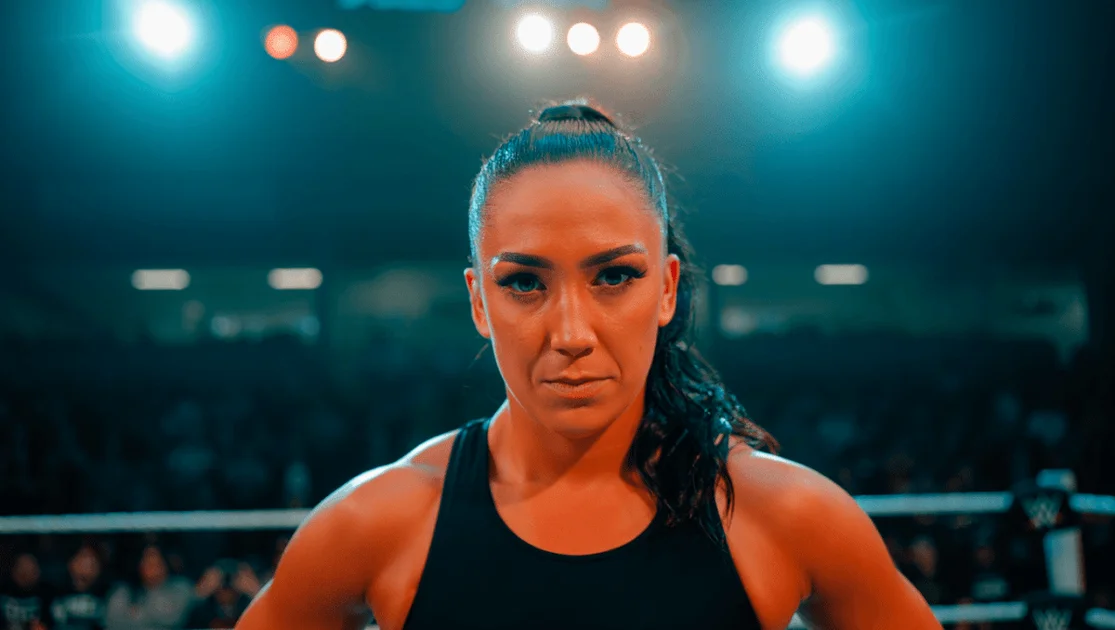
Ripley Breaks Her Silence on Eating Disorder
WWE superstar Rhea Ripley has publicly confirmed she is dealing with an eating disorder, putting an end to weeks of mounting speculation surrounding her noticeable physical changes heading into WrestleMania 42. The revelation emerged in mid-April 2026, when Ripley responded directly in the comments section of an Instagram post by fitness coach M.K. Angeletti, who had posted a video addressing online theories about the Australian wrestler's weight loss.
In a brief but striking message, Ripley wrote: "Just a little eating disorder that I'm actively trying to handle." The comment quickly gathered over 1,300 responses, the vast majority expressing solidarity and support. Fans rallied around the star, with one writing that she did not need to "explain or justify anything to anyone," and another urging her to prioritize her health above all else.
Dispelling Misinformation
The disclosure came after a wave of online speculation that had attempted to attribute Ripley's physical changes to other causes — most notably back pain and, in some quarters, unfounded claims about performance-enhancing substances. Angeletti's post had specifically pushed back on the back pain theory, noting that muscle mass does not cause back pain and that Ripley had largely retained her muscular build while losing body fat. Ripley herself had previously moved to shut down those narratives before choosing to speak more openly about the real cause.
Speaking Out: Ripley's Own Words on Stress and Control
In a separate and more expansive interview on the podcast Pod Meets World, Ripley offered a candid and deeply personal account of her struggles. She connected the disorder directly to stress and a loss of personal control — two factors that have intensified as her career has grown.
"It definitely stems from stress and not being in control," Ripley explained. "That's my biggest thing — I like being in control. But when I can't control work, my schedule, or at the time my home life — with a now ex-friend who was terrorizing my life — and then going to Australia and not being able to control how crowds reacted to my peers, or the pressure they were under 24/7, and then getting thrown into all that media — it was just a lot all at once. It kind of broke me for a little bit."
Ripley also addressed the relentless nature of online negativity, describing the difficulty of using social media professionally while being unable to avoid harmful commentary about her body, her booking, and her character. "I can't even doom scroll like a normal person without seeing things about me," she said, adding that she has considered deleting Twitter altogether.
A Deliberate Choice to Share
Despite the vulnerability required, Ripley framed her decision to speak openly as a conscious and purposeful one. She noted that she had initially tried to keep the eating disorder private while she worked through it, but ultimately concluded that speaking out could benefit others — particularly younger fans who might be facing similar struggles. "If it's going to help someone, then why not talk about it? I needed that when I was a kid," she said. "If I knew my idols were going through these struggles and still powering through — being amazing — and I look up to them, then I'd feel like I could get through it too."
WrestleMania 42 and the Stakes for Ripley
The timing of Ripley's disclosure adds a layer of significance to her upcoming match at WrestleMania 42, where she is set to challenge Jade Cargill for the WWE Women's Championship. The bout is one of the most anticipated women's matches on the card, and Ripley arrives as one of the most prominent figures in WWE's women's division over the past several years.
At WrestleMania 41, Ripley was part of a celebrated triple threat match alongside Iyo Sky and Bianca Belair for the Women's World Championship — a bout that drew widespread praise and led many observers, including CM Punk himself, to argue it should have been given a main event slot. The women's division has been widely credited with carrying much of WWE's creative momentum through 2025 and into 2026, from the critically acclaimed Evolution premium live event to a series of standout performances on both Raw and SmackDown.
Ripley's willingness to compete at wrestling's biggest stage while managing a personal health struggle has only deepened the respect her peers and fans hold for her.
A Broader Moment for Athlete Mental Health and Body Image
Ripley's public disclosure lands at a moment when conversations around body image, mental health, and the specific pressures faced by professional athletes — particularly women — are receiving increasing mainstream attention across sports and entertainment.
In combat sports, athletes regularly face intense scrutiny over their physiques, weight cuts, and physical conditioning. The pressure to maintain a certain appearance while performing at an elite level creates a fraught environment that can have serious psychological consequences. Ripley's candid acknowledgment that online commentary about her body contributed to her disorder reflects a reality many high-profile women in sports contend with daily, regardless of their discipline.
By choosing to speak out — both in a social media comment and in a long-form podcast interview — Ripley has added her voice to a growing chorus of athletes who are refusing to let misinformation define the narrative around their health. Her openness not only corrects the record but signals a broader cultural shift in how athletes, and the public, engage with questions of physical and mental well-being.
Comments