
Richard Tice's Heatwave Comments Spark Outrage
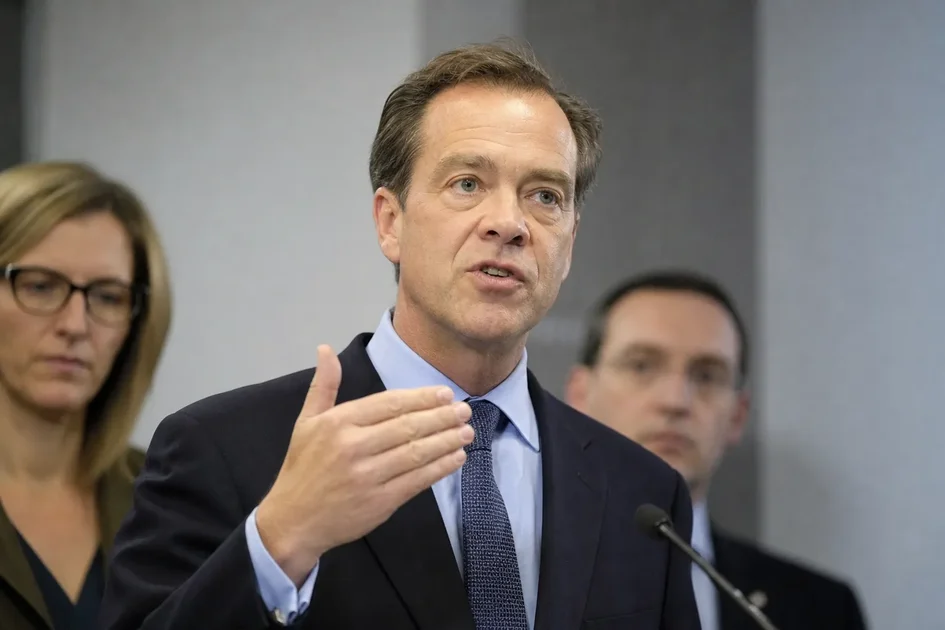
Reform UK's deputy leader, Richard Tice, has ignited a political firestorm by dismissing the climate crisis as "doom and gloom" and encouraging Britons to "enjoy" recent heatwaves, even as the country grapples with record temperatures, devastating wildfires, and hundreds of heat-related deaths. Speaking at a press conference on Monday, Tice questioned the evidence behind net-zero policies and suggested that adapting to a warmer climate—and celebrating perks like improved English wine—was a smarter approach than trying to stop climate change.
His remarks, made during one of the UK's hottest summers on record, drew immediate condemnation from political rivals, medical professionals, and environmental campaigners. Labour Party chair Bridget Phillipson labeled the comments "tone-deaf," pointing to wildfires raging across the UK, drought threatening water supplies, and food security concerns. Meanwhile, the Royal College of Nursing issued a stark rebuke, urging Tice to speak to nurses on the frontlines of heat-related health crises.
The Controversial Statement
At the press conference, Tice said: "Of course, the climate changes, but where is the evidence that net zero is going to stop it? Where is the evidence? There is no evidence. Climate change has always happened. It always will. Maybe the smarter thing to do is to adapt to it than think arrogantly that you can stop it."
He added: "When it's a bit warm, let's enjoy it. And if it means that English wine and sparkling wine gets better and better, fantastic. That means we can take on the French—fantastic. Let's celebrate some of these things rather than just be sort of doom and gloom about it."
Tice also drew a comparison to the 1976 heatwave, saying he was "old enough to remember" that summer and that the current weather "feels a bit the same."
The Human and Economic Toll of the Heatwaves
The context of Tice's comments could not be starker. The UK has experienced a record-breaking summer, with temperatures repeatedly soaring above 35°C. The government estimates that 2,877 people died as a result of high temperatures during the May and June heatwaves alone—double the figure for the entire previous summer. The Met Office attributes 42% of these fatalities to "human-induced warming."
Beyond the tragic loss of life, the heatwaves have placed immense strain on the National Health Service, with millions of hospital visits reported. The economic impact is equally severe: think tank Verdant estimates the heatwaves have cost the UK £4.4 billion in lost business output so far this year.
Wildfires have become increasingly frequent and severe, burning larger areas across the country. The so-called "firewave" weeks ago was the most widespread the UK has ever witnessed, with wet winters followed by prolonged heatwaves creating ideal conditions for blazes. Homes have been destroyed, and entire communities have been forced to evacuate, most recently in Stourbridge in the West Midlands.
Housing Secretary Angela Rayner, who visited Stourbridge on Monday, described the devastation as "like going through a movie." She told The Mirror: "I've never seen that level of devastation and the indiscriminate way in which you can see the fire had moved so swiftly."
A Summer of Suffering
The human cost is not limited to deaths. New figures published in The Lancet reveal that older people are affected by heat at lower temperatures than previously thought, and medical professionals report struggling to cope with the surge in patients. The Royal College of Nursing's spokesperson said: "Those calling for people to enjoy the impacts of climate change should say it to the nurses coping with heat-related illnesses."
Friends of the Earth climate campaigner Danny Gross responded to Tice's remarks by saying: "If Richard Tice wants to live in a world of make believe, that's his choice. But the rest of us are dealing with the reality of a climate emergency that is killing people and destroying homes."
Reform UK's Climate Stance Under Scrutiny
Tice's comments are not an isolated gaffe but part of a broader pattern within Reform UK, which has consistently downplayed the urgency of climate action. Under leader Nigel Farage, the party has advocated for scrapping net-zero targets and rolling back green policies, arguing they burden businesses and consumers.
However, Tice's latest remarks have intensified scrutiny for several reasons. First, they come at a time when climate impacts are visibly worsening in the UK, making denialist rhetoric harder to sustain. Second, Tice is the party's deputy leader and a key figure in its operations, so his words carry institutional weight. Third, his suggestion that people should "enjoy" extreme heat appears profoundly insensitive to those who have lost homes or loved ones.
Political Reactions
The backlash was swift and bipartisan. Labour's Bridget Phillipson seized on the comments, saying: "Richard Tice's comments are tone-deaf. With wildfires raging across the UK and drought threatening water supplies and food security, comments like these don't just raise serious questions about his judgment—they also expose where his interests really lie."
Even some within the Conservative Party, which has adopted its own net-zero skepticism under recent leadership, distanced themselves from Tice's remarks. One unnamed Tory MP told the press: "There's a difference between questioning the cost of net zero and telling people to enjoy a heatwave that's killed thousands. That's a bridge too far."
The Broader Implications: Climate Denial in a Burning World
Tice's comments reflect a wider trend among populist politicians across the West: using weather anomalies to challenge climate science and justify inaction. But the stakes are rising. The UK's summer of 2026 has provided a grim preview of what a warming world looks like—and the public is noticing. Polls show increasing concern about climate change, even among traditionally conservative demographics, as extreme weather events hit closer to home.
By framing climate action as "arrogant," Tice taps into a narrative of human hubris versus natural cycles. Yet climate scientists unequivocally state that human activity is driving the current warming trend, and that adaptation alone cannot prevent catastrophic outcomes. The Lancet study released this week is a stark reminder that vulnerable populations—particularly the elderly—are at risk even at moderate temperatures.
What This Means for Reform UK
For Reform UK, Tice's outburst could be a double-edged sword. On one hand, it reinforces the party's anti-green credentials, appealing to a base that views climate policy as elite overreach. On the other, it risks alienating moderate voters who are directly experiencing the consequences of extreme weather. The party has been trying to position itself as a serious contender in British politics, but moments like this undermine that ambition, making it easier for critics to paint Reform as reckless and out of touch.
Political analyst Dr. Sarah Whitfield notes: "Populist parties often thrive on contrarianism, but there's a limit. When you're telling people to enjoy a disaster that's killing their neighbors, you cross a line. Tice may have scored points with the faithful, but he's handed ammunition to every opponent."
A Pattern of Dismissive Rhetoric
This is not the first time Tice has made controversial statements. He has previously questioned the severity of the pandemic, criticized climate activists as "eco-zealots," and mocked diversity initiatives. His style is one of provocation, often echoing the language of his leader, Nigel Farage. But the heatwave comments have a particularly callous edge, given the tangible suffering across the country.
The Role of Disinformation
Accusations of misinformation are central to the controversy. Tice's claim that "there is no evidence" that net-zero policies will stop climate change is misleading: while net-zero is about reducing future emissions, its purpose is to prevent further warming, not to reverse existing changes overnight. Scientists warn that without aggressive emissions cuts, heatwaves like this summer will become more frequent and more deadly. By dismissing these efforts as futile, Tice risks normalizing inaction at a critical juncture.
The UK's Climate Change Committee has repeatedly stressed that adaptation measures are necessary, but they are complementary to mitigation, not a replacement. Tice's framing of "adapt vs. stop" is a false dichotomy, as both are needed. Moreover, his suggestion that warmer weather is a net positive—citing better wine—ignores the severe downsides, from agricultural losses to public health emergencies.
The Road Ahead: Politics in an Era of Climate Crisis
As the UK continues to swelter, the political debate over climate policy will only intensify. Richard Tice's comments are a flashpoint, but they also signal a deeper divide: some politicians view climate change as a problem to be managed, while others see it as an opportunity for political gain. The latter approach is becoming increasingly untenable as the evidence mounts.
For the public, the takeaway is clear: climate change is no longer a distant threat but a present reality. The question is whether leaders like Tice will acknowledge that reality or continue to offer easy comfort while the world burns. For now, Tice remains unapologetic. In a follow-up statement, he doubled down, saying: "I stand by my comments. The climate alarmism is the real danger—it's hurting our economy and our way of life."
But as the death toll rises and wildfires spread, such rhetoric may become harder to sustain. The summer of 2026 could be a turning point—not just for the climate, but for the politics of climate denial.
Conclusion: A Test of Leadership
Richard Tice's heatwave remarks have put Reform UK on the defensive, but they have also exposed a broader failure of political leadership in the face of a climate emergency. In a year marked by record heat, deadly wildfires, and economic disruption, telling Britons to "enjoy" the warmth is not just insensitive—it is dangerous. The backlash is a sign that the public, and even political rivals, are no longer willing to tolerate such dismissiveness.
As the country rebuilds from the summer's devastation, the debate over how to respond to climate change will shape the next election. Tice's comments may be a rallying cry for some, but for many, they are a stark reminder of what is at stake. The coming months will show whether such rhetoric has staying power or whether it is a political liability that even Reform UK cannot afford.
Comments