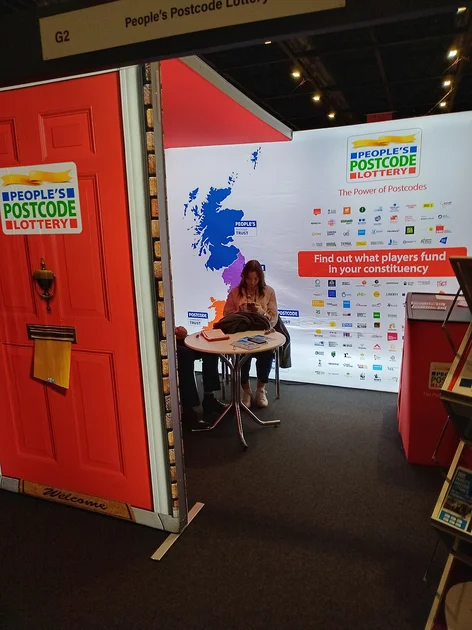
What Is the Postcode Lottery?
The postcode lottery is a type of charitable lottery where participants are assigned tickets based on their residential postcode rather than choosing random numbers. When a winning postcode is drawn, all registered players living in that area share in the prize pool. This community-based format distinguishes it from conventional lotteries and encourages neighbourhood participation.
Origins and Core Concept
The concept was pioneered in the Netherlands in 1989, when the Nationale Postcode Loterij was established. The idea was straightforward: link lottery tickets to postcodes so that winners and non-winners living side by side would create a social incentive to participate. If a neighbour wins and you did not play, you miss out despite sharing the same postcode. This mechanic has proven highly effective at driving subscription rates over the decades.
The postcode lottery model is built around the principle that proceeds should benefit charities and civil society organisations. A significant portion of each ticket's value is directed toward good causes, making participation feel purposeful beyond the chance of winning a prize.
Countries and Organisations Running Postcode Lotteries
The postcode lottery format has expanded well beyond the Netherlands and is now active in several countries, each operating under distinct branding and regulatory frameworks.
The Netherlands: Nationale Postcode Loterij
The Nationale Postcode Loterij remains the largest and most established postcode lottery in the world. It distributes hundreds of millions of euros annually to charities focused on human rights, environmental protection, and social welfare. Major beneficiaries have included Amnesty International, WWF Netherlands, and Oxfam Novib.
United Kingdom: People's Postcode Lottery
Launched in 2005, the People's Postcode Lottery operates in Great Britain and follows a similar model to its Dutch counterpart. Players pay a monthly subscription fee and are entered into draws tied to their postcode. The lottery has generated over £1 billion for good causes since its inception, supporting thousands of charities across health, environment, community development, and the arts.
Draws take place daily, weekly, and monthly, offering varied prize tiers and keeping player engagement high throughout the year.
Sweden and Germany
Postkodlotteriet operates in Sweden using the same foundational structure. In Germany, the Deutsche Postcode Lotterie was introduced in 2016 and has grown steadily, distributing funds to a wide range of German and international charitable organisations. Both operations are linked to the same parent group that oversees several postcode lotteries across Europe.
How Prizes and Charity Distributions Work
Understanding the financial mechanics of the postcode lottery helps clarify both its appeal to players and its value to charitable organisations.
Prize Structure
Prize amounts vary depending on the specific lottery and draw format. In a typical postcode lottery draw, the winning postcode is selected at random, and all active players registered to that postcode receive a share of the prize. Larger postcodes with more players generally yield higher total prize payouts, though individual amounts may be smaller when split among many participants.
Some draws offer fixed prizes per player regardless of postcode size, while others feature jackpot events where a single postcode can win a substantial lump sum. Monthly or annual draws often carry the largest prize pools.
Charity Allocation
A defined percentage of ticket revenue — typically ranging from 25% to 33% depending on the operator — is directed to charitable causes. Postcode lottery operators often publish annual reports detailing how funds are allocated, ensuring transparency for players and regulators alike.
Charities are selected through application processes or long-term partnerships. Priority is frequently given to organisations working in areas such as poverty alleviation, climate action, human rights, and community resilience.
Regulation and Player Eligibility
Postcode lotteries are subject to gambling regulations in each country where they operate. Operators must hold valid licences and adhere to responsible gambling standards, including age verification requirements. In the United Kingdom, the People's Postcode Lottery is licensed by the Gambling Commission.
How to Enter
Subscription to a postcode lottery is typically completed online or by phone. Players provide their home postcode, choose the number of tickets they wish to hold, and set up a recurring monthly payment. There is no active involvement required once registered — the postcode is automatically entered into every scheduled draw.
Players can usually manage their accounts through dedicated websites or mobile apps, where they can view upcoming draw dates, check results, and update payment details.
Responsible Gambling Measures
All licensed postcode lottery operators are required to promote responsible gambling. This includes setting spending limits, providing self-exclusion options, and directing players to support services if needed. The subscription-based model also means players are aware of their fixed monthly spend in advance, reducing the risk of impulsive overspending common in other lottery formats.
The postcode lottery continues to grow as a distinctive model that combines community engagement, prize incentives, and meaningful charitable impact across multiple countries.
Comments