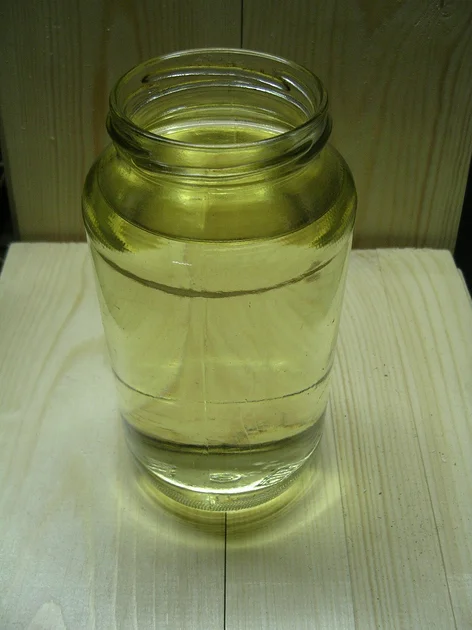
Petrol, known as gasoline in North America, is one of the most widely used fuels in the world. Derived from crude oil, it powers hundreds of millions of vehicles and plays a central role in global energy systems. Understanding how it is produced, used, and what challenges surround it provides valuable insight into today's energy landscape.
What Is Petrol and How Is It Composed?
Petrol is a refined petroleum product primarily used as fuel in internal combustion engines. It is a complex mixture of hydrocarbons — organic compounds made up of hydrogen and carbon atoms — along with small amounts of additives designed to improve performance and reduce emissions.
Chemical Composition
The hydrocarbon chains in petrol typically contain between 4 and 12 carbon atoms. Key components include isooctane, heptane, and various aromatic compounds such as benzene, toluene, and xylene. The ratio of these components determines the fuel's octane rating, a measure of its resistance to premature ignition (knocking) inside an engine. Standard petrol usually carries an octane rating between 91 and 95, while premium grades reach 98 or higher.
Additives and Blending
Modern petrol contains a range of additives including detergents to keep engines clean, antioxidants to prevent degradation during storage, and corrosion inhibitors. In many countries, ethanol is blended into petrol — typically at a 5% to 10% ratio (E5 or E10) — to reduce carbon monoxide emissions and extend fuel supplies using a renewable component.
How Petrol Is Produced
The production of petrol begins with the extraction of crude oil from underground reservoirs, either onshore or offshore. Crude oil in its raw form is not directly usable as fuel and must undergo a complex refining process.
The Refining Process
At a petroleum refinery, crude oil is first heated in a distillation column, where different hydrocarbon fractions are separated based on their boiling points. Petrol is collected from the lighter fractions at temperatures between approximately 35°C and 200°C. However, simple distillation does not yield enough petrol to meet demand, so additional processes are employed:
- Cracking: Large hydrocarbon molecules are broken down into smaller ones suitable for petrol.
- Reforming: Low-octane hydrocarbons are chemically restructured to produce higher-octane compounds.
- Alkylation: Small hydrocarbon molecules are combined to create high-octane fuel components.
These processes allow refineries to maximise petrol output and tailor its properties for different markets and regulations.
Global Use and Economic Significance
Petrol remains one of the most traded commodities in the world. Its price is closely linked to crude oil markets, geopolitical events, and supply-demand dynamics. Road transport accounts for the largest share of petrol consumption globally, with passenger cars being the primary users.
Key Producing and Consuming Regions
The United States is both the world's largest producer and consumer of petrol. Other major producers include Saudi Arabia, Russia, and China. In terms of consumption, rapidly developing economies in Asia are increasing their share, while established markets in Europe and North America have seen some stabilisation due to improved vehicle fuel efficiency and the gradual adoption of electric vehicles.
Petrol Pricing
Retail petrol prices vary significantly between countries due to differences in taxation, subsidies, refining capacity, and distribution infrastructure. In many European nations, taxes can represent more than half of the pump price. Conversely, oil-producing countries often subsidise petrol, keeping domestic prices substantially lower than global market rates.
Environmental Impact and the Energy Transition
The combustion of petrol releases carbon dioxide (CO₂), water vapour, nitrogen oxides, and particulate matter. CO₂ is a major greenhouse gas contributing to climate change, while nitrogen oxides and particulates affect air quality and public health, particularly in urban areas.
Regulations and Emission Standards
Governments worldwide have introduced increasingly strict emission standards for vehicles. The Euro 6 standard in the European Union, for example, sets tight limits on nitrogen oxide and particulate emissions from petrol and diesel engines. These regulations have driven significant improvements in engine technology and fuel formulations.
The Road Ahead
The long-term role of petrol in global energy is evolving. The international shift toward electric vehicles, improved public transport, and alternative fuels such as hydrogen is gradually reducing dependence on petrol in several markets. The International Energy Agency (IEA) projects that petrol demand in advanced economies will continue to decline through 2030 and beyond, though it is expected to remain significant in developing regions for years to come.
Despite this transition, petrol continues to be an indispensable part of the global energy mix, underpinning transport, commerce, and everyday life across the world.
Comments