
Pegula and Osaka Speak Out as Influencer Disruptions at US Open Draw Scrutiny
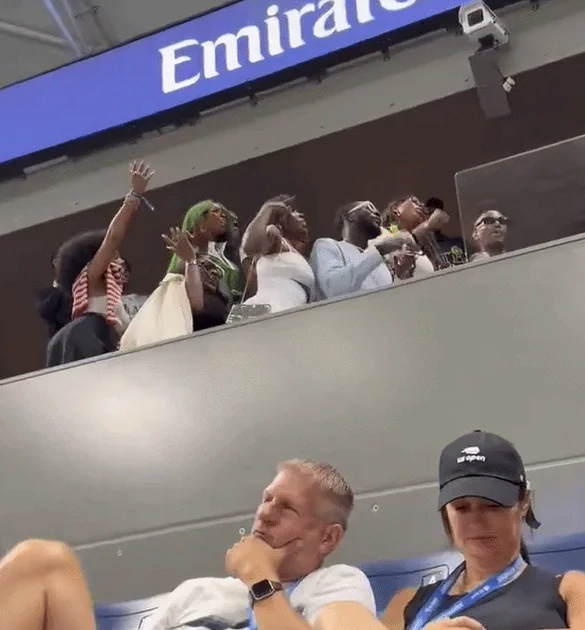
The 2026 US Open has been defined not just by world-class tennis but by an off-court controversy that has players, pundits, and fans divided. Following a series of disruptive incidents involving content creators during matches, top WTA stars including Jessica Pegula and Naomi Osaka have publicly condemned the behavior, calling for better management of influencer activity at the Grand Slam.
Pegula, the No. 3 seed who advanced to the fourth round with a hard-fought 1-6, 6-4, 6-3 win over 2021 runner-up Leylah Fernandez on September 4, addressed the issue directly in her post-match press conference. While she acknowledged the benefits of influencers showcasing the US Open experience, she expressed frustration over actions that cross the line.
“I can appreciate the influencers coming and showcasing the US Open experience,” Pegula said. “That’s something that the US Open has utilized a lot as far as food and drinks and things to do and the shops. That is part of a fan experience and something that people might not know and make them want to go.”
However, she added: “It’s tough when you see videos when they’re taking pictures and using the selfie lights. People are down there trying to perform. It’s their career and their job. It seems a bit disrespectful.”
Osaka: Distractions Are 'Too Much' This Year
Osaka, who won her second-round match against Katerina Siniakova on September 3, was more explicit about the level of disturbance. During her match, umpires were repeatedly forced to quiet the crowd due to influencers filming content, a situation Osaka described as unprecedented.
“Today, the umpire, she told everyone to be quiet more than I’ve ever heard an umpire tell a crowd to be quiet,” Osaka said. In her first-round match against Anastasia Zakharova, a group was spotted in a viral clip loudly reciting Kim Kardashian’s famous phrase, “Hey, guys. We're back. Did you miss us 'cause we missed you.”
Osaka emphasized that while attracting new audiences is positive, basic respect for the sport's etiquette is non-negotiable. “If you come to a sporting event, you have to respect the sport. It’s common courtesy to read up on the sport, especially the etiquette,” she told reporters. “It could be a good thing for people to make the sport of tennis popular to their specific audience.” She concluded that the situation “has to be managed a lot better.”
A Growing Rift: Tradition vs. Virality at Flushing Meadows
Pegula, who lost to Aryna Sabalenka in the 2024 US Open final and in the semifinals last year, is currently navigating a tournament full of distractions. Her third-round match against Fernandez was a struggle, particularly in the first set where she put only 5 of 16 first serves in. While she credited Fernandez’s varied play, she also had to “dig deep” to turn the match around, a task made harder by the chaotic environment.
Pegula is not alone in her critique. Coco Gauff, who could potentially meet Pegula in the final, echoed similar sentiments after her own match. “I definitely think it’s cool to have a new demographic and I definitely think it helps grow the sport. But if you’re being invited to a red carpet, you wouldn’t show up in jeans. I think it’s just follow the etiquette of the sport,” Gauff said.
The backlash stems from a series of incidents where influencers have used camera flashes, selfie lights, and loud vocalizations during points, forcing umpires to intervene. This behavior has sparked a debate about the balance between growing the sport’s audience and maintaining the traditional, quiet atmosphere of tennis.
Defenders See New Energy at the Open
Not all players view the influencer influx negatively. Frances Tiafoe, who advanced to the fourth round by beating Valentin Vacherot, defended the raucous atmosphere that has become synonymous with the US Open.
“I think the Open is great because you get all types of people who want to come and watch tennis. That is the point: to get all types of people to watch tennis, it does not matter what occupation it is,” Tiafoe stated. Daniil Medvedev, who is set to face Tiafoe in the next round, agreed: “The more we try to raise awareness about tennis, the better it is. The more popular the sport is.”
The divide highlights a pivotal moment for tennis authorities, who must decide how to handle the intersection of high-stakes athletic performance and the digital content economy.
The Future of Grand Slam Spectatorship
The controversy at the US Open serves as a case study for all major sports leagues grappling with the influence of social media celebrities. On one hand, influencers bring visibility to events like the US Open, potentially attracting younger demographies who may not otherwise tune into a five-set match. On the other, their behavior—often driven by the need to produce engaging content—can compromise the integrity of the competition.
For players like Pegula and Osaka, the issue is not the presence of influencers but the execution. They advocate for a middle ground where creators can participate in the fan experience without undermining the athletes’ focus. As Osaka noted, “huge positives” exist in having content creators at events, but they must respect the venues and the competition.
The conversation is likely to extend beyond Flushing Meadows. With the 2026 season nearing its climax, players will be vocal about implementing guidelines for future tournaments. The US Open has long prided itself on being the loudest, most vibrant Grand Slam, but there is a clear difference between passionate cheering and staged content creation.
As the tournament progresses into its second week, all eyes will be on how organizers respond to these complaints. For now, the players have made their position clear. The sport must adapt to changed media landscapes, but not at the cost of a fair and respectful contest, echoing broader debates seen in other sports coverage on Puka Nacua's Week 1 Status Clear, But Suspension Clouds Loom Over Rams.
Comments