
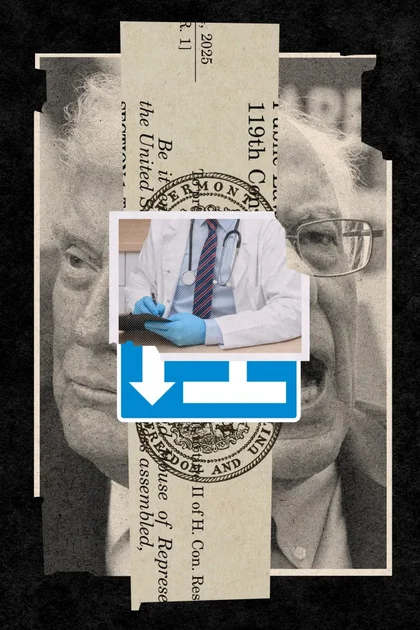
One Big Beautiful Bill Act Impacts Intensify as New Medicaid and SNAP Changes Loom
More than a year after President Donald Trump signed the One Big Beautiful Bill Act (OBBBA) into law on July 4, 2025, the sweeping budget reconciliation package is delivering measurable and accelerating effects across the country, particularly in Southern states. New administrative changes to Medicaid and the Supplemental Nutrition Assistance Program (SNAP) are set to take effect on October 1, 2026, while a national rollout of Medicaid work requirements begins by December 31, 2026. For commercial property owners and investors, the launch of Opportunity Zones 2.0 on January 1, 2027, represents the next major tax provision on the horizon.
According to an analysis published by CSSI Services on September 22, 2026, the October 1 changes include a higher state cost share for SNAP administration and narrower Medicaid eligibility for certain immigrant categories. By the end of the year, Medicaid work and community engagement requirements will begin phasing in nationally for enrollees between the ages of 19 and 64, and eligibility redeterminations for expansion enrollees will shift from once a year to twice a year. These changes sit outside the tax planning conversations most CFOs are having, but they carry significant implications for households, state budgets, and the health care sector.
SNAP and Medicaid Cuts Hit Southern States Hardest
The human toll of the law is already visible. An opinion piece published by the Mississippi Free Press details how H.R. 1 cuts SNAP by $187 billion and Medicaid by $1 trillion over the next decade, while making the 2017 tax cuts permanent. According to the Bipartisan Policy Center, the bill adds more than $4 trillion to the national debt when interest costs are included. The tax cuts far outweigh the spending reductions, and closing that gap will result in drastic cuts to crucial services.
SNAP enrollment in Southern states has dropped anywhere between 7% and 21%, not because incomes rose, but because narrowed eligibility requirements and new administrative burdens are pushing eligible people out of the program. Rural ACA marketplace enrollment dropped by around 162,000 from 2025 to 2026 in the 10 Southern states examined. Mississippi, which did not expand Medicaid, has the highest rate of food insecurity and the second-highest poverty rate in the nation. Last year, the state passed a law to phase out its state income tax, eliminating roughly a third of state revenue at the same time the federal government began requiring states to absorb a larger share of Medicaid and SNAP costs.
A Compounding Budget Crisis
Other Southern states that have cut income tax rates are similarly affected. The combination of reduced state revenue and increased cost-sharing responsibilities leaves local communities with a giant bill and no margin left to absorb it. As the Mississippi Free Press notes, rural, Black and brown, working class, and immigrant Southerners will all be worse off under the law. The effects are not theoretical—they are measurable, already here, and getting worse.
What Is Still Ahead for the Rest of 2026 and Into 2027
While much of the public debate has focused on benefit cuts, the law also includes significant tax provisions that are still phasing in. According to CSSI Services, a large share of OBBBA's business tax provisions—from the return of 100% bonus depreciation to immediate expensing for domestic research costs—have already been in effect for well over a year. But several provisions were written with staggered effective dates.
Opportunity Zones 2.0 and Real Estate Planning
The item with the most direct relevance for real estate investors is the launch of Opportunity Zones 2.0. Beginning January 1, 2027, a new decennial round of Qualified Opportunity Zone designations takes effect, replacing a meaningful share of the original zones with a fresh, ten-year rolling selection process designed to keep the incentive current rather than static. Investments made into a Qualified Opportunity Fund on or after that date will fall under the revised OZ 2.0 rules, which include an enhanced benefit for investments in designated rural zones. Dollars invested through December 31, 2026 continue to be governed by the original 2017 opportunity zone framework, so there is a real timing decision for investors weighing a QOF allocation in the next several months.
Medicaid Work Requirements and Redeterminations
The Medicaid changes set for late 2026 are among the most consequential. The national rollout of work and community engagement requirements for enrollees between 19 and 64 will begin by December 31, 2026. At the same time, eligibility redeterminations for expansion enrollees will move from once a year to twice a year—a shift that could lead to more churn and coverage losses, particularly among low-income adults who qualify for Medicaid under expansion.
The Broader Fiscal Picture
The One Big Beautiful Bill Act represents one of the largest rollbacks of federal investment in more than a generation. By making the 2017 tax cuts permanent and adding more than $4 trillion to the national debt when interest costs are included, the law shifts billions in costs from the federal government down to states. According to the Bipartisan Policy Center, the tax cuts far outweigh the spending reductions, and closing that gap will result in drastic cuts to crucial services.
At MDC, a nonprofit that has asked questions about policy decisions for almost 60 years—who benefits, and who gets left out—the answer on H.R. 1 is not complicated. Rural, Black and brown, working class, and immigrant Southerners will all be worse off. The compounding budget crisis manufactured in state houses and in Congress is being delivered to doorsteps across the region.
What This Means Going Forward
For households, the coming months will bring new paperwork requirements, more frequent eligibility checks, and narrower pathways to benefits. For state governments, the fiscal pressure will intensify as federal cost-sharing obligations rise. For investors and business owners, the Opportunity Zones 2.0 launch on January 1, 2027, creates both a deadline and an opportunity—dollars invested through December 31, 2026 fall under the original framework, while those invested afterward will be governed by revised rules that include enhanced benefits for rural zones.
The One Big Beautiful Bill Act was never a single flip of a switch. Its provisions are staggered, and their effects will continue to unfold well into 2027 and beyond. As the Mississippi Free Press notes, the impacts are already being felt—and they are getting worse. The question of who benefits and who gets left out remains central as the law's next phase begins.
Key Dates to Watch
- October 1, 2026: Higher state cost share for SNAP administration; narrower Medicaid eligibility for certain immigrant categories.
- December 31, 2026: National rollout of Medicaid work and community engagement requirements begins; eligibility redeterminations for expansion enrollees move to twice a year.
- January 1, 2027: Opportunity Zones 2.0 takes effect, with a new round of designations and enhanced benefits for rural zones.
As these deadlines approach, the full scope of the One Big Beautiful Bill Act's impact—on families, state budgets, and the broader economy—will become even clearer.
Comments