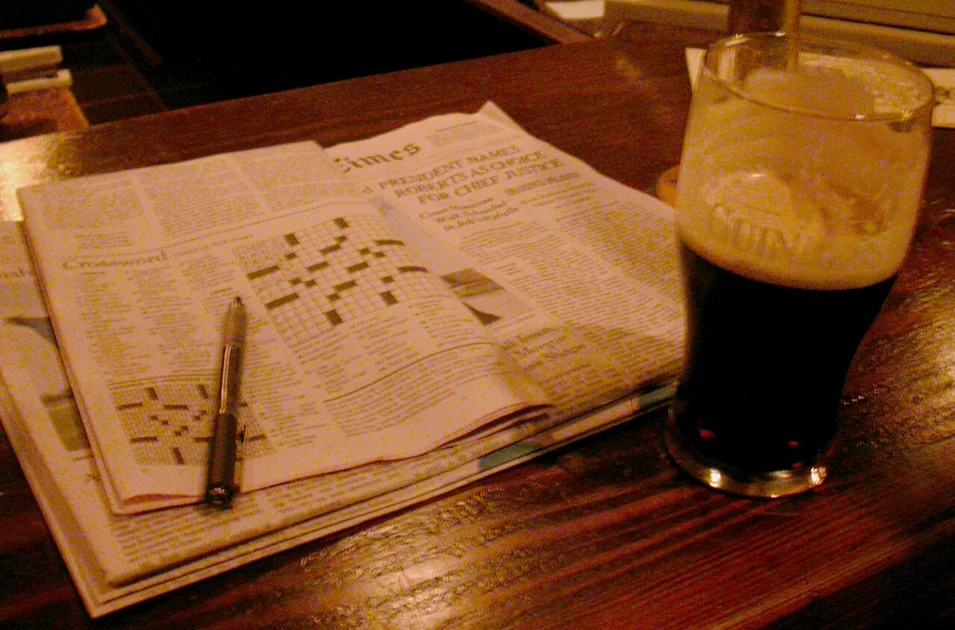
Daily NYT Crossword Answers Become One of the Most Searched Terms Online
In recent weeks, searches for NYT crossword answers have surged to some of the highest levels recorded in years, according to trending data from multiple analytics platforms. The New York Times crossword puzzle — long considered the gold standard of American word games — is now driving millions of daily searches from solvers looking for hints, explanations, or full solution grids for each day's puzzle.
This spike in search interest is not simply a seasonal anomaly. Data from Google Trends shows sustained, month-over-month growth in queries related to the NYT crossword throughout the first half of 2025. Specific clues tied to current events, pop culture, and sports figures are among the most searched sub-topics, with solvers frequently turning to third-party websites, Reddit threads, and dedicated answer blogs to complete their grids.
Key Numbers Behind the Trend
The New York Times Games subscription — which includes the crossword, Wordle, Connections, and Strands — crossed 10 million subscribers in 2024, a milestone the company highlighted in its annual earnings report. Industry observers estimate that the crossword alone accounts for a significant portion of that subscriber base, with daily active users in the millions. On particularly difficult puzzle days, search volumes for NYT crossword answers can spike by as much as 300% compared to an average Monday.
Why the NYT Crossword Has Become a Cultural Touchstone
Understanding the current wave of interest requires stepping back to consider how the New York Times transformed its games division into a full-fledged media product. Since acquiring Wordle in early 2022 for a reported price in the low seven figures, the Times has aggressively expanded its puzzle portfolio and built a community of solvers that spans generations and geographies.
The crossword itself dates back to 1942, but its digital reinvention has been remarkable. The NYT Crossword app — available on iOS and Android — now features streaks, statistics, and social sharing tools that mirror the mechanics of popular mobile games. These gamification elements have turned what was once a solitary newspaper ritual into a competitive, social activity. Solving streaks are discussed on social media much like Fox 4 News expands digital coverage amid shifting local TV landscape — both are examples of traditional media formats successfully adapting to digital audience expectations.
The Role of Third-Party Answer Sites
A cottage industry of websites dedicated to publishing daily NYT crossword answers has emerged alongside the puzzle's growing popularity. These platforms, which often publish solutions within minutes of the puzzle's midnight release, draw enormous traffic from solvers at all skill levels. While the Times has not taken legal action against these sites, the relationship remains complex: answer sites effectively function as a gateway, introducing new solvers to the puzzle while simultaneously reducing friction for those who might otherwise abandon a difficult grid entirely.
Editors and longtime constructors have noted that Thursday and Saturday puzzles — traditionally the hardest of the week — generate the most answer-seeking behavior online. Sunday puzzles, which feature themed grids and are typically larger in scale, also produce significant search spikes, particularly when clues reference niche topics or wordplay that rewards specialist knowledge.
What the Crossword Boom Signals for Media and Digital Engagement
The sustained popularity of NYT crossword answers as a search topic reflects something larger than nostalgia for word games. It points to a broader shift in how audiences engage with premium media content. The New York Times has, in effect, built a loyalty loop: the crossword draws users into the app daily, those users are then exposed to news products, and the overall subscriber value increases.
This model is being studied by media companies across the industry. The idea that a puzzle can serve as a reader acquisition tool — and a retention mechanism — challenges assumptions about what constitutes premium journalism in the digital age. For advertisers and executives alike, the crossword's data footprint is now considered a serious metric.
Beyond the business angle, the crossword's cultural moment speaks to a public appetite for structured mental challenges at a time of significant information overload. In a media environment saturated with breaking news and algorithmic feeds, the finite, completable nature of a crossword puzzle offers something increasingly rare: a sense of closure. Whether solvers find that satisfaction independently or with the help of a quick search for NYT crossword answers, the daily ritual continues to grow — and the numbers show no sign of slowing down.
Comments