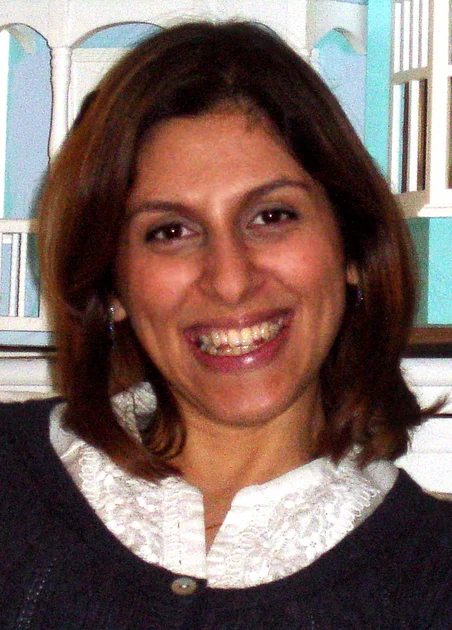
Nazanin Zaghari-Ratcliffe became one of the most prominent cases of dual nationals detained in Iran in recent decades. Her case drew sustained international attention, sparked major diplomatic tensions between the United Kingdom and Iran, and highlighted broader concerns about the treatment of foreign nationals in Iranian prisons.
Who Is Nazanin Zaghari-Ratcliffe?
Nazanin Zaghari-Ratcliffe is a British-Iranian dual national who was born in Tehran, Iran. She moved to the United Kingdom, where she built a career and started a family. At the time of her arrest, she was working as a project manager for the Thomson Reuters Foundation, the charitable arm of the global news and media organisation Reuters.
Early Life and Career
Zaghari-Ratcliffe studied in Iran before relocating to the UK, where she eventually became a British citizen. She married Richard Ratcliffe, a British accountant, and the couple had a daughter named Gabriella. Her professional work at the Thomson Reuters Foundation focused on media training and journalism development in various countries.
Arrest, Detention, and Charges
In April 2016, Nazanin Zaghari-Ratcliffe travelled to Iran to visit her parents and introduce her infant daughter Gabriella to family members. At Imam Khomeini International Airport in Tehran, as she prepared to return to the UK, she was detained by the Islamic Revolutionary Guard Corps (IRGC).
The Charges Against Her
Iranian authorities accused her of plotting to overthrow the Iranian government, charges that she, her family, her employer, and the British government consistently and firmly denied. She was sentenced to five years in prison following a closed-door trial. In 2021, she faced an additional one-year sentence on a separate charge related to alleged propaganda activities, bringing her total sentence to six years.
Conditions of Detention
Zaghari-Ratcliffe was held primarily in Evin Prison in Tehran, a facility known for housing political prisoners. She was reported to have experienced significant physical and psychological health challenges during her imprisonment. For part of her detention, she was held under house arrest at her parents' home in Tehran rather than in the prison facility itself. Her daughter Gabriella remained in Iran throughout most of the ordeal, separated from her father in the UK.
Diplomatic Efforts and the Role of the UK Government
The case of Nazanin Zaghari-Ratcliffe became a significant point of contention in UK-Iran relations. Her husband Richard Ratcliffe campaigned tirelessly throughout her detention, meeting with British officials, conducting hunger strikes, and maintaining public pressure on both governments to secure her release.
Boris Johnson's Controversial Statement
In November 2017, then-Foreign Secretary Boris Johnson made a statement before a parliamentary committee suggesting that Zaghari-Ratcliffe had been in Iran to train journalists — a characterisation that contradicted her stated reason for visiting, which was a family holiday. Iranian officials cited this statement as evidence supporting her conviction. Johnson later clarified and apologised for his remarks, acknowledging that they had been poorly worded.
Diplomatic Immunity and Hostage Diplomacy Debate
British officials and human rights organisations argued that Iran was using Zaghari-Ratcliffe and other dual nationals as bargaining chips in diplomatic disputes, a practice sometimes referred to as hostage diplomacy. A long-standing financial dispute between the UK and Iran over an unpaid debt of approximately £400 million — related to a contract for Chieftain tanks that was never fulfilled following the 1979 Islamic Revolution — was frequently cited as a complicating factor in negotiations.
Release and Return to the United Kingdom
After nearly six years of detention, Nazanin Zaghari-Ratcliffe was released and allowed to leave Iran in March 2022. Her release came alongside that of another British-Iranian dual national, Anoosheh Ashoori. The UK government confirmed that it had resolved the decades-old debt dispute with Iran, paying approximately £393.8 million to settle the outstanding obligation.
Life After Detention
Upon her return to the United Kingdom, Zaghari-Ratcliffe was reunited with her husband and daughter Gabriella, who had also returned to the UK. She spoke publicly about the psychological toll of her imprisonment and expressed relief at being home. She has continued to advocate for others who remain detained in Iran and similar situations worldwide.
Her case has since been referenced in discussions about the rights of dual nationals, consular protection, and the broader issue of citizens being detained abroad for political leverage. Human rights groups continue to use her story as a reference point when documenting the experiences of individuals held in comparable circumstances.
Comments