
Murkowski Opposes Blanche, Leaving AG Nomination on Brink of Defeat
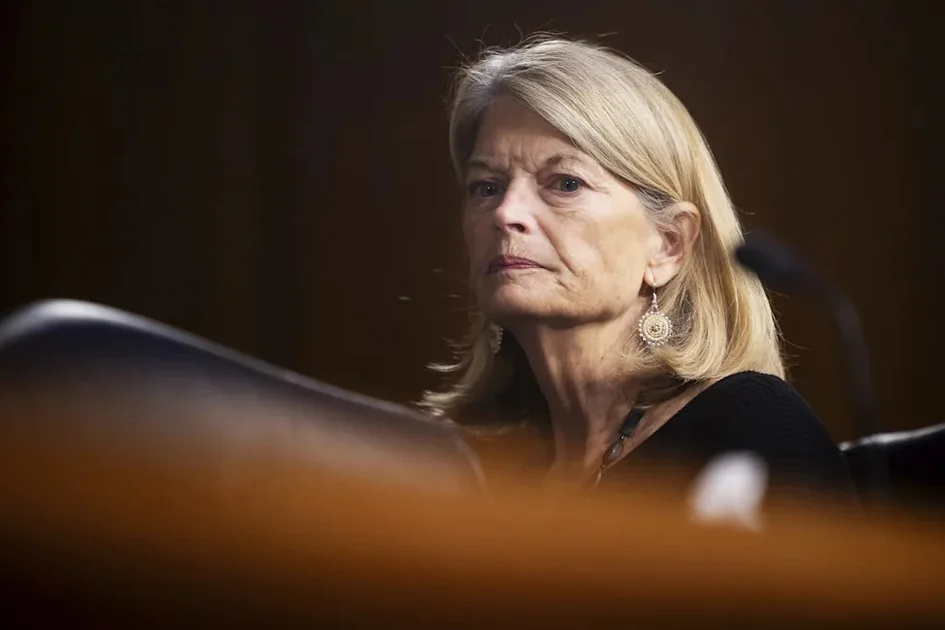
Sen. Lisa Murkowski, R-Alaska, announced Friday morning that she will vote against confirming Todd Blanche as attorney general, throwing the nomination into serious jeopardy and leaving its fate in the hands of a single undecided Republican senator. In a strongly worded statement, Murkowski cited the Department of Justice's accelerated politicization, the handling of the Epstein files, and the creation of a $1.8 billion “anti-weaponization” fund she described as a “slush fund.”
“The country needs an Attorney General who will check the worst impulses of this administration,” Murkowski said. “I hope Mr. Blanche is able to achieve that, if confirmed, but I simply do not have confidence that will be the case.” Her announcement follows Sen. Susan Collins, R-Maine, who declared her opposition on Tuesday, and comes as Sen. Mitch McConnell, R-Ky., remains absent due to health issues.
The Stakes: One Vote Now Decides Blanche's Fate
With Democrats expected to vote unanimously against Blanche, the math in the closely divided Senate is unforgiving. Murkowski's “no” vote, combined with Collins's, means Blanche can afford to lose only one more Republican vote. All attention now turns to Sen. Bill Cassidy, R-La., who has remained publicly undecided and has expressed serious reservations about Blanche's independence from President Donald Trump.
Cassidy, who survived a Trump-backed primary challenge earlier this year, has voiced concerns about what he calls “lawfare” at the Justice Department, describing prosecutions of individuals “because somebody in high office is angry at them.” He has also demanded assurances that Blanche would serve as the nation's top law enforcement officer, not merely as the president's personal attorney. “I've got to be convinced that he is an attorney general who just happens to have once been President Trump's personal attorney, as opposed to President Trump's personal attorney who is now the attorney general,” Cassidy said on Wednesday.
Murkowski's statement went further than her previous public comments, detailing specific grievances. She took issue with the “sweeping immunity protections granted to the President, his family, and their businesses” tied to the IRS settlement, the “repeated targeting of individuals ranging from former administration staff to sitting U.S. Senators,” and the Justice Department's role in releasing files related to the late convicted sex offender Jeffrey Epstein. She also warned that the $1.8 billion fund, which critics say could have rewarded January 6 protesters, would only remain dormant because of the leverage the Senate holds during the confirmation process. “Once we vote, that will end, and there is no telling what the future holds,” she said.
A Bumpy Road to the Floor Vote
Blanche's path to a full Senate vote has been fraught with internal Republican opposition. Earlier this week, Sens. John Cornyn, R-Texas, and Thom Tillis, R-N.C., withheld their support over concerns about the anti-weaponization fund and the scope of audit immunity granted to Trump in the IRS settlement. Both ultimately voted to advance Blanche out of the Senate Judiciary Committee on a 12-10 party-line vote after receiving written assurances from the nominee that the fund would be rescinded and the audit immunity clarified.
Tillis had also insisted that Blanche meet with survivors of Epstein, a meeting that reportedly left attendees feeling “very condescending,” according to a recent report. Despite these concessions, Blanche's standing among centrists remains fragile, and Murkowski's decision demonstrates the depth of the skepticism. Sen. John Curtis, R-Utah, another potential holdout, has already indicated he will support the nominee.
What This Means for the Trump Administration
The near-collapse of Blanche's nomination would represent a significant rebuke of Trump's influence over his own party. If Cassidy ultimately votes “no,” Blanche would become the first Cabinet secretary nominee to lose a Senate confirmation vote in decades. The White House had pushed for a vote before the Senate's summer break begins Friday, but the lack of a clear path to confirmation suggests the process may be delayed, prolonging the standoff.
For the Trump administration, the battle over Blanche is about more than one personnel choice. It is a test of whether the Senate Republican conference will serve as a check on executive power or defer to the president's agenda. Blanche, who served as Trump's personal defense attorney before becoming acting attorney general, has been a lightning rod for these tensions. His nomination has become a referendum on the independence of the Justice Department and the limits of presidential authority.
Murkowski's opposition, in particular, signals that some Republicans are willing to break ranks on the most consequential positions. Her reference to the targeting of “sitting U.S. Senators” underscores a broader concern within the party about the administration's use of federal power against its political opponents.
The Lone Holdout's Decision
Cassidy's decision is now the fulcrum on which the nomination hinges. He has shown increasing independence in recent months, and his public comments suggest he is weighing the same concerns Murkowski raised. He met with Blanche on Capitol Hill Wednesday alongside Murkowski, but emerged without committing either way. In an interview Thursday, he declined to comment on how he would vote, saying only that it was a matter of conscience.
If Cassidy joins Murkowski and Collins, the nomination fails, and the administration would be forced to regroup with a new candidate or pressure wavering senators. If he supports Blanche, the nominee would squeak through with the narrowest possible margin, but with a diminished mandate and a clear signal that his leadership will face intense scrutiny from members of his own party.
The coming hours will be critical as Senate leaders assess whether they have the votes to proceed. For now, the future of the Justice Department's leadership hangs in the balance, and the spotlight is fixed firmly on one senator from Louisiana. The outcome will likely resonate well beyond this single confirmation, shaping the dynamics of executive-legislative relations for the remainder of Trump's term.
A Changing Political Landscape
The standoff over Blanche reflects a broader trend in American politics: the growing willingness of moderate Republicans to assert their independence. From the collapse of the first Trump administration's agenda to the current battles over spending and judicial appointments, the GOP's center has repeatedly proven to be a decisive force. Murkowski's and Collins's opposition, combined with Cassidy's skepticism, suggests that the president cannot take loyalty for granted, even in a party he largely controls.
For the Department of Justice, the implications are profound. A failed nomination would leave the agency in the hands of an acting leader and invite further questions about its direction. The controversy over the Epstein files and the anti-weaponization fund has already damaged public trust, and a contentious confirmation battle would only intensify scrutiny. As the Senate prepares to leave for recess, the uncertainty surrounding Blanche is a reminder that even the most powerful figures in Washington remain subject to the whims of a closely divided chamber.
Comments