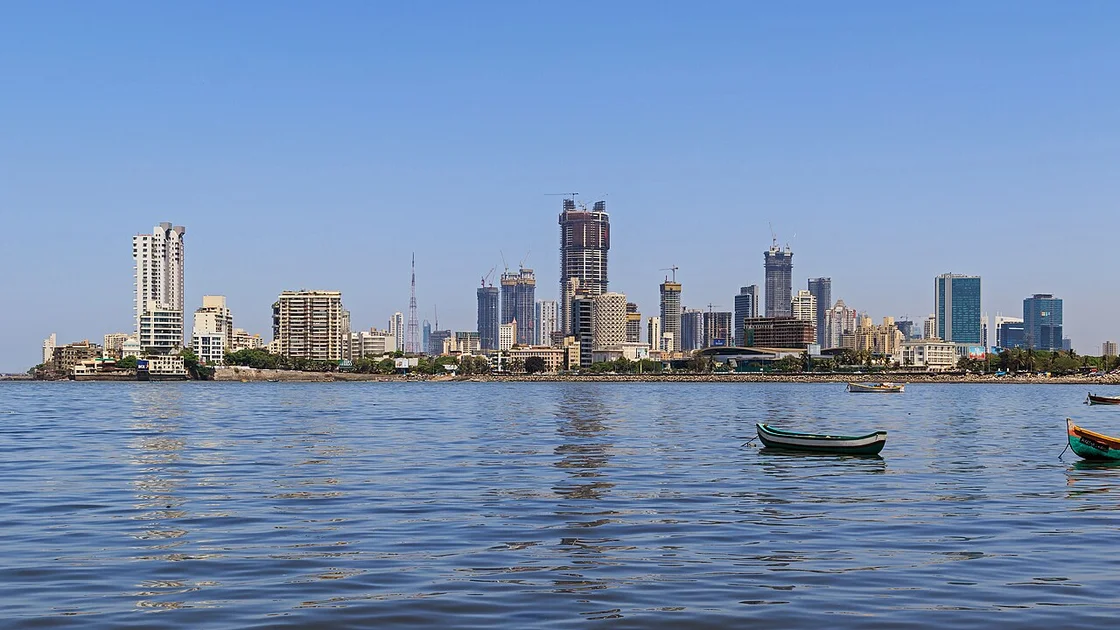
Mumbai, formerly known as Bombay, is the capital city of the Indian state of Maharashtra and the most populous urban agglomeration in India. Home to over 20 million people in its metropolitan area, it sits on the western coast of India along the Arabian Sea. The city serves as the country's primary financial center and is internationally recognized for its diverse population, iconic landmarks, and the world-famous Bollywood film industry.
Historical Background and Origins
The land that now constitutes Mumbai was originally a cluster of seven islands inhabited by the Koli fishing community. Portuguese colonizers arrived in the early 16th century and named the settlement Bom Bahia, meaning "good bay." In 1661, the islands were transferred to England as part of the dowry in the marriage of Catherine of Braganza to King Charles II. The British East India Company subsequently developed the area into a major trading port.
Colonial Development and Growth
Under British administration, land reclamation projects gradually merged the seven islands into a single landmass during the 18th and 19th centuries. The arrival of the railway in 1853 — India's first — accelerated commerce and migration. By the late 19th century, Bombay had become one of the most significant port cities in Asia. The city was officially renamed Mumbai in 1995, in recognition of the local Marathi name derived from the goddess Mumbadevi.
Economy and Financial Significance
Mumbai generates approximately 6.16% of India's total GDP and accounts for a substantial share of the country's income tax, corporate tax, and customs revenues. The city hosts the Bombay Stock Exchange (BSE), Asia's oldest stock exchange founded in 1875, and the National Stock Exchange (NSE), one of the largest exchanges in the world by trading volume.
Key Industries
The city's economy is broad and diversified. Key sectors include:
- Financial services: Mumbai is home to the Reserve Bank of India, major commercial banks, and hundreds of multinational financial institutions.
- Entertainment: The Hindi-language film industry, colloquially known as Bollywood, produces more films annually than Hollywood and employs hundreds of thousands of people directly and indirectly.
- Textiles: Historically, Mumbai was a major center of cotton textile manufacturing, though this sector has declined significantly since the 1980s.
- Information technology: The city has seen growing investment in IT and business process outsourcing sectors, particularly in suburban districts like Andheri and Powai.
- Port and logistics: The Jawaharlal Nehru Port, located in Navi Mumbai, is India's busiest container port.
Geography, Climate, and Infrastructure
Mumbai occupies a narrow peninsula along the Konkan coastline and is bounded by the Arabian Sea to the west and Thane Creek to the east. Its location gives it a tropical climate characterized by hot, humid summers and a pronounced monsoon season from June to September. Annual rainfall exceeds 2,000 millimeters in some parts of the city, often causing significant urban flooding challenges.
Transport Network
Mumbai operates one of the busiest suburban railway networks in the world, transporting an estimated 7.5 million passengers daily. The network, run by Central Railway and Western Railway divisions, forms the backbone of the city's commuter system. In addition to railways, the city is served by the Mumbai Metro (currently expanding), the Brihanmumbai Electric Supply and Transport (BEST) bus service, a network of auto-rickshaws and taxis, and two major road bridges — the Bandra–Worli Sea Link being the most prominent.
Chhatrapati Shivaji Maharaj International Airport handles over 50 million passengers annually, making it one of India's busiest airports.
Landmarks, Culture, and Society
Mumbai is renowned for its architectural heritage, blending Gothic Revival, Art Deco, and Indo-Saracenic styles. Notable landmarks include the Gateway of India, built to commemorate the 1911 royal visit of King George V; Chhatrapati Shivaji Maharaj Terminus (formerly Victoria Terminus), a UNESCO World Heritage Site; and Marine Drive, a 3.6-kilometer boulevard along the seafront.
Cultural Diversity
The city's population reflects extraordinary cultural diversity. Residents include Maharashtrians, Gujaratis, Parsis, South Indians, Muslims, Christians, and communities from virtually every region of India. This diversity is reflected in the city's food, festivals, languages, and neighborhoods. Areas such as Dharavi — one of Asia's largest informal settlements — coexist with luxury residential zones like Malabar Hill and upscale commercial districts like Bandra Kurla Complex.
The city also has a thriving arts scene, with galleries, theaters, music venues, and literary festivals contributing to its reputation as India's cultural capital. Mumbai hosts the annual Kala Ghoda Arts Festival and the Mumbai Film Festival, both attracting significant national and international participation.
Comments