Moscow stands as one of the world's great metropolitan cities, serving as the political, economic, and cultural heart of Russia. With a population exceeding 12 million people, it ranks among the largest cities in Europe and continues to attract millions of visitors and researchers who seek to understand its complex and layered identity.
Historical Background
The city's origins trace back to the 12th century, when it was first mentioned in historical chronicles in 1147. Founded by Prince Yuri Dolgorukiy, Moscow gradually grew from a small riverside settlement into a regional power center.
Rise to Capital Status
During the 15th century, Moscow became the seat of the Grand Duchy of Muscovy and later the capital of the expanding Russian state under Ivan III. The city was briefly replaced by Saint Petersburg as the imperial capital under Peter the Great in 1712, but Moscow reclaimed its status as the national capital in 1918 following the Bolshevik Revolution. Since then, it has remained the political and administrative center of Russia.
Soviet Era Transformation
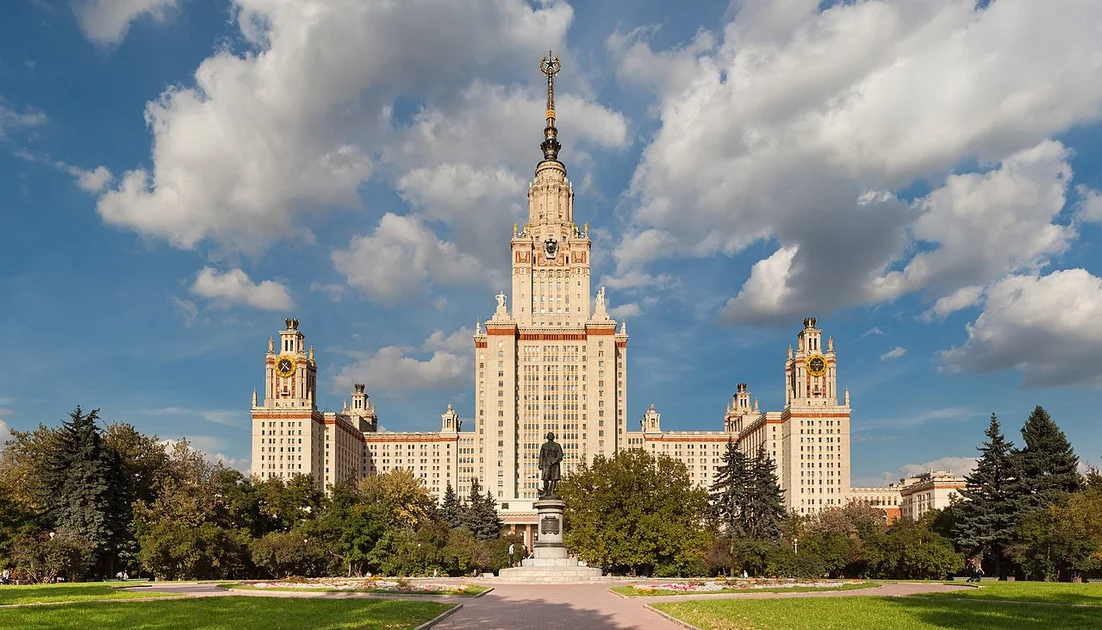
The 20th century brought dramatic changes to the city's urban landscape. Soviet-era planners demolished many historic structures and replaced them with broad avenues, massive public buildings, and iconic Stalinist skyscrapers — known as the "Seven Sisters" — which still define much of Moscow's distinctive skyline today.
Landmarks and Architecture
Moscow is home to an extraordinary concentration of historic and architectural landmarks that draw millions of tourists each year.
The Kremlin and Red Square
At the geographic and symbolic heart of the city lies the Moscow Kremlin, a fortified complex dating back to the 14th century. The Kremlin serves as the official residence of the Russian president and houses several cathedrals, museums, and government buildings. Adjacent to it, Red Square is one of the most recognizable public spaces in the world, flanked by Saint Basil's Cathedral — with its distinctive colorful onion domes — Lenin's Mausoleum, and the State Historical Museum.
Museums and Cultural Institutions
The city hosts world-class cultural institutions, including the Tretyakov Gallery, which holds the largest collection of Russian fine art globally, and the Pushkin State Museum of Fine Arts, featuring extensive collections of European art. The Bolshoi Theatre, founded in 1776, remains one of the most prestigious opera and ballet venues in the world.
Economy and Infrastructure
Moscow is the economic engine of Russia, contributing a significant portion of the country's GDP. The city functions as the headquarters for most major Russian corporations, banks, and financial institutions.
Business and Finance
The Moscow International Business Center, also known as Moscow City, represents the modern face of the capital's economy. This cluster of glass skyscrapers houses international companies, financial firms, and trading entities. The Moscow Exchange is one of the largest in Eastern Europe by market capitalization.
Transportation Network
Moscow operates one of the world's most extensive and well-used metro systems. The Moscow Metro, opened in 1935, carries over 6 million passengers daily and is notable not only for its efficiency but also for its ornate station designs, many of which feature marble columns, mosaics, and chandeliers. The city is also served by several major airports, including Sheremetyevo, Domodedovo, and Vnukovo, connecting it to destinations across the globe.
Education, Science, and Daily Life
Moscow is a leading center for education and scientific research in Russia and across the broader region.
Academic Institutions
Lomonosov Moscow State University, founded in 1755, is the oldest and most prestigious university in Russia. Its main building, one of the Seven Sisters skyscrapers, is a landmark in its own right. The city also hosts numerous specialized research institutes, technical universities, and academies covering fields from engineering to medicine.
Urban Life and Green Spaces
Despite its size and density, Moscow offers considerable green space to its residents. Gorky Park, Izmailovsky Park, and the Sparrow Hills provide recreational areas used throughout the year. The city experiences a continental climate with warm summers and cold winters, which shapes much of its outdoor culture. Winter festivals, ice rinks, and snow-covered parks are as characteristic of Moscow's identity as its grand architecture and world-renowned museums.
Moscow continues to evolve as a city of contrasts — where centuries-old churches stand beside modern towers, and where imperial history intersects with contemporary urban life. Understanding Moscow means engaging with the full breadth of Russian civilization, from its medieval roots to its present-day role on the global stage.
Comments