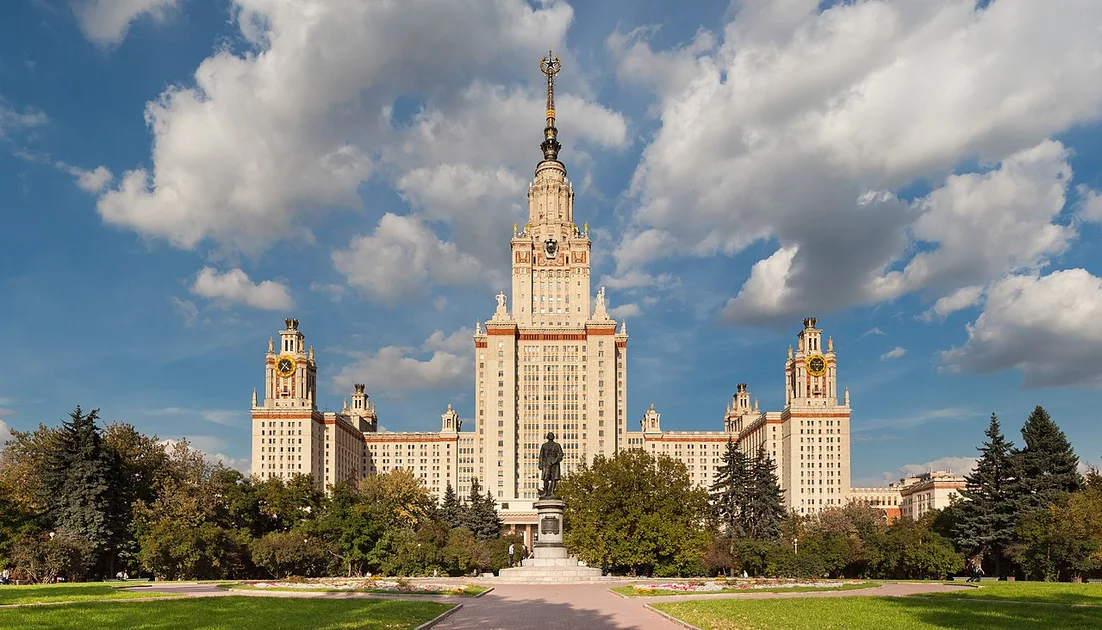
Moscow stands as one of the world's most significant cities, serving as the political, economic, and cultural heart of Russia. With a population exceeding 12 million people, it ranks among Europe's largest cities and continues to shape global affairs in numerous ways. From its medieval origins to its contemporary skyline, Moscow offers a layered story that spans more than eight centuries.
Historical Background
Moscow was founded in 1147 by Prince Yuri Dolgorukiy, making it one of the oldest continuously inhabited cities in Eastern Europe. Initially a modest trading post along the Moskva River, it gradually grew in political stature throughout the medieval period.
Rise to Power
By the late 15th century, Moscow had become the capital of the Grand Duchy of Muscovy under Ivan III, who unified many Russian principalities under a single rule. The city's strategic location in the center of the East European Plain helped it consolidate power over neighboring territories. Peter the Great later moved the capital to Saint Petersburg in 1712, but Moscow retained its symbolic and spiritual importance as the seat of Russian Orthodox Christianity.
Soviet Era and Beyond
Following the 1917 Bolshevik Revolution, Moscow was restored as the national capital in 1918. During the Soviet period, the city underwent massive transformation — wide boulevards were constructed, the famous Moscow Metro was inaugurated in 1935, and monumental Stalinist architecture redefined the urban landscape. After the dissolution of the Soviet Union in 1991, Moscow transitioned into a modern market economy, attracting international investment and becoming a major financial hub.
Iconic Landmarks and Architecture
Moscow's cityscape reflects its complex and often dramatic history. Centuries of construction, destruction, and rebuilding have produced an eclectic blend of architectural styles.
The Kremlin and Red Square
At the center of Moscow lies the Kremlin, a fortified complex that has served as the residence of Russian rulers since the 14th century. Today, it functions as the official workplace of the President of Russia. Adjacent to the Kremlin is Red Square, one of the most recognizable public spaces in the world. Flanked by Saint Basil's Cathedral with its distinctive colorful onion domes, the GUM department store, and Lenin's Mausoleum, Red Square has been the site of historic military parades, political gatherings, and public celebrations throughout Russian history.
Other Notable Sites
Beyond the Kremlin, Moscow features a wealth of architectural treasures. The Cathedral of Christ the Saviour, reconstructed in the 1990s after being demolished during the Soviet era, is one of the tallest Orthodox churches in the world. The Bolshoi Theatre, founded in 1776, remains a globally respected venue for ballet and opera performances. Meanwhile, the Moscow City business district showcases a modern skyline with skyscrapers that reflect the city's economic ambitions.
Culture, Education, and Daily Life
Moscow is a major center of arts, sciences, and education, hosting hundreds of museums, galleries, and research institutions.
Museums and the Arts
The Tretyakov Gallery holds one of the world's most comprehensive collections of Russian fine art, featuring works spanning from medieval icons to 20th-century masterpieces. The Pushkin State Museum of Fine Arts houses an impressive collection of European works. Moscow also supports a thriving theater scene, with dozens of stages performing everything from classical Russian drama to experimental contemporary productions.
Education and Research
Moscow State University, founded in 1755, is one of Russia's oldest and most prestigious academic institutions, enrolling tens of thousands of students annually. The city is home to numerous other universities, research institutes, and think tanks that contribute to fields ranging from physics and mathematics to humanities and social sciences.
Transportation and Infrastructure
The Moscow Metro is widely regarded as one of the most efficient and aesthetically remarkable subway systems in the world. Many of its stations are decorated with mosaics, marble columns, and chandeliers, functioning almost as underground museums. The city also operates an extensive network of buses, trams, and suburban rail lines, supporting the daily commutes of millions of residents.
Economy and Global Significance
Moscow generates a substantial share of Russia's GDP, concentrating a large portion of the country's banking, retail, media, and technology sectors. The Moscow Exchange is the principal stock and bond marketplace in Russia. Major Russian corporations, as well as many international companies with Russian operations, maintain their headquarters in the city.
The city's population is highly diverse, drawing residents and visitors from across Russia and the broader post-Soviet region. Moscow continues to be a focal point in international diplomacy, hosting embassies from virtually every nation and serving as a venue for multilateral negotiations and summits. Its evolving urban landscape, cultural institutions, and economic infrastructure ensure that Moscow remains a city of global relevance well into the 21st century.
Comments