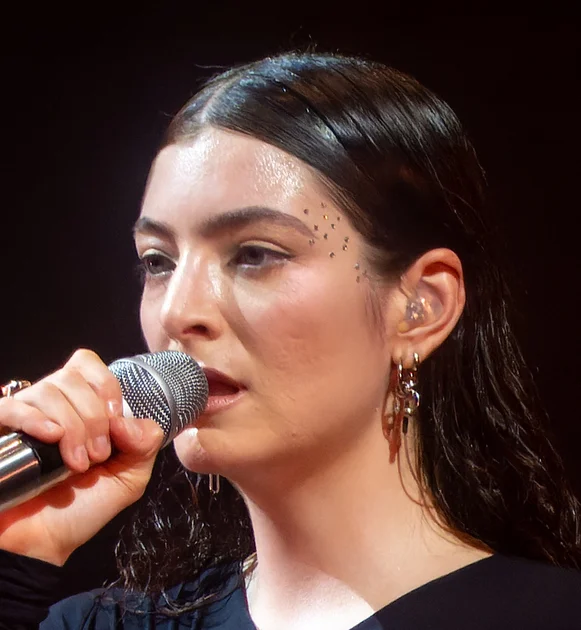
Lorde Steps Back Into the Spotlight With New Era Announcement
After nearly four years of public quiet, Lorde has re-emerged as one of the most talked-about names in pop music. The New Zealand singer-songwriter, born Ella Yelich-O'Connor, has signalled the arrival of a new musical era, releasing fresh material and updating her public presence in ways that have sent fans and industry observers into a frenzy. The announcement has rapidly trended across social media platforms, with her name dominating conversations on X (formerly Twitter), TikTok, and Instagram within hours of her first communications going live.
What Has Been Released So Far
Lorde's latest communications include teaser content, cryptic visual imagery, and, most significantly, new audio that marks a clear sonic departure from her 2021 album Solar Power. Early listener reactions describe the sound as darker and more textured than her sun-drenched third record, drawing comparisons to the brooding atmospherics of her landmark 2013 debut Pure Heroine and her critically acclaimed 2017 follow-up Melodrama. While a full release date for a new album has not yet been officially confirmed, the rollout strategy — drip-fed content, minimal interviews, and carefully curated imagery — mirrors the kind of deliberate campaign architecture that major labels deploy for high-stakes releases.
Why This Moment Matters for Lorde and for Pop Music
Lorde occupies a rare position in contemporary music: she is simultaneously a commercial force and a critical darling, capable of topping charts while earning serious artistic credibility. Her return is not simply a career milestone — it arrives at a moment when the pop landscape is crowded and attention spans are fragmented. The fact that she can command global trending status without a traditional press circuit speaks to the depth of her fanbase and the cultural weight she still carries.
The Stakes After Solar Power
Solar Power, released in August 2021, was a commercial and critical mixed bag. While it debuted strongly and earned admiration for its introspective, environmental themes, it divided long-time fans who had hoped for the emotional intensity of Melodrama. Lorde herself acknowledged the polarising reception in subsequent interviews and newsletters, demonstrating a level of self-awareness unusual among artists of her profile. That honesty, combined with her decision to step back from the public eye and reassess, has arguably deepened the anticipation for whatever comes next. The music industry is watching closely: a successful return could reaffirm the viability of the slow-burn, artist-led rollout model in an era dominated by algorithmic content drops and viral marketing.
This dynamic is not entirely unlike what's happening across entertainment more broadly, where artists, athletes, and public figures are increasingly managing their own narratives rather than relying on traditional media gatekeepers. The music world is seeing the same forces at play that are reshaping everything from sports coverage to cultural journalism — a shift toward directness between creator and audience that platforms like Substack and Patreon have accelerated.
The Broader Implications of Lorde's Comeback
Lorde's re-emergence is being read as more than a personal career move — it is a data point in a larger story about what audiences want from pop artists in 2025. Listeners are increasingly hungry for authenticity, craft, and emotional depth, and Lorde has historically delivered on all three fronts. Her willingness to take long gaps between projects, resist trend-chasing, and communicate directly with her audience through long-form newsletters has built a model of artist sustainability that younger musicians are beginning to study.
For the global music industry, which has faced sustained pressure from streaming economics, AI-generated content debates, and declining album cycle relevance, a high-profile Lorde campaign could provide a timely reminder that there remains a significant market for patient, concept-driven artistry. Festival bookers, streaming platform curators, and music journalists are already anticipating what a full album release could mean for end-of-year lists, live touring circuits, and the broader cultural conversation. Much like The Town Festival 2025: Brazil's Biggest Music Event Returns With Record Lineup and Global Spotlight illustrates, major music moments still have the power to mobilise audiences globally and generate enormous cultural and commercial momentum.
Ultimately, Lorde's return is being watched not just by fans but by an industry trying to understand whether deliberate, quality-focused artistic cycles can still compete in a landscape engineered for constant output. If the early signals hold, the answer may well be yes.
Comments