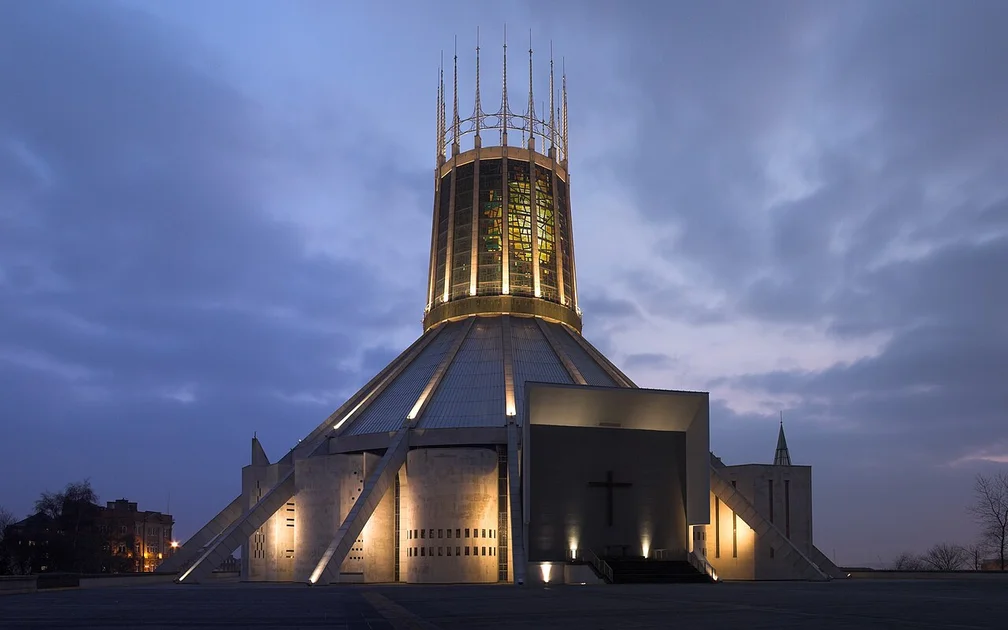
Liverpool sits on the northwest coast of England, bordered by the River Mersey and close to the Irish Sea. Its position heavily influences the local climate, creating a pattern that visitors and residents alike should understand before planning outdoor activities or travel.
Understanding Liverpool's Climate
Liverpool experiences a temperate oceanic climate, classified as Cfb under the Köppen climate classification system. This means the city enjoys relatively mild temperatures year-round, without extreme heat in summer or severe cold in winter. However, it is one of the wetter cities in England, receiving significant rainfall distributed across all months.
The Irish Sea plays a major role in moderating temperatures. Sea breezes keep summers cooler than inland areas and winters noticeably milder. Frost and snow are relatively rare but do occur, typically between December and February.
Average Temperatures Throughout the Year
Temperatures in Liverpool remain within a moderate range. Winter months — December, January, and February — see average lows of around 3°C to 5°C and highs rarely exceeding 8°C. Summer months, particularly July and August, bring average highs of 18°C to 20°C, occasionally reaching the low-to-mid 20s during heatwaves.
Spring and autumn serve as transitional periods. March through May sees temperatures climbing gradually from 9°C to 15°C, while September through November brings a slow descent back toward winter levels. These shoulder seasons are often characterised by variable conditions, mixing sunny spells with rain and wind.
Rainfall and Sunshine in Liverpool
One of the defining features of Liverpool weather is its consistent rainfall. The city receives approximately 850 to 900 millimetres of rain annually, spread fairly evenly across the year. There is no distinct dry season, which means visitors should be prepared for wet conditions at any time.
Monthly Rainfall Patterns
The wettest months tend to be October through January, when Atlantic weather systems push in from the west and bring prolonged periods of rain. Summer months are drier by comparison, but brief showers remain common. June, July, and August typically record the lowest monthly rainfall totals, though these figures can vary considerably from year to year.
Despite its reputation, Liverpool does receive meaningful sunshine. The city averages around 1,400 to 1,500 hours of sunshine per year. The sunniest months are May, June, and July, when long daylight hours in the north of England allow for extended bright periods even between cloud cover.
Wind and Humidity
Wind is a noticeable feature of Liverpool's weather. Being exposed to Atlantic systems, the city experiences regular breezes, with stronger gusts common in autumn and winter. The prevailing wind direction is from the southwest. Relative humidity stays fairly high throughout the year, generally ranging between 75% and 85%, contributing to the sensation of dampness even during drier periods.
Seasonal Guide for Visitors
Understanding seasonal patterns can help visitors make informed decisions about when to travel to Liverpool and what clothing or gear to bring.
Spring (March to May)
Spring is a popular time to visit Liverpool. Temperatures are mild, daylight hours increase rapidly, and the city's parks and waterfront areas become more pleasant. Rain is still frequent, but heavy downpours are less common than in winter. Light layers and a waterproof jacket are advisable.
Summer (June to August)
Summer represents the warmest and driest period, making it the peak tourist season. Outdoor events, festivals, and waterfront activities are at their most active. While temperatures rarely reach Mediterranean levels, comfortable warm-weather clothing is suitable, with a light rain layer kept on hand for unexpected showers.
Autumn (September to November)
Autumn brings cooler temperatures and increasing rainfall. Early September can still feel summer-like, but conditions deteriorate through October and November. Warm, waterproof clothing becomes essential. Despite the weather, autumn light can provide striking views across the Mersey.
Winter (December to February)
Winter in Liverpool is cool and often grey, with short daylight hours. Snow is infrequent but possible, and frost can occur overnight. The city remains lively with indoor attractions and seasonal events, making it a viable destination year-round for those prepared for the conditions.
Planning Around Liverpool Weather
Whether visiting for leisure, business, or sport, checking up-to-date forecasts from the UK Met Office is recommended. Liverpool weather can change quickly throughout the day, and local conditions near the waterfront may differ from those just a few miles inland. Dressing in layers, carrying a compact umbrella, and wearing waterproof footwear are practical steps that make navigating any season in the city more comfortable.
Comments