
Freeview Switch-Off Date Confirmed as Nandy Faces Pressure Over TV Access
Culture Secretary Lisa Nandy is navigating a pivotal week as her department confirms a potential 2034 end date for Freeview terrestrial television, while simultaneously championing a £5 billion Universal theme park investment that promises thousands of jobs. The dual announcements highlight the balancing act facing the Department for Culture, Media and Sport (DCMS) as it manages legacy broadcasting infrastructure and major economic development projects.
On Friday, the DCMS issued a written response confirming that licences for digital terrestrial television (DTT) multiplexes—the backbone of Freeview—have been granted only until 2034, with no commitment to renew them beyond that point. The statement, made in reply to a parliamentary question from Labour MP Peter Lamb, declared that "no decision has yet been made about the future of the DTT platform" after the licence expiry. Freeview currently reaches 13.6 million homes and serves as the primary television platform for 40 per cent of UK households with a TV set.
The potential switch-off would force millions of households to rely solely on internet-based television services, raising alarm among campaigners who warn that elderly people and those in rural areas could be left isolated. Recent polling indicates that nearly 7 in 10 UK residents remain unaware the government is even considering the move. A Westminster Hall debate earlier this year saw MPs voice significant concerns about the long-term viability of terrestrial broadcasting, with many urging the government to guarantee the service's future beyond 2034.
Free TV Licence Debate Adds to DCMS Headaches
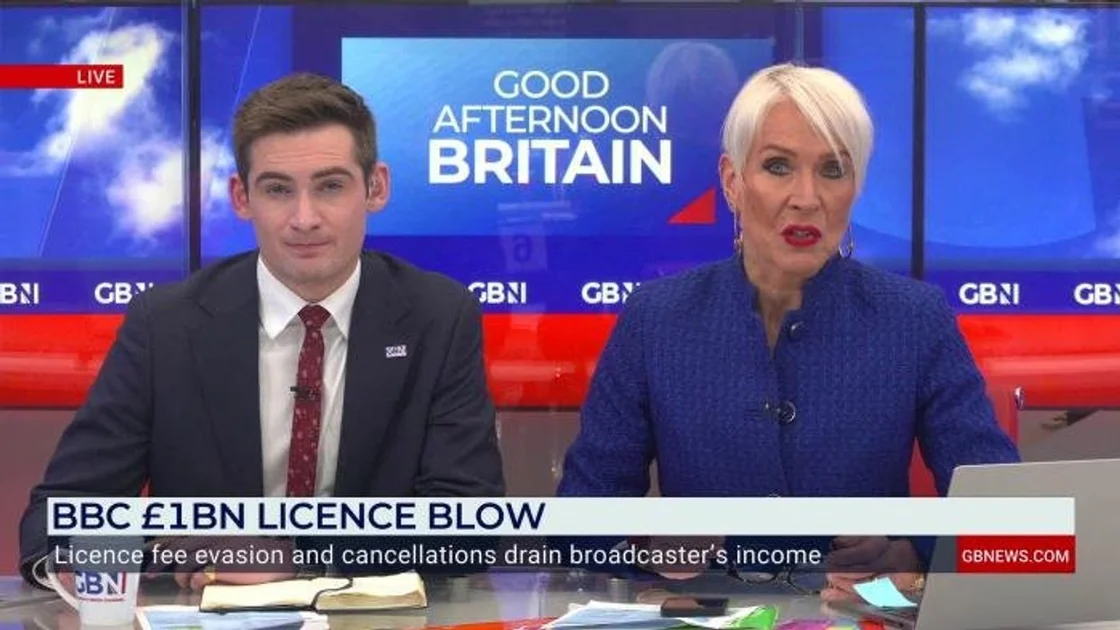
Adding to the pressure on Nandy's department, the DCMS is also facing a looming July 21 deadline for a petition demanding free BBC TV licences for all state pensioners. The petition currently has 26,000 signatures, well short of the 100,000 needed to trigger a parliamentary debate, but the issue remains politically sensitive. Currently, free TV licences are only available to over-75s who receive pension credit, a concession that the government has confirmed will remain in place until 2027.
The DCMS has responded by saying it is "considering options" but keeps "an open mind" about future concessions, noting that the BBC Charter Review is already examining alternative funding models for the corporation. The cost of providing free licences to all over-75s was estimated at £745 million per annum before the eligibility criteria were tightened in 2020. Nandy's officials have pointed to the Simple Payment Plan extension announced in 2024, which allows struggling households to split payments into manageable monthly instalments, as evidence of the government's commitment to affordability.
Universal UK Resort: A £5 Billion Bet on Jobs and Growth
In stark contrast to the concerns over broadcasting, this week also saw Nandy join Chancellor Rachel Reeves at 11 Downing Street to announce the official name and logo of the Universal United Kingdom Resort, set to be built in Bedford, about 45 minutes outside London. The ground-breaking ceremony on June 3 marked a major milestone for the project, which will create 28,000 jobs during construction and operation, with an expected 8.5 million annual visitors in its opening year, rising to 12.5 million in the following year.
Comcast NBCUniversal has committed to invest over £5 billion during the expected five years of construction, with an additional £1 billion over the first 10 years of operation. The government is supporting the project with £1.3 billion in investment for regional and local community infrastructure. "This unparalleled investment is a huge vote of confidence in the UK and puts rocket boosters under our entertainment industry," Nandy said at the ceremony.
The government has also confirmed it is in discussions with Universal about keeping ticket prices affordable amid the ongoing cost of living crisis. In an interview following the announcement, Nandy acknowledged that Universal is "very acutely aware of the cost of living pressures on families at the moment" and said the government is "taking action on a number of fronts in order to make sure that this is accessible." She pointed to proposed new rules aimed at cracking down on inflated ticket resales as part of that commitment.
The Broader Picture: A Government Juggling Tradition and Transformation
The juxtaposition of these two stories underscores a fundamental tension in the government's cultural and media strategy. On one hand, the DCMS is presiding over the potential end of a broadcasting service that has been free at the point of use since its launch in 2002, raising questions about digital exclusion and the fate of vulnerable viewers. On the other, it is actively facilitating a major private investment in a premium leisure attraction whose ticket prices will inevitably place it beyond the reach of many families.
Critics argue that the government needs a coherent strategy that addresses both the decline of terrestrial broadcasting and the rising cost of access to culture and entertainment. The 2034 deadline for Freeview licences effectively gives the industry and viewers a decade to transition, but campaigners say the lack of a firm commitment beyond that date creates uncertainty that could deter investment in Freeview services now. The DCMS insists that no final decision has been taken and that the consultation process will consider the needs of all viewers, particularly the most vulnerable.
As for the Universal resort, construction is expected to be completed by 2031, with the park opening to the public shortly after. For Nandy, the project represents a flagship achievement in her brief to drive economic growth through the creative industries. But with the Freeview switch-off clock ticking and the pensioner licence fee petition deadline approaching, the balancing act is only set to intensify.
Comments