Larnaca is one of the oldest continuously inhabited cities in the world, located on the southern coast of Cyprus. Known for its rich history, warm Mediterranean climate, and vibrant tourism scene, it serves as a major gateway to the island and attracts visitors from across Europe and beyond.
History and Cultural Heritage
Larnaca's origins stretch back over three thousand years, with evidence of settlement dating to the late Bronze Age. The city was known in ancient times as Kition, a Phoenician city-state that played a significant role in the eastern Mediterranean trade networks.
Ancient Kition and Zeno of Citium
The ancient city of Kition is perhaps best remembered as the birthplace of Zeno of Citium, the philosopher who founded Stoicism around 300 BCE. Archaeological excavations at the Kition site have uncovered Phoenician temples, Mycenaean remains, and layers of civilization that span millennia. These ruins are open to the public and represent one of the most important archaeological sites on the island.
Church of Saint Lazarus
One of Larnaca's most iconic landmarks is the Church of Saint Lazarus, built in the 9th century over the tomb of Lazarus of Bethany. According to Christian tradition, Lazarus settled in Cyprus after being raised from the dead by Jesus and became the first Bishop of Kition. The Byzantine church, with its distinctive bell tower, remains an active place of worship and a major pilgrimage destination.
Geography and Climate
Larnaca sits along a wide bay on the southeastern coast of Cyprus, positioned roughly midway between Nicosia, the capital, and Limassol, the island's main commercial port. The city covers an area of approximately 66 square kilometers and is home to around 85,000 residents, making it the third-largest urban area in Cyprus.
The Mediterranean Climate
The region experiences a classic Mediterranean climate characterized by hot, dry summers and mild, wet winters. Average temperatures in July and August regularly exceed 35°C, while January temperatures rarely drop below 10°C. This climate pattern makes Larnaca a year-round destination, though the peak tourist season runs from May through October.
Salt Lake and Natural Environment
Directly adjacent to Larnaca International Airport lies the Larnaca Salt Lake, a network of four interconnected salt lakes covering approximately 2.2 square kilometers. During winter months, the lake attracts thousands of flamingos migrating from colder regions, creating a striking natural spectacle. The lake is part of a designated nature reserve and holds cultural significance as well, with the Hala Sultan Tekke mosque situated on its western shore.
Economy and Infrastructure
Larnaca functions as an important economic hub for Cyprus, driven by tourism, trade, and aviation. The city's port and airport serve as critical entry points for goods and visitors entering the country.
Larnaca International Airport
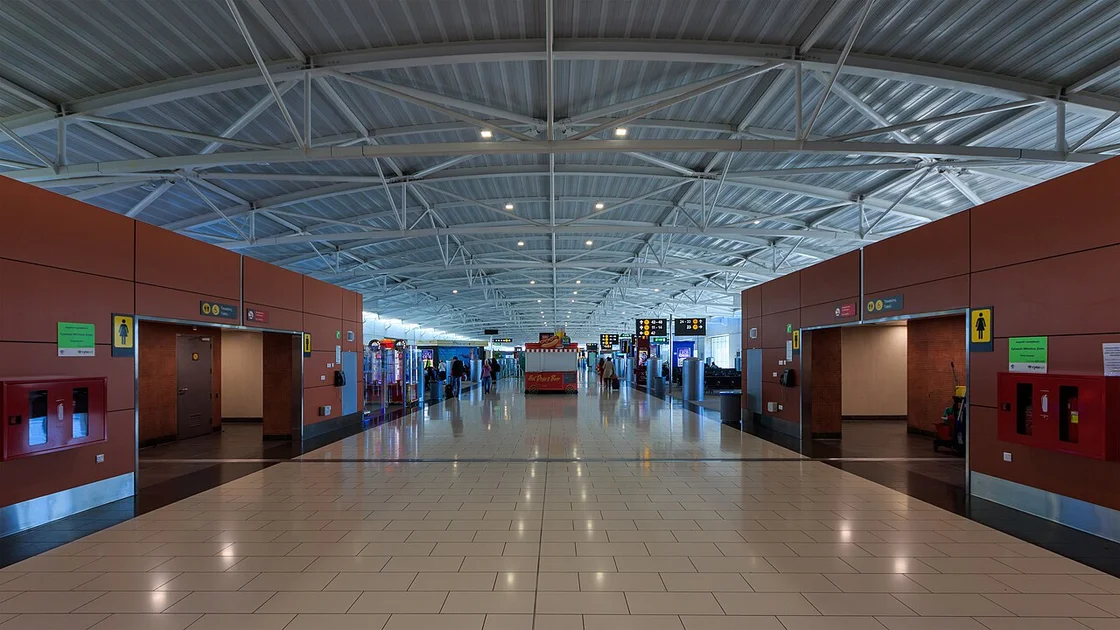
Larnaca International Airport is the busiest airport in Cyprus, handling the majority of the island's international passenger traffic. It connects the city to dozens of destinations across Europe, the Middle East, and beyond. The airport underwent significant expansion in recent decades to accommodate growing passenger numbers, which regularly exceed eight million annually in peak years.
Tourism and Commerce
Tourism represents a cornerstone of the local economy. The Finikoudes promenade, lined with palm trees along the seafront, anchors the city's tourist district and is flanked by restaurants, cafes, and hotels. Larnaca's beaches, including the popular Mackenzie Beach near the airport, offer clear waters and a range of water sports facilities.
The city also hosts a growing number of technology and financial services companies, partly due to Cyprus's favorable corporate tax environment and its position as a European Union member state since 2004.
Living in Larnaca
Beyond tourism, Larnaca has developed into an attractive destination for expatriates and remote workers seeking a Mediterranean lifestyle with relatively affordable living costs compared to other European coastal cities.
Education and Healthcare
The city is served by several public and private schools, as well as proximity to higher education institutions across Cyprus. Healthcare infrastructure includes general hospitals and private clinics that meet European Union standards, contributing to the quality of life for both residents and long-term visitors.
Local Traditions and Events
Larnaca hosts several notable annual events, including the Kataklysmos Festival, also known as the Festival of the Flood. Celebrated fifty days after Easter, it is unique to Cyprus and draws large crowds to the seafront with music, dancing, water games, and folk performances. The city also observes the feast day of Saint Lazarus each spring with religious processions and cultural celebrations that reflect its deep Orthodox Christian heritage.
From its ancient archaeological sites and Byzantine churches to its modern airport and bustling waterfront, Larnaca offers a layered experience that reflects both the history and the contemporary character of Cyprus.
Comments