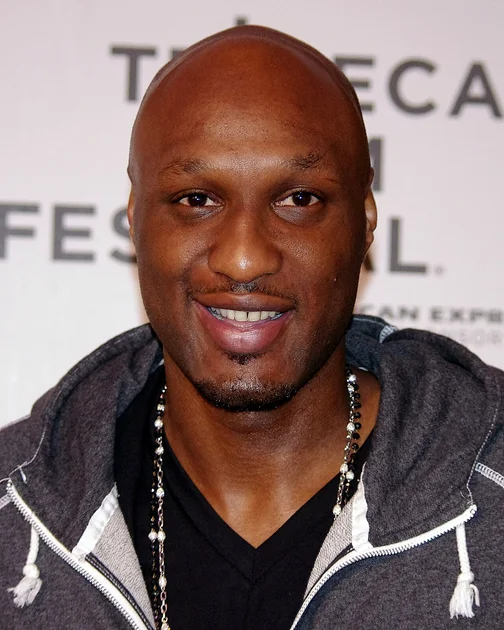
Lamar Odom Back in the Headlines: What Is Happening Now
Lamar Odom, the two-time NBA champion and former Los Angeles Lakers forward, has once again captured public attention as new developments surrounding his personal life, recovery journey, and post-basketball career emerge. The 44-year-old, whose life has been a recurring story of professional brilliance shadowed by personal turmoil, is generating renewed interest across social and traditional media platforms.
Odom, who won back-to-back NBA championships with the Lakers in 2009 and 2010 and earned the NBA Sixth Man of the Year Award in 2011, has long been one of professional basketball's most compelling and tragic figures. His name trending in 2025 is a reminder that his story — one of extraordinary talent, devastating setbacks, and persistent attempts at redemption — continues to resonate deeply with fans and observers alike.
A Life Defined by Extremes
Few athletes in modern sports history have experienced the dizzying heights and catastrophic lows that have characterized Odom's adult life. At his peak, he was considered one of the most versatile players in the NBA — a 6-foot-10 forward with the ball-handling and vision of a guard, capable of impacting games in ways that defied conventional positional labels. His partnership with Kobe Bryant and Pau Gasol helped define a Lakers dynasty in the late 2000s.
Yet even during his playing days, whispers of substance abuse issues followed Odom. It was only after his retirement that the full scope of his struggles became widely known.
The Near-Death Experience That Changed Everything
In October 2015, Odom was found unconscious at a Nevada brothel after reportedly consuming a combination of drugs and herbal supplements. He was rushed to a Las Vegas hospital and placed on life support, with family and medical staff unsure whether he would survive. The incident shocked the sports world and drew massive media coverage, in part due to his high-profile marriage to Khloé Kardashian, which had only recently ended in divorce proceedings.
Odom survived — a fact he has described in interviews as nothing short of miraculous. He reportedly suffered multiple strokes and kidney failure during the episode, and his road to recovery was long, painful, and very public. He documented much of his experience in his 2019 memoir, Darkness to Light, in which he candidly discussed addiction, infidelity, the deaths of loved ones, and his turbulent relationship with fame.
A Recovery That Has Never Been Straightforward
Since 2015, Odom's recovery has been marked by both progress and setbacks. He has spoken openly in various media appearances about the ongoing nature of addiction — that it does not end with a single moment of clarity but requires constant vigilance and support. His story draws important parallels to broader public health conversations around addiction in professional sports, where the pressures of performance, media scrutiny, and sudden wealth can create environments that are particularly hazardous for those with underlying vulnerabilities.
This reflects a wider trend seen across professional sports, where figures like Odom have helped destigmatize conversations about mental health and substance use. Much like how other athletes navigating career transitions and personal crises have stepped into advocacy roles, Odom has increasingly used his platform to discuss recovery in candid terms. The NBA, for its part, has expanded its mental health and substance abuse support programs significantly over the past decade, a shift partly influenced by high-profile cases like Odom's.
Why Lamar Odom Still Matters to Sports and Popular Culture
Odom's continued presence in public discourse is not simply a function of nostalgia. His story sits at the intersection of multiple urgent cultural conversations: the mental health crisis among professional athletes, the impact of reality television on personal identity, the intersection of Black masculinity and vulnerability, and the long-term consequences of addiction on physical and cognitive health.
His marriage to Khloé Kardashian — which played out partly on the reality show Khloé & Lamar — introduced him to a global audience that extended far beyond traditional basketball fans. That crossover appeal means his personal narrative continues to matter to audiences who may have little interest in the sport itself.
For sports journalists and cultural commentators, Odom represents a cautionary tale that is also, crucially, a story of survival. He is alive when, by many medical accounts, he should not be. That fact alone gives him a platform and a moral authority on the subject of addiction that few public figures can claim. His willingness to speak honestly about failure — something that remains rare among high-profile athletes — has earned him a degree of respect that transcends his basketball legacy.
Looking Ahead: Reinvention and Relevance
As Odom continues to navigate life in the public eye, questions remain about what the next chapter of his story will look like. He has explored boxing, entrepreneurship, and advocacy work in recent years, and each venture has brought a fresh wave of media coverage. Whether or not any of these pursuits lead to sustained success, the public appetite for his story shows no signs of waning.
In an era where athletes' lives beyond their sport receive as much attention as their performance within it — much as Robin Thicke Returns to the Spotlight: Music, Controversy, and a Career Defined by Reinvention illustrates for figures in entertainment — Odom occupies a unique space. He is simultaneously a former elite competitor, a survivor, and a reluctant symbol of the human cost of fame. His story, still unfinished, continues to unfold in public view.
Comments