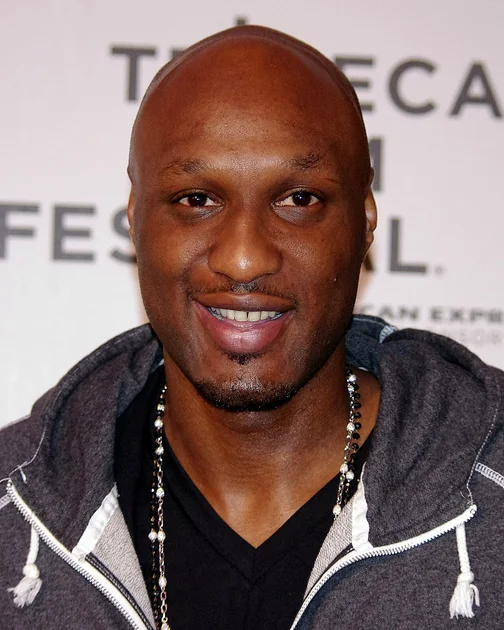
Lamar Odom Back in the Public Eye Amid Fresh Concerns
Lamar Odom is once again drawing significant public attention, as recent appearances and statements have raised new questions about his health and well-being. The former NBA champion, who has spent years navigating a very public struggle with addiction and personal setbacks, has surfaced in media reports following a series of social media posts and public sightings that have sparked widespread concern among fans and observers alike.
Odom, 45, rose to prominence as a key contributor to the Los Angeles Lakers' back-to-back NBA championship teams in 2009 and 2010, and later became a household name beyond basketball through his high-profile marriage to Khloé Kardashian. His near-fatal overdose in October 2015 at a Nevada brothel brought his health struggles into brutal focus, and since then, his journey has been watched closely by the public and sports media alike.
What Triggered the Latest Wave of Attention
Recent videos and images circulating online have prompted fans and commentators to express worry over Odom's current physical condition. While no official medical statements have been released and Odom himself has not issued a formal response at the time of writing, the wave of concern mirrors past episodes in which public scrutiny followed signs of instability. Representatives have not confirmed or denied specifics, leaving much of the conversation to speculation fueled by social media discourse.
Why Lamar Odom's Story Continues to Resonate
The renewed attention around Lamar Odom is not occurring in a vacuum. His story has long been emblematic of the complicated intersection between athletic greatness, celebrity culture, and the very human vulnerabilities that both can obscure. At his peak, Odom was considered one of the most versatile players in professional basketball — a 6-foot-10 forward with the ball-handling skills of a guard and the court vision of a point guard. He won the NBA Sixth Man of the Year Award in 2011, cementing his reputation as an elite role player.
But his trajectory off the court has been far more turbulent. Odom has spoken publicly about childhood trauma, the deaths of loved ones, drug addiction, and the psychological toll of life in the spotlight. His 2015 collapse was a turning point that left him in a coma, and doctors reportedly prepared family members for the worst. His recovery, while remarkable in medical terms, has never been complete or linear — a reality he has acknowledged in interviews over the years.
For those following his story closely, this latest chapter fits an all-too-familiar pattern. As detailed in earlier coverage, Lamar Odom's Ongoing Battle: Addiction, Recovery, and Life After the NBA in the Spotlight Again, the former Laker has repeatedly cycled through periods of apparent stability followed by public concern, making it difficult to assess where he truly stands at any given moment.
The Role of Celebrity and Social Media in Amplifying Vulnerability
One of the defining features of Odom's post-NBA life has been the way social media and celebrity culture have amplified every development — positive or negative. Unlike athletes who fade quietly into private life after retirement, Odom has remained a figure of intense public interest, partly due to his Kardashian ties and partly because his story carries genuine emotional weight. That visibility, while sometimes a platform for recovery advocacy, also means that moments of struggle are immediately magnified and widely disseminated.
This dynamic is not unique to Odom. Many former professional athletes face the challenge of transitioning out of a high-performance environment while managing health issues, financial pressures, and the psychological aftermath of a career defined by extreme physical demands.
What This Moment Reflects About Athlete Well-Being and Public Accountability
The recurring nature of concern around Lamar Odom raises broader questions about how society engages with public figures dealing with addiction and mental health challenges. There is a tension between the public's genuine concern, media responsibility, and the individual's right to privacy and dignity during vulnerable moments.
Advocates in the addiction recovery space have long argued that public figures like Odom can serve an important role in destigmatizing addiction — but only when their stories are told with care and accuracy, rather than sensationalism. The impulse to share alarming videos or speculate about someone's condition, even when driven by concern, can do more harm than good.
As Odom's situation continues to develop, the hope among supporters remains consistent: that he has access to the support systems, medical care, and personal stability that long-term recovery requires. Whether this latest moment represents a setback or a misread by an anxious public remains to be seen. What is clear is that the world is still watching — and that Lamar Odom's journey is far from over.
Comments