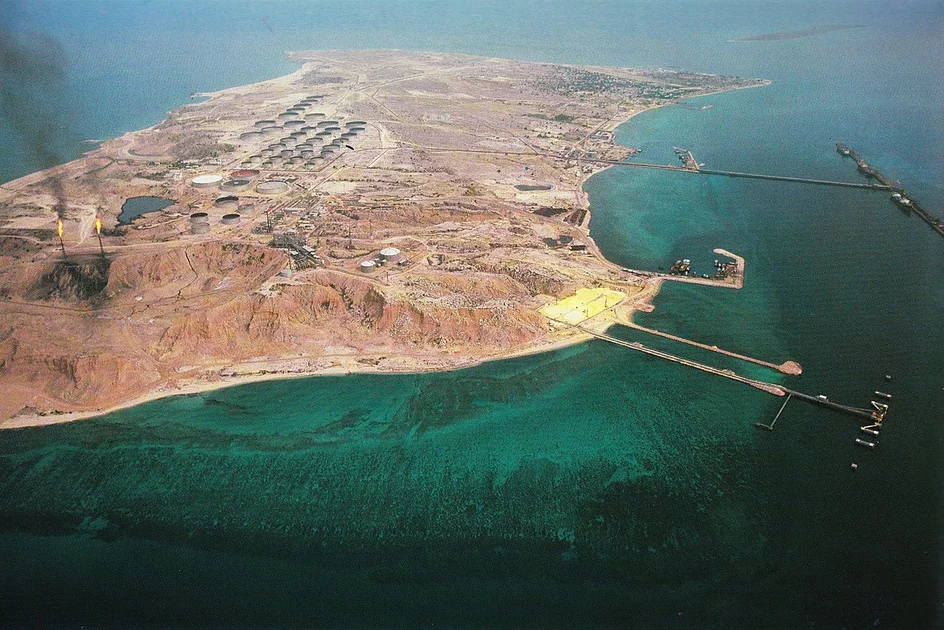
Iran's Oil Hub at the Center of a Geopolitical Storm
Kharg Island, a small but strategically vital piece of land in the northeastern Persian Gulf, has once again emerged as a focal point of global energy and security concerns. Responsible for handling approximately 90 percent of Iran's crude oil exports, the island's operational status carries enormous weight for both Tehran's economy and international oil markets. Recent developments surrounding Iran's nuclear negotiations, escalating sanctions enforcement, and growing naval tensions in the Persian Gulf have placed Kharg Island under heightened scrutiny from governments, energy traders, and security analysts alike.
The island's port infrastructure and export terminals represent the beating heart of Iran's petroleum economy. Any disruption — whether caused by military action, infrastructure failure, or a tightening of international restrictions on Iranian oil shipments — would have immediate and measurable consequences for global crude supply, particularly in Asian markets that have continued purchasing Iranian oil despite Western pressure.
Why Kharg Island Matters Right Now
The renewed focus on Kharg comes against a backdrop of intensifying diplomatic friction between Iran and Western powers. Stalled nuclear talks, the reimposition and tightening of U.S. sanctions under successive administrations, and Iran's continued advancement of its uranium enrichment program have all contributed to an atmosphere of uncertainty. At the same time, shipping intelligence firms have reported increased monitoring of tanker movements in and around the island's loading terminals, with shadow fleet vessels — older tankers operating outside mainstream insurance and regulatory frameworks — continuing to ferry Iranian crude to buyers in China and elsewhere.
This situation is closely tied to broader instability in the waterways surrounding the island. The Strait of Hormuz, through which roughly 20 percent of the world's traded oil passes, has seen its own share of alarming incidents in recent months, including conflicting signals from U.S. officials regarding naval escorts and mine threats. As explored in coverage of the Strait of Hormuz in Crisis: Deleted Posts, Mine Threats, and Conflicting U.S. Signals Rattle Global Oil Markets, the broader Persian Gulf region is navigating a period of acute uncertainty that directly implicates facilities like Kharg Island.
The Strategic and Economic Stakes
Iran's Dependence on Kharg Island Exports
For Iran, Kharg Island is not merely an infrastructure asset — it is an economic lifeline. Oil revenues, though significantly reduced from their peak due to decades of sanctions, remain central to the Iranian government's budget and its capacity to fund military, social, and political priorities. The Islamic Republic has invested heavily in maintaining and upgrading Kharg's loading and storage capacity, even as international pressure has made importing critical equipment and technology increasingly difficult.
Iran's ability to route oil exports through Kharg has also become a test of its sanctions evasion capabilities. Tehran has grown adept at ship-to-ship transfers, falsifying cargo documentation, and leveraging networks of intermediary buyers to keep crude flowing. These methods, while imperfect, have allowed Iran to maintain a level of export revenue that insulates the regime from the full economic impact of Western sanctions.
Regional Military Dynamics
Beyond economics, Kharg Island carries significant military symbolism. During the Iran-Iraq War of the 1980s, the island was repeatedly targeted by Iraqi airstrikes in an effort to cripple Iran's oil revenue. The memory of that vulnerability has shaped Iranian defense doctrine ever since, with the Islamic Revolutionary Guard Corps (IRGC) maintaining a robust protective posture around the island and its surrounding waters. Any perceived threat to Kharg's operational continuity is likely to be met with a strong Iranian response, raising the potential for miscalculation in an already tense environment.
This military dimension feeds into a broader pattern of Iranian assertiveness in the Gulf, including the seizure of commercial vessels, harassment of naval ships, and the deployment of fast attack craft. Questions about the role of Iran's leadership in calibrating these risks have also drawn attention — a dynamic discussed in the context of Mojtaba Khamenei and Iran's Succession Crisis: The Rise of the Supreme Leader's Son, which examines the internal power dynamics shaping Tehran's strategic decisions.
Broader Implications for Global Energy Security
The situation surrounding Kharg Island reflects a wider fragility in the global energy system. Years of underinvestment in alternative supply chains, the ongoing energy transition, and the persistence of geopolitical conflict in key producing regions have left markets vulnerable to precisely the kind of supply shock that a significant disruption at Kharg would represent.
For oil-importing nations, particularly those in Asia that have maintained commercial ties with Iran, the calculus is increasingly complex. Cheap Iranian crude offers economic advantages, but exposure to supply interruptions and the risk of secondary sanctions from the United States create significant liabilities. Energy ministries across Asia are quietly reassessing their contingency plans.
For the United States and its allies, Kharg Island represents both a pressure point and a risk. The ability to threaten Iranian oil revenues through sanctions enforcement is a key lever of diplomatic coercion — but the potential for escalation, especially in a region where multiple military forces operate in close proximity, demands careful management. As tensions continue to simmer across the Persian Gulf, Kharg Island will remain one of the most closely watched pieces of real estate in the global energy landscape.
Comments