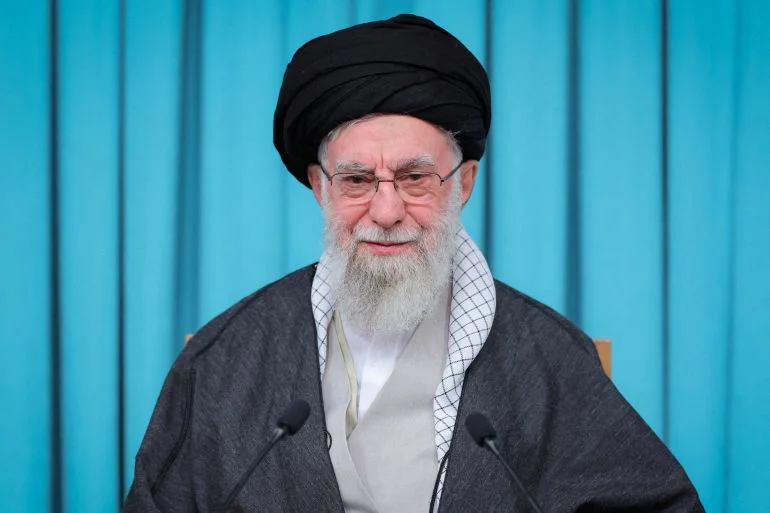
The Viral Claim: What Is Being Said
Periodically, social media platforms and certain online news outlets ignite with sensational headlines claiming that Iran's Supreme Leader Ali Khamenei has been killed, often attributing his alleged death to Israeli military or intelligence operations. These claims tend to surge during periods of heightened tensions between Israel and Iran, particularly following major regional events such as missile exchanges, proxy conflicts, or targeted assassinations of Iranian military figures.
As of the time of writing, Ali Khamenei is alive. No credible international news agency, governmental body, or verified intelligence source has confirmed his death. The Islamic Republic of Iran's state media continues to broadcast his statements and activities, and he has made public appearances that have been independently verified. Any claim stating that Israel killed Khamenei should be treated with extreme caution and scrutinized carefully before being accepted or shared.
Why These Rumors Spread: The Information Warfare Context
The Role of Disinformation in Middle East Geopolitics
The Middle East is one of the most active theaters of information warfare in the world. State and non-state actors routinely deploy disinformation campaigns to destabilize adversaries, influence public opinion, and create confusion during military conflicts. Iran and Israel, locked in a decades-long shadow war, are both subjects and sometimes sources of competing narratives.
Rumors about the death of senior leaders serve several strategic purposes: they can cause temporary panic within the targeted government, test the reaction of adversaries, gauge the loyalty of internal factions, and generate psychological pressure without direct military engagement. In this context, the periodic surfacing of "Khamenei is dead" claims fits a recognizable pattern of psychological operations.
Social Media as an Amplifier
Platforms like X (formerly Twitter), Telegram, and YouTube have dramatically accelerated the spread of unverified claims. Bot networks, anonymous accounts, and even well-meaning users who fail to verify sources can push a false story to millions of viewers within hours. During periods of active conflict — such as the April 2024 Iranian drone attack on Israel or Israel's retaliatory strikes — the information environment becomes particularly volatile, and fabricated stories gain traction far more easily.
Israel's Real Operations Against Iranian Leadership: What Has Actually Happened
Targeted Killings: A Documented History
While claims about Khamenei's death remain false, Israel has carried out documented and alleged operations against key figures within Iran's military and nuclear establishment. The assassination of General Qasem Soleimani in January 2020 — though carried out by the United States — demonstrated how decisively a top Iranian commander could be eliminated. Israel has been linked to the killings of several Iranian nuclear scientists over the years, including Mohsen Fakhrizadeh, who was assassinated in November 2020 in a sophisticated operation reportedly involving remote-controlled weapons.
In 2024, Israel conducted a direct strike on Iran's consulate in Damascus, killing senior IRGC commanders including General Mohammad Reza Zahedi. These operations represent a genuine and escalating campaign of targeted pressure, but they are categorically different from the killing of the Supreme Leader himself, which would constitute an extraordinary act of war with global consequences.
Why Targeting Khamenei Directly Remains Unlikely
From a strategic standpoint, directly killing the Supreme Leader of Iran would represent a massive escalation that most analysts believe Israel has avoided intentionally. Such an act could trigger an all-out regional war, provoke retaliatory strikes against Israeli civilian infrastructure, and draw in global powers. Israel's documented strategy has focused instead on degrading Iran's military capabilities, disrupting its nuclear program, and eliminating operational commanders — not on decapitating the political-religious leadership of the state.
How to Identify and Avoid Misinformation
Verification Tools and Red Flags
When encountering claims about the death of a world leader, several verification steps are essential. First, check major international wire services such as Reuters, AP, and AFP — if a story of this magnitude were true, it would be their top headline immediately. Second, look for official statements from the Iranian government and state broadcaster IRIB. Third, use reverse image search tools like Google Images or TinEye to check whether photographs accompanying the claim are old or taken out of context.
Common red flags include anonymous sources, no publication date, sensationalist language, and rapid spread across low-credibility websites. These are hallmarks of deliberately crafted disinformation designed to provoke emotional reactions before critical thinking kicks in.
Conclusion: The Importance of Critical Thinking in a Volatile Region
The repeated emergence of false claims about Khamenei's death at the hands of Israel reflects the deeply unstable information environment surrounding Middle Eastern geopolitics. While the conflict between Israel and Iran is very real — involving proxy warfare, cyberattacks, and targeted assassinations of military figures — the death of Ali Khamenei by Israeli action has not occurred and remains unverified fiction.
For readers, journalists, and policymakers alike, the lesson is consistent: extraordinary claims demand extraordinary evidence. In an era where disinformation can shape public sentiment and even influence military decisions, media literacy is not merely a personal skill — it is a matter of regional and global security.
Comments