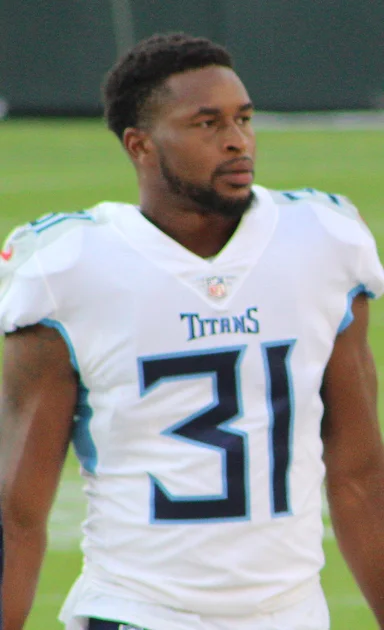
Eagles Cut Ties with Kevin Byard in Surprising Defensive Shake-Up
The Philadelphia Eagles have released veteran safety Kevin Byard, marking a significant moment in the team's ongoing effort to reshape their roster ahead of the 2025 NFL season. The move ends a relatively brief but notable tenure with the Eagles for one of the most accomplished safeties of his generation. Byard, 31, had joined Philadelphia after being released by the Tennessee Titans — the franchise where he spent the bulk of his career — and had hoped to extend his relevance with a Super Bowl-contending squad.
The decision was not entirely unexpected. With the Eagles actively managing their salary cap and evaluating younger defensive talent, retaining Byard at his contract value became increasingly difficult to justify from a pure roster-construction standpoint. The release becomes official as the NFL offseason intensifies, leaving Byard free to seek opportunities elsewhere in what could be a defining chapter of his late career.
The Details Behind the Move
By releasing Byard, the Eagles free up a meaningful chunk of cap space that can be redirected toward other roster needs, including reinforcing the offensive line and potentially addressing wide receiver depth. The Eagles' front office, led by general manager Howie Roseman, has consistently demonstrated a willingness to make difficult decisions when the long-term roster calculus demands it — even when the player in question is well-regarded in the locker room and community.
Byard played in a reduced role during his time with Philadelphia, as the Eagles navigated a deep defensive backfield that included younger contributors stepping into larger responsibilities. While his veteran presence and football IQ were valued, the team appeared to be prioritizing a transition toward a younger, more cost-effective secondary.
Kevin Byard's Legacy and Career Context
To understand the weight of this moment, it is essential to recognize just how accomplished Byard has been throughout his NFL tenure. Selected by the Tennessee Titans in the third round of the 2016 NFL Draft, Byard quickly developed into one of the premier safeties in the league. He was named to multiple Pro Bowls, led the NFL in interceptions in 2017 with eight picks, and became the defensive cornerstone of a Titans team that frequently punched above its weight.
His years in Nashville defined him — a hard-hitting, instinctive center fielder capable of erasing entire halves of the field. His leadership qualities were equally renowned, earning him the team's defensive captaincy year after year. When the Titans eventually parted ways with him, it was widely seen as a financially motivated decision rather than a reflection of any perceived decline.
From Tennessee to Philadelphia — and Beyond
Byard's move to the Eagles was viewed with optimism. Philadelphia's defensive system, under coordinator Vic Fangio, is sophisticated and demands experienced, versatile safety play. For a time, the pairing looked promising. However, the NFL is an unforgiving business, and roster realities tend to override sentiment. His release raises an immediate and pressing question: which team will pursue his services next?
Several franchises with safety needs could emerge as logical landing spots. Teams rebuilding their secondaries or searching for a veteran presence to mentor younger defensive backs would find significant value in Byard. His ability to read quarterbacks, communicate defensive assignments, and deliver in big moments remains intact, making him an attractive option for contenders and rebuilding teams alike. Much like how NFL franchises constantly recalibrate their rosters — as detailed in analyses of teams such as the New York Giants navigating linebacker transitions — veteran players of Byard's caliber rarely remain unsigned for long.
Broader Implications for the NFL Safety Market and Aging Veterans
Byard's release is more than a transaction — it is a reflection of broader structural pressures in the modern NFL. The league has grown increasingly reluctant to carry aging, high-priced veterans at positions like safety, where youth, athleticism, and scheme versatility are increasingly prized over experience alone. The economics of the salary cap continue to compress the careers of accomplished players, forcing many to accept reduced roles or mid-season signings on short-term contracts.
For Byard specifically, the coming weeks will be telling. If he chooses to continue playing, he will likely need to accept a different kind of contract — one that prioritizes playing time and winning over financial compensation. There is precedent for players of his caliber finding second winds in new environments. The question is whether Byard, who has never shied away from competition, is willing to embrace that path.
From a league-wide perspective, his situation also underscores the ongoing conversation about how teams value — or undervalue — the intangibles that veteran leaders bring to a locker room. Younger players can be developed into statistical contributors, but the calming, culture-shaping influence of a player like Byard is far harder to quantify and even harder to replace. As NFL rosters continue to trend younger across the board, stories like Byard's will become increasingly common, challenging franchises to find the right balance between financial prudence and roster wisdom.
For now, the football world watches and waits to see where Kevin Byard lands next — and whether he has one more chapter left to write.
Comments