
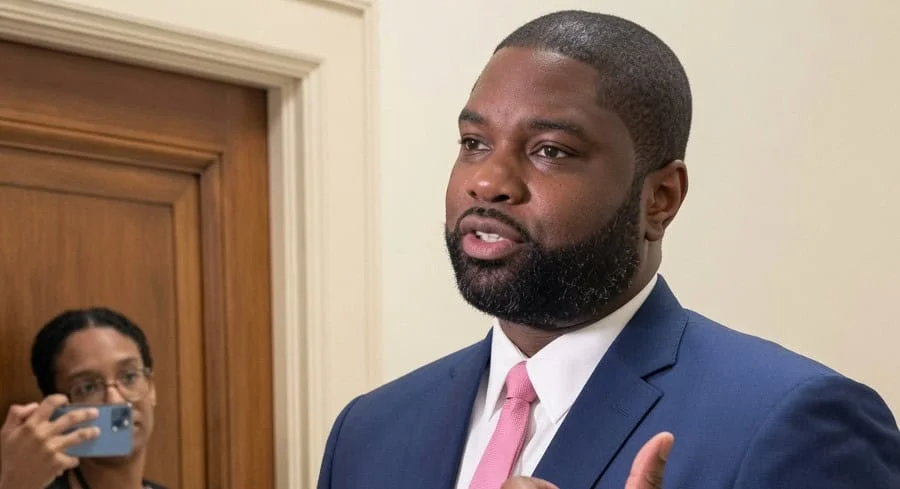
PolitiFact Pushes Back on Donalds Ad
A new PolitiFact analysis is challenging a central claim in U.S. Rep. Byron Donalds’ attack ads against Democratic gubernatorial nominee David Jolly, finding that Donalds overstates Jolly’s offshore drilling lobbying while ignoring Jolly’s later anti-drilling record. The fact-check, published by the Tampa Bay Times on Oct. 18, comes as the two candidates sprint toward the November ballot in one of the nation’s most closely watched governor’s races.
According to PolitiFact, Jolly attended a 2011 meeting as a lobbyist with a client who supported a broad energy bill that sought to expand offshore drilling in Florida. Donalds’ campaign has seized on that meeting to portray Jolly as a friend of the oil industry. But PolitiFact found the ad misleading because it omits Jolly’s subsequent work against offshore drilling, including his record as a congressman representing Pinellas County’s coast.
The fact-check is the latest flashpoint in a race that has drawn national attention as Democrats seek to flip the Florida governor’s mansion and Republicans aim to hold onto a state that has trended red in recent cycles.
Tampa Bay Times Endorses Jolly
The fact-check landed just two days after the Tampa Bay Times editorial board endorsed Jolly over Donalds, calling him the better choice for Florida’s next governor. In a recommendation published Oct. 16, Times Publishing Co. chairman and CEO Conan Gallaty and Viewpoints Editor Graham Brink wrote that Jolly “faces Republican Byron Donalds on the November ballot” and framed the contest as a clear choice for voters.
The endorsement is significant in a state where the Times remains one of the most influential editorial voices, particularly in the vote-rich Tampa Bay region. It also signals that Jolly, a former U.S. representative, has consolidated support among the state’s more moderate and independent-leaning editorial institutions.
But the endorsement also highlighted vulnerabilities. A separate Times column criticized Jolly’s hurricane insurance plan as “risky, regressive, unprecedented,” suggesting that while the editorial board favors him overall, his policy proposals are drawing scrutiny.
Jolly Takes Campaign to the Streets
On Saturday, Jolly brought his family to a “No Kings” protest in Wellington, where he spoke about threats to democracy and urged attendees to make their voices heard, according to CBS12. The appearance underscores Jolly’s strategy of appealing to grassroots energy and democratic-themed messaging as he seeks to energize Democratic and independent voters in a state that has become increasingly difficult for Democrats.
The “No Kings” protests have emerged as a national flashpoint in recent months, drawing crowds opposed to what organizers describe as authoritarian tendencies in government. By appearing with his family, Jolly is aiming to project a personal, accessible image — a contrast his campaign hopes will resonate with suburban voters and moderate Republicans uneasy with Donalds.
Offshore Drilling Becomes a Battleground
The offshore drilling dispute is more than a campaign-trail spat. Florida’s coastline is central to its economy and identity, and proposals to expand drilling have long been politically toxic in the state — particularly after the 2010 Deepwater Horizon spill. Donalds’ ad attempts to tie Jolly to the oil industry, while Jolly’s allies counter that his record shows he fought to protect Florida’s beaches.
PolitiFact’s conclusion that Donalds “overstates” the lobbying connection and “ignores” Jolly’s anti-drilling record could blunt the ad’s effectiveness. But in a race where outside groups and super PACs are expected to spend heavily, the fact-check may simply become another data point in a larger messaging war.
What the Race Signals
The Florida governor’s race is shaping up as a test of whether Democrats can compete in a state that has drifted toward Republicans in recent elections. Jolly, a former Republican-turned-Democrat, represents an unusual attempt to build a coalition of moderates, independents, and disaffected Republicans. Donalds, a staunch ally of former President Donald Trump, is running on a more traditional conservative platform.
The fact-check fight over offshore drilling reflects the broader dynamic: with few policy differences that are easy to explain, both campaigns are reaching for character and credibility arguments. For voters, the question may come down to which candidate they trust to protect Florida’s environment and economy — and which one they believe is telling the truth about the other.
As early voting begins in Tampa Bay on Monday, the race is entering its final, most intense phase. The next few weeks will determine whether Jolly’s late momentum and editorial backing can overcome Donalds’ advantages in a state that has favored Republicans in recent statewide contests.
For now, the PolitiFact finding gives Jolly a fact-based rebuttal to one of the Donalds campaign’s most visible attacks — and gives voters one more piece of information to weigh as they head to the polls.
Comments