
Jaguar Type 01 Makes World Debut
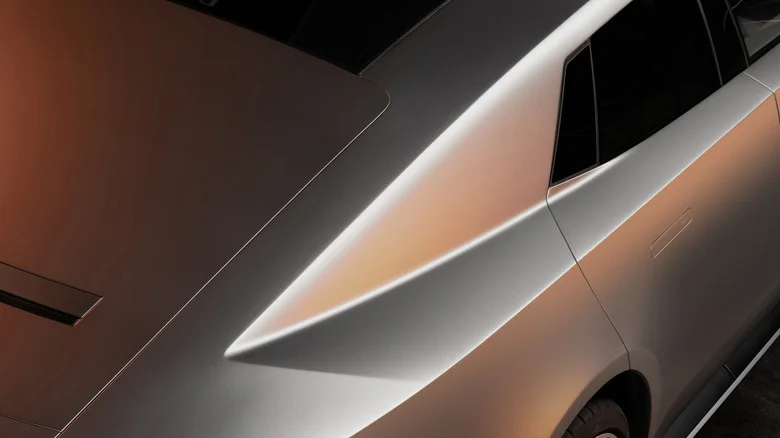
Jaguar has taken the wraps off the Type 01, its first-ever electric vehicle and the cornerstone of a radical rebranding effort. The production-spec model was revealed on October 6 in New York, following a leaked image that circulated just hours before the official unveiling. The Type 01 is a four-door electric grand tourer that stays remarkably true to the polarizing concept that previewed it.
Powertrain and Performance
Under the skin, the Type 01 packs a tri-motor electric powertrain producing a net 1,015 horsepower and 1,007 pound-feet of torque. According to Car and Driver, that’s enough to launch the big sedan from 0 to 60 mph in just 3.1 seconds. The Supercar Blog reported earlier estimates of over 1,000 hp and 959 lb-ft, but final figures have settled higher. Deliveries are slated to begin in mid-2027, with pricing expected to land between $120,000 and $130,000—though Autocar suggests a UK price of around £150,000.
Design: A Bold Departure
The Type 01 is nothing if not dramatic. It features a long hood, a cabin set far back, and a tapering rear end that does away with a traditional rear window in favor of a camera-mirror setup. The charging port on the front fender is unusually large, a detail Jaguar says was dictated by body castings and proportion. Inside, the cabin adopts a neo-retro theme with a small vertical touchscreen, a wide digital driver display, and a two-spoke steering wheel. However, the low roofline and tiny windows compromise headroom and entry, especially in the rear.
Context: A Make-or-Break Moment for Jaguar
The Type 01 arrives at a critical juncture for Jaguar. The brand has ceased production of its internal-combustion models and is betting its future on an all-electric lineup. This is not just a new car; it’s a complete reset of the marque’s identity, aiming to move upmarket and compete with the likes of Porsche and Bentley.
Controversy and Criticism
The design has sparked intense debate. Early reactions from enthusiasts and industry observers have been sharply divided. Some, like former Jaguar designer Ian Callum, have publicly criticized the styling, with Callum reportedly saying, “a Jaguar should be beautiful, and that’s not.” Others defend the boldness, arguing that Jaguar needed to shock the world to be noticed. The leaked image, which Jaguar requested be removed, only fueled the fire, giving critics an early target.
Technical and Practical Challenges
Beyond aesthetics, the Type 01 faces practical questions. The tiny rear doors and compromised trunk space—large enough for only a couple of bags—suggest that form has taken precedence over function. The massive charging port, while necessary, adds to the unconventional look. Jaguar’s decision to abandon its core combustion customer base and dealer support for older models has also raised concerns about resale value and brand loyalty.
Perspective: A Litmus Test for Legacy Automakers
The Jaguar Type 01 is more than a new model; it’s a high-stakes experiment in reinvention. Legacy automakers are watching closely as Jaguar attempts to leapfrog into the luxury EV space with a design-led, high-performance flagship. If successful, it could prove that even storied brands can radically transform. If not, it may serve as a cautionary tale about alienating tradition.
Broader Industry Trends
The Type 01 joins a wave of high-end EVs, but its tri-motor setup and 1,000-plus horsepower place it in rarefied air. It also reflects a growing trend of automakers using flagship EVs to redefine brand image, much like Mercedes-Benz did with the EQS. However, Jaguar’s approach is more radical, eschewing conservative styling for a love-it-or-hate-it statement. As the auto industry transitions to electric, the Type 01 will be a bellwether for how much risk legacy brands can afford.
For now, all eyes are on Jaguar. The Type 01 is set to go on sale in 2027, and its reception will determine whether this gamble pays off or becomes a footnote in automotive history.
Comments