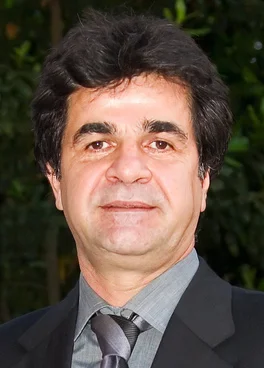
Jafar Panahi is one of the most celebrated and controversial filmmakers in contemporary world cinema. Known for his humanist storytelling, innovative techniques, and relentless defiance of political restrictions, he has earned international recognition despite decades of persecution by Iranian authorities. His work continues to influence filmmakers and inspire audiences around the globe.
Early Life and Career Beginnings
Origins and Education
Born on July 11, 1960, in Mianeh, a city in northwestern Iran, Jafar Panahi developed an interest in filmmaking from an early age. He studied at the College of Cinema and Television in Tehran, where he honed his technical skills and artistic vision. His education laid the groundwork for a career that would eventually challenge the boundaries of Iranian cinema.
Apprenticeship Under Abbas Kiarostami
Before establishing himself as a director, Panahi worked as an assistant director to the legendary Abbas Kiarostami, one of Iran's most celebrated filmmakers. This collaboration proved formative. He assisted Kiarostami on the acclaimed film Through the Olive Trees (1994), gaining invaluable experience in directing naturalistic, socially engaged narratives. Kiarostami later co-wrote the screenplay for Panahi's debut feature, cementing a lasting artistic bond between the two directors.
Breakthrough Films and International Recognition
The White Balloon and Early Success
Panahi's directorial debut, The White Balloon (1995), was a quietly powerful film following a young girl's quest to buy a goldfish in Tehran. The film won the Caméra d'Or at the Cannes Film Festival, immediately establishing him as a major voice in world cinema. Its simple premise belied a deeply compassionate portrait of childhood and urban life in Iran.
The Circle and Offside
His subsequent works deepened his reputation for socially critical storytelling. The Circle (2000) examined the lives of women navigating the constraints of Iranian society and won the Golden Lion at the Venice Film Festival. Crimson Gold (2003), written by Kiarostami, explored class inequality through the perspective of a pizza delivery man.
Offside (2006) tackled gender segregation in Iran by depicting young women attempting to attend a national football match disguised as men. The film won the Silver Bear Grand Jury Prize at the Berlin International Film Festival and became a reference point in discussions about women's rights in Iran.
Legal Troubles and Filmmaking Under Restrictions
Arrest and Travel Ban
Jafar Panahi's outspoken support for the 2009 Green Movement protests in Iran placed him in direct conflict with the Islamic Republic's authorities. In 2010, he was arrested and subsequently sentenced to six years in prison and a 20-year ban on directing films, writing screenplays, giving interviews, and leaving the country. The international film community widely condemned the sentence.
Filmmaking in Defiance
Rather than cease his creative work, Panahi continued making films clandestinely, finding inventive ways to produce and distribute his work abroad. This Is Not a Film (2011), co-directed with Mojtaba Mirtahmasb, was smuggled out of Iran on a USB drive hidden inside a cake and premiered at the Cannes Film Festival. The film documented a day in his life under house arrest and served as both a personal statement and an artistic provocation.
He went on to direct Closed Curtain (2013), Taxi (2015) — which won the Golden Bear at Berlin — and 3 Faces (2018), for which he received the Best Screenplay award at Cannes. Each of these films demonstrated his ability to transform personal and political constraints into compelling cinematic experiences.
Further Imprisonment
In 2022, Panahi was imprisoned again after voluntarily going to a Tehran prosecutor's office to inquire about the arrest of fellow directors Mohammad Rasoulof and Mostafa Aleahmad. He was held for several months before being released in February 2023 following a hunger strike and sustained international pressure. His case continued to draw global attention to issues of artistic freedom and human rights in Iran.
Legacy and Global Impact
Jafar Panahi's body of work represents a sustained commitment to humanist filmmaking under extraordinary circumstances. His films have received top honours at all three of the world's most prestigious film festivals — Cannes, Venice, and Berlin — a distinction shared by very few directors.
Beyond awards, his example has inspired a generation of filmmakers working in politically restrictive environments. Organizations such as PEN International and Amnesty International have repeatedly advocated on his behalf, while prominent directors worldwide, including Pedro Almodóvar and Martin Scorsese, have publicly defended him.
His career raises enduring questions about the relationship between art and political power, the role of cinema in documenting lived experience, and the resilience of creative expression in the face of state censorship. Jafar Panahi remains an active and vital figure in global cinema, continuing to assert the right to tell stories regardless of the obstacles placed before him.
Comments