Strikes Continue as Tensions Reach a New High
The conflict between Iran and Israel has entered a markedly more volatile phase in recent weeks, with both sides trading direct and proxy strikes at a pace not seen in decades of regional rivalry. Israeli airstrikes have targeted Iranian military infrastructure, including missile storage facilities and drone production sites, while Iran has responded with ballistic missile barrages and drone swarms aimed at Israeli territory.
Israeli Prime Minister Benjamin Netanyahu has reaffirmed his government's position that Israel will continue to act preemptively against any Iranian capability deemed an existential threat. Iran's Supreme Leader Ali Khamenei, for his part, has vowed that any aggression will be met with overwhelming retaliation, framing the conflict in ideological terms before a domestic audience increasingly strained by war footing and economic pressure.
Key Figures and Numbers
According to Israeli defense officials, the Iron Dome and Arrow missile defense systems have intercepted the vast majority of incoming projectiles, though several communities in northern and central Israel have sustained damage. Iranian state media claims that its strikes have succeeded in penetrating Israeli air defenses, a claim Israeli authorities have disputed. Casualty figures on both sides remain difficult to independently verify, but humanitarian organizations have flagged rising civilian risk across the region.
The United States has reinforced its military presence in the Eastern Mediterranean, deploying additional carrier strike groups while urging restraint through back-channel diplomacy. Washington's posture remains one of active deterrence, signaling it will defend Israeli territory while seeking to avoid a broader regional war.
Why the Iran-Israel War Matters Beyond the Region
The stakes of this conflict extend well beyond the Middle East. Global oil markets have reacted sharply to each new escalation, with Brent crude spiking above $90 per barrel on multiple occasions following major strike announcements. Iran's position as a significant oil exporter, combined with the strategic chokepoint of the Strait of Hormuz, means that any sustained disruption to shipping lanes could send energy prices soaring worldwide.
For a deeper understanding of how the confrontation evolved into its current form, Israel and Iran on the Brink: A New Phase of Confrontation Reshaping the Middle East provides essential background on the strategic miscalculations and red lines that brought both nations to this point.
The Proxy Network and Regional Spillover
Iran's network of proxy forces — including Hezbollah in Lebanon, Houthi fighters in Yemen, and militia groups in Iraq and Syria — has added multiple layers of complexity to the conflict. Israeli operations in Lebanon have intensified, targeting Hezbollah weapons convoys and command infrastructure. Houthi drone and missile attacks on commercial shipping in the Red Sea have drawn additional Western naval responses, further internationalizing a conflict that neither side publicly sought to widen but neither has moved credibly to contain.
For a detailed account of the direct strike exchanges that have defined the conflict's most recent chapter, Iran Strikes Israel: A Comprehensive Overview of the Escalating Conflict traces the sequence of events with precision.
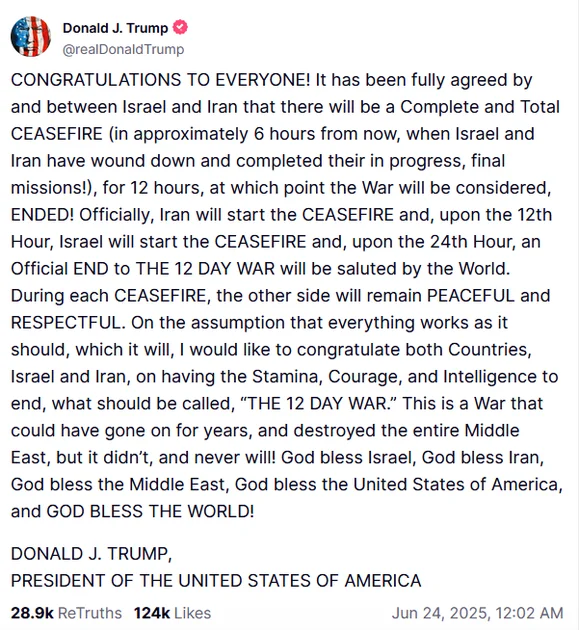
Diplomatically, ceasefire proposals floated by Qatar and mediated in part by European intermediaries have so far failed to gain traction. Both Tehran and Jerusalem appear locked into domestic political dynamics that make de-escalation politically costly in the short term.
What This Changes for Global Security
The Iran-Israel war is no longer a shadow conflict fought through proxies and covert operations. It has become an overt military confrontation between two heavily armed regional powers, each with significant deterrent capabilities and each with powerful external backers. That shift carries consequences that will outlast any ceasefire or negotiated pause.
For global investors, the conflict is already registering as a systemic risk factor. Energy markets, defense procurement cycles, and supply chain stability across Asia and Europe are all being recalibrated in light of a prolonged confrontation scenario. The possibility of the conflict drawing in wider actors — most critically the United States and Russia, which maintain divergent interests in the region — remains a concern at the highest levels of international security planning.
At the same time, Iran faces compounding internal pressures. Economic sanctions, social unrest, and an uncertain succession landscape following the death of President Raisi have left the Islamic Republic navigating the war from a position of domestic fragility. How Tehran manages the gap between revolutionary rhetoric and material capability will shape the conflict's next chapter as much as any battlefield development.
What is clear is that the region has crossed a threshold. The rules of engagement that kept the Iran-Israel rivalry below the threshold of open war for four decades have broken down, and rebuilding any form of deterrence stability will require diplomatic architecture that does not yet exist.
Comments