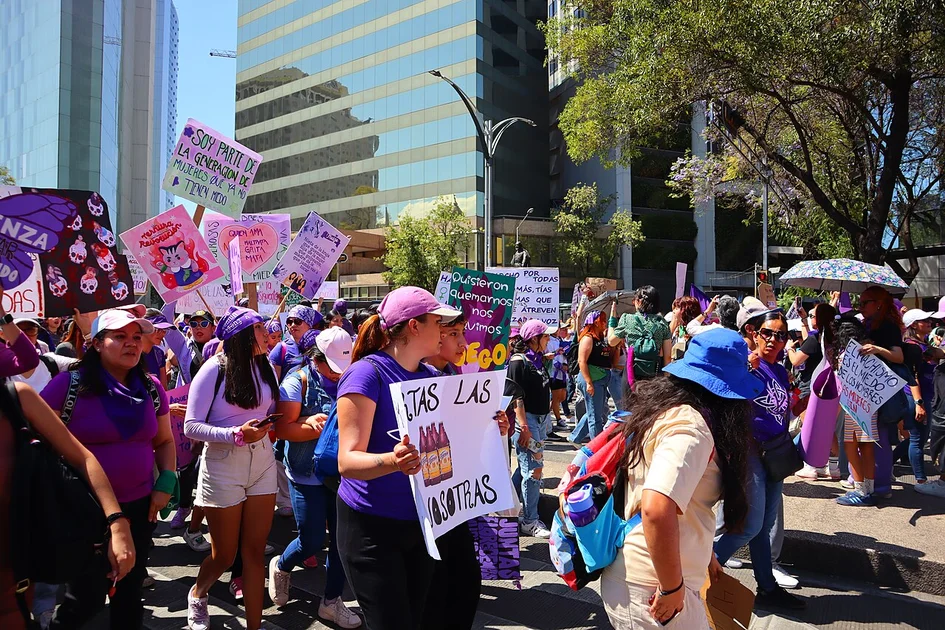
International Women's Day, observed annually on March 8th, is one of the most recognized global observances dedicated to celebrating women's social, economic, cultural, and political achievements. It also serves as a call to action for accelerating gender equality around the world.
Origins and Historical Background
The roots of International Women's Day stretch back to the early twentieth century, emerging from labor movements in North America and Europe.
Early Labor Movements
The first National Woman's Day was observed in the United States on February 28, 1909, organized by the Socialist Party of America. The following year, at the International Conference of Working Women held in Copenhagen, Clara Zetkin proposed the establishment of an international day to advocate for women's rights. Her proposal was adopted unanimously by delegates from seventeen countries.
United Nations Recognition
International Women's Day was first celebrated in Austria, Denmark, Germany, and Switzerland on March 19, 1911, with over one million people participating in rallies. The date shifted to March 8th in 1913, and it has remained fixed on that date ever since. The United Nations began celebrating the day in 1975, which had been designated as International Women's Year, and it has since become a globally recognized observance supported by governments, NGOs, and institutions worldwide.
Themes and Annual Campaigns
Each year, International Women's Day is marked by a specific theme that reflects current priorities in the global gender equality movement.
The Role of the United Nations Theme
The United Nations selects a new theme annually to focus attention on specific aspects of women's rights and empowerment. Past themes have included "Gender Equality Today for a Sustainable Tomorrow" (2022), "DigitALL: Innovation and Technology for Gender Equality" (2023), and "Inspire Inclusion" (2024). These themes guide discussions, events, and campaigns organized by governments, corporations, and civil society groups around the world.
The #IWD Campaign Colors and Symbols
Purple, green, and white are the traditional colors associated with International Women's Day, originally drawn from the Women's Social and Political Union in the United Kingdom in 1908. Purple represents dignity and justice, green symbolizes hope, and white represents purity. These colors continue to feature prominently in events and communications related to the day.
Global Celebrations and Observances
International Women's Day is marked in diverse ways across different countries, ranging from public demonstrations to cultural events and government-led initiatives.
Celebrations Around the World
In many countries, March 8th is a public holiday. Russia, Ukraine, Vietnam, and several other nations officially recognize the day, with traditions that include gifting flowers and cards to women in personal and professional settings. In Italy, it is customary to give mimosa flowers. In the United States and the United Kingdom, events focus heavily on gender pay gap discussions, women's representation in leadership, and awareness campaigns.
Corporate and Institutional Participation
Businesses and institutions increasingly use International Women's Day as an opportunity to highlight gender diversity initiatives, announce policy changes, and spotlight female leadership. Many organizations publish data on gender parity within their workforces and outline commitments to improvement. Educational institutions hold lectures, panel discussions, and workshops addressing topics such as women in STEM, leadership development, and reproductive rights.
Key Issues Highlighted on International Women's Day
The observance draws attention to a wide range of issues that affect women globally, many of which remain ongoing challenges.
Gender Pay Gap
One of the most consistently discussed issues is the gender pay gap. According to data from the World Economic Forum's Global Gender Gap Report, women earn significantly less than men across most industries and countries. Progress has been made, but full economic parity remains a distant goal in many regions.
Women in Leadership
Representation of women in political and corporate leadership roles continues to be a central concern. As of recent data, women hold approximately 26% of parliamentary seats worldwide, according to UN Women. In corporate settings, the proportion of women in executive roles remains well below parity in most sectors.
Education and Health
Access to education and healthcare for women and girls remains unequal in many parts of the world. International Women's Day provides a platform to spotlight disparities in literacy rates, maternal health, and access to reproductive services, particularly in low-income countries.
International Women's Day continues to serve as both a moment of reflection on progress achieved and a renewed call for action on the many challenges that women and girls still face globally. Its enduring relevance reflects the ongoing work needed to achieve genuine and lasting gender equality.
Comments