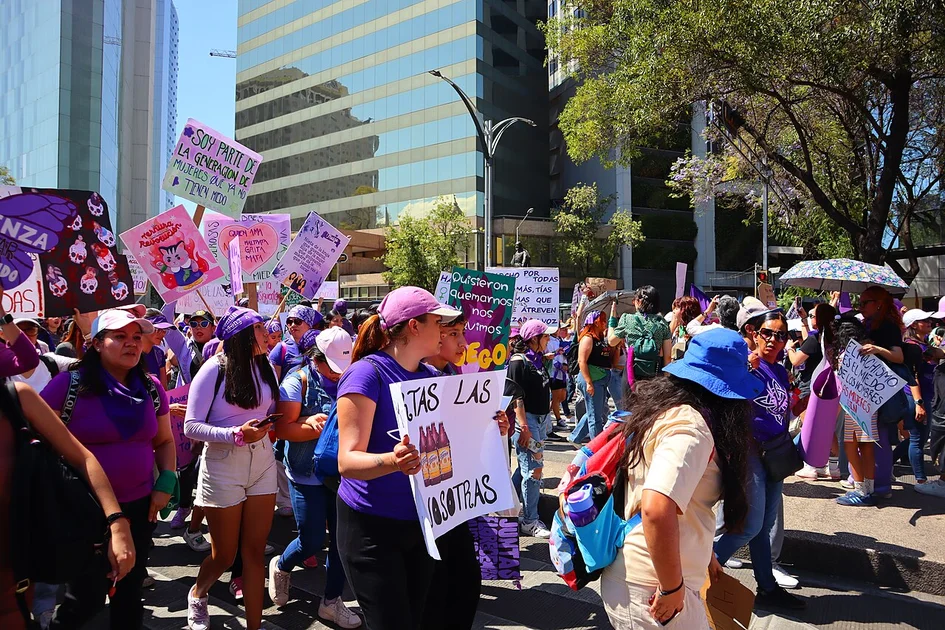
International Women's Day, observed annually on March 8, is a global event that honors the social, economic, cultural, and political achievements of women. It also serves as a call to action for accelerating gender equality worldwide. Recognized by the United Nations and celebrated in countries across every continent, this day holds deep historical roots and continues to evolve with modern movements.
The Origins of International Women's Day
Early Labor Movements and the First Celebrations
The origins of International Women's Day trace back to the early 20th century, when rapid industrialization sparked growing labor movements. On February 28, 1909, the Socialist Party of America organized the first National Woman's Day in New York City, honoring a garment workers' strike from the previous year. Thousands of women had walked out of factories to protest poor wages and working conditions.
In 1910, German activist Clara Zetkin proposed at the International Socialist Women's Conference in Copenhagen that an international day be established to champion women's rights. The following year, in 1911, the first official International Women's Day was celebrated in Austria, Denmark, Germany, and Switzerland, with over one million people attending rallies.
United Nations Recognition
The United Nations began celebrating International Women's Day in 1975, during International Women's Year. In 1977, the UN General Assembly officially invited member states to proclaim March 8 as the UN Day for Women's Rights and World Peace. Since then, the day has carried an annual theme to focus global attention on specific issues related to gender equality.
Themes, Campaigns, and Global Significance
Annual Themes and Their Purpose
Each year, the United Nations assigns a theme to International Women's Day to highlight a particular aspect of women's rights and gender parity. Recent themes have addressed issues such as digital inclusion, climate leadership, and equal participation in public life. These themes guide events, discussions, and campaigns held by governments, NGOs, corporations, and community organizations around the world.
The campaign theme "#ChooseToChallenge," used in 2021, encouraged individuals to call out gender bias and inequality. In 2024, the theme "Invest in Women: Accelerate Progress" emphasized the economic case for closing gender gaps in education, healthcare, and employment.
The Color Purple and Symbolic Traditions
Purple is the signature color most closely associated with International Women's Day. Historically, the colors purple, green, and white were adopted by the Women's Social and Political Union in the United Kingdom in 1908. Purple represents justice and dignity, green symbolizes hope, and white represents purity. Many participants wear purple clothing or ribbons on March 8 as a visual symbol of solidarity.
How International Women's Day Is Celebrated Worldwide
Government and Institutional Events
Governments in many countries use March 8 as an opportunity to announce policy reforms, launch initiatives, or release gender-related data. In some nations, International Women's Day is a public holiday, including Russia, Ukraine, Vietnam, Cuba, and several others. Official ceremonies, award presentations, and parliamentary debates focusing on women's issues are common on this date.
Corporate and Community Initiatives
Companies around the world participate in International Women's Day through internal events, mentorship programs, panel discussions, and diversity pledges. Many organizations publish reports on their gender pay gap or outline commitments to improving representation at leadership levels.
At the community level, schools, nonprofits, and local groups organize educational events, art exhibitions, film screenings, and volunteer activities. Social media platforms see significant spikes in activity around hashtags such as #IWD and #InternationalWomensDay, creating a global digital conversation.
Recognition of Women's Achievements
A core element of the day is celebrating the contributions of women across all fields — from science, politics, and business to arts, sports, and activism. Awards and honors are frequently presented to women who have made significant impacts in their communities or professions. These acts of recognition help highlight role models and inspire future generations.
The Ongoing Relevance of International Women's Day
Despite decades of progress, significant gender gaps remain globally. According to the World Economic Forum's Global Gender Gap Report, full gender parity at the current rate of change could take over 130 years to achieve. Disparities persist in areas such as equal pay, political representation, access to education, and freedom from gender-based violence.
International Women's Day functions not only as a celebration but also as a platform to measure how far the world has come and how far it still needs to go. Through education, advocacy, and collective action, the day continues to mobilize individuals and institutions toward a more equitable future for women and girls everywhere.
Comments