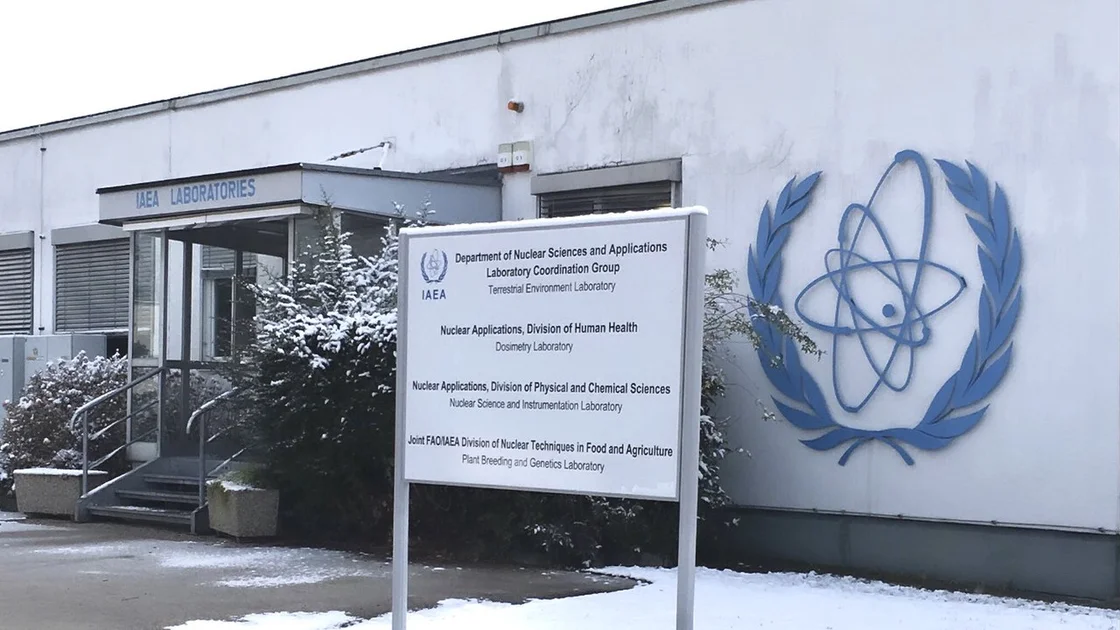
What Is the IAEA?
The International Atomic Energy Agency, commonly known as the IAEA, is an autonomous intergovernmental organization that operates under the auspices of the United Nations system. Founded in 1957 and headquartered in Vienna, Austria, the agency serves as the world's central intergovernmental forum for scientific and technical cooperation in the nuclear field. It also functions as the global nuclear inspectorate, working to ensure that nuclear materials and technologies are used for peaceful purposes.
As of 2024, the IAEA has 178 member states, making it one of the most widely represented international organizations in existence. Its work spans three core pillars: nuclear safety and security, safeguards and verification, and science and technology for development.
Origins and Founding
The IAEA was established on July 29, 1957, following U.S. President Dwight D. Eisenhower's "Atoms for Peace" speech delivered to the United Nations General Assembly in 1953. Eisenhower called for international cooperation in developing nuclear energy for civilian purposes while reducing the threat posed by nuclear weapons. This vision led to the drafting of the IAEA Statute, which was approved in 1956 and entered into force the following year.
Core Functions of the IAEA
Nuclear Safeguards and Non-Proliferation
One of the most critical roles the IAEA plays is verifying that nuclear materials are not diverted from peaceful uses to military programs. This is achieved through a system of safeguards — technical measures such as inspections, monitoring, and analysis — that allow the agency to independently verify the accuracy of declarations made by member states regarding their nuclear materials and activities.
The IAEA administers safeguards agreements under the Treaty on the Non-Proliferation of Nuclear Weapons (NPT), which remains a cornerstone of the global non-proliferation regime. Countries that sign the NPT commit to allowing IAEA inspectors access to their nuclear facilities. The agency has played a central role in high-profile verification cases, including nuclear programs in Iran, North Korea, and Iraq.
Nuclear Safety and Security
Beyond non-proliferation, the IAEA works actively to strengthen nuclear safety standards worldwide. It develops internationally recognized safety standards and guidelines that member states are encouraged to adopt. After major nuclear accidents, such as Chernobyl in 1986 and Fukushima in 2011, the IAEA led international response efforts and contributed to improving safety protocols across the nuclear industry.
The agency also works on nuclear security — preventing the theft or misuse of radioactive materials that could be used in dirty bombs or other malicious acts. This includes programs to help countries secure their nuclear facilities and manage radioactive sources responsibly.
The IAEA's Role in Peaceful Nuclear Applications
Energy and Climate
As the world faces growing pressure to reduce carbon emissions, nuclear power has returned to the global policy conversation. The IAEA actively supports member states — especially developing countries — in assessing the feasibility of nuclear energy programs. It provides technical assistance, training, and policy guidance to countries looking to introduce or expand nuclear power as part of their energy mix.
The agency also tracks global nuclear energy trends. According to the IAEA, nuclear power currently provides about 10% of the world's electricity and avoids approximately 1.5 gigatons of CO₂ emissions annually — a contribution that has renewed interest from policymakers seeking low-carbon alternatives.
Nuclear Technology in Medicine and Agriculture
Nuclear techniques serve far more than energy generation. The IAEA coordinates international projects that apply nuclear technology to improve human health, food security, and environmental protection. Nuclear medicine techniques, such as positron emission tomography (PET) scans and radiation therapy, rely on isotopes and methods that the agency helps make accessible to lower-income nations.
In agriculture, the IAEA works with the Food and Agriculture Organization (FAO) through a joint program to use nuclear and isotopic techniques to improve crop varieties, manage water resources, and combat animal diseases — contributing directly to food security in vulnerable regions.
Leadership and Governance
Structure of the Organization
The IAEA is governed by two main bodies: the General Conference, in which all member states participate and meet annually, and the Board of Governors, a 35-member body that meets regularly throughout the year to oversee the agency's day-to-day policy direction. The Director General leads the Secretariat and serves as the agency's chief executive.
Rafael Mariano Grossi of Argentina has served as Director General since December 2019. Under his leadership, the IAEA has significantly expanded its public engagement and played a visible role in monitoring nuclear safety issues related to the conflict in Ukraine, particularly regarding the Zaporizhzhia Nuclear Power Plant.
Nobel Peace Prize Recognition
In 2005, the IAEA and its then Director General Mohamed ElBaradei were jointly awarded the Nobel Peace Prize for their efforts to prevent nuclear energy from being used for military purposes and to ensure nuclear power is used in the safest possible way.
The IAEA continues to occupy a unique and indispensable position in international affairs, balancing the dual mandate of promoting nuclear technology's benefits while guarding against its most dangerous misuses.
Comments