
Huw Edwards Enters National Eisteddfod Poetry Contest Under Pseudonym, Draws Criticism
Disgraced former BBC newsreader Huw Edwards has officially entered this year's National Eisteddfod poetry competition, writing under the pseudonym "Y Gelyn" (The Enemy). The 64-year-old, who received a six-month suspended sentence in September 2024 after admitting to accessing 41 indecent images of children, submitted a poem described as a personal tribute to his late father, Hywel Teifi Edwards. Newyddion S4C has confirmed the entry, which was placed in the third grouping of entries by judges, far from winning.
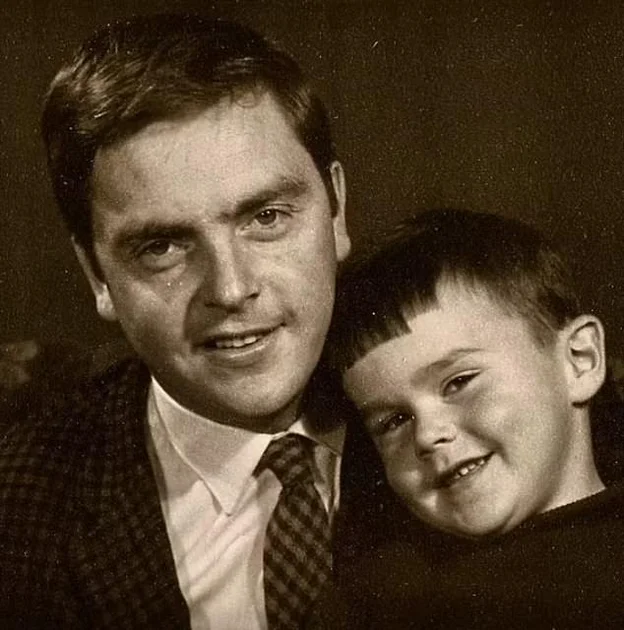
Edwards announced his submission in a post on his Substack blog on Sunday, stating he had "attempted to write a poem" for the first time, drawing inspiration from the festival's theme, Adnabod (Knowing). The poem, titled "Knowing me, knowing you, ahaa," reflects on hidden battles, judgment, shame, and grief. He described it as "above all a personal tribute" to his father, a celebrated academic and Eisteddfod historian who died in 2010.
Survivor Calls Entry "Hurtful" and "Far Too Soon"
The news has sparked immediate backlash, particularly from survivors of child sexual abuse. Actress Sera Cracroft, known for her role in Pobol y Cwm and a survivor herself, criticised Edwards' decision sharply. "Had he won, the image of him being crowned in front of the nation is hurtful to survivors," she told Newyddion S4C. "It is far too soon for him to try and redeem himself." Cracroft also expressed doubt about the effectiveness of Edwards' stated mental health support, saying, "I don't think it's working for him."
The Eisteddfod's anonymous submission process, which keeps entrants' identities sealed until winners are announced, meant judges were unaware of his participation. However, the confirmation of his entry has reignited public debate about his attempts at a comeback and the appropriateness of his public presence.
Context: From BBC's Top Newsreader to Convicted Offender
Edwards was once one of the BBC's highest-paid and most trusted newsreaders, anchoring major national events for over two decades. His career collapsed in July 2024 when he pleaded guilty to three counts of making indecent images of children. The charges related to 41 images shared via WhatsApp, including seven of the most serious category. He was handed a six-month prison sentence, suspended for two years, and was subsequently axed by the BBC.
Since his conviction, Edwards has sought to re-enter the public sphere. He launched a Substack newsletter on June 24, 2026, promising commentary and analysis while stating his intention to make a "positive contribution" around mental health. The platform has already drawn criticism from child safety campaigners. In recent posts, he expressed "abhorrence" for his offences but also declared he was "not a child rapist," describing his crime as "clicking on files sent to me by someone else." He has noted his sentence will become spent on September 16.
The move comes just weeks after Channel 5 broadcast a drama, Power: The Downfall of Huw Edwards, starring Martin Clunes. Edwards issued a statement dismissing the show as a "one-sided account," hinting at future opportunities to "state my case."
His former publicist, Barry Tomes, who briefly represented him pro bono, has also spoken out. Tomes revealed that after their second meeting, he knew he could not work with Edwards long-term, leaving the former presenter increasingly isolated professionally.
Perspective: A Deliberate Provocation or a Cry for Help?
Edwards' Eisteddfod entry, with its pseudonym "The Enemy" and its themes of being an "accursed," "defenceless," and "self-destructive" son, appears deliberately provocative. It forces a conversation about whether public redemption is possible for someone convicted of such offences, and at what cost to victims. Cracroft's response underscores the deep hurt such actions cause, framing his attempt as premature and insensitive.
The decision to enter a national cultural competition, where his identity would be concealed but his work judged purely on merit, reveals a man struggling to reintegrate into public life. Yet the poem itself, which reportedly speaks of seeking forgiveness and touching truth, suggests an awareness of his fractured reputation. He accuses the media of "wilfully misrepresenting" his relationship with his father, using the art form to reclaim a personal narrative.
This episode marks a new phase in the public handling of his downfall. No longer a passive subject of documentaries or news reports, Edwards is actively seeking platforms—Substack, poetry, and potential future interviews. The reaction from survivors and the public will likely shape whether his attempt at cultural re-entry is seen as rehabilitation or as a continuation of a pattern of poor judgment. For now, the Eisteddfod has confirmed his poem fell short of the prize, a small mercy for those who found his participation so distressing.
As the debate continues, other news stories also capture public attention. For a break from this heavy topic, some may find interest in lighter fare, such as the King Charles Toasts Summer at Mey Highland Games with Dram of Whisky. Meanwhile, the broader cultural reckoning with Edwards' legacy remains unresolved, with his own words suggesting a long and painful path ahead.
Comments