
Hurricane Polo Makes Landfall in Mexico
Hurricane Polo made landfall along Mexico's northern Pacific coast on Tuesday, bringing life-threatening winds and heavy rain to Baja California Sur. The storm, which had maximum sustained winds of 110 mph (175 km/h) at landfall, struck near the surfing and fishing village of Las Barrancas, according to the BBC.
The U.S. National Hurricane Center (NHC) reported that Polo is moving northeast and is forecast to continue over the Baja California peninsula before making a second landfall in mainland Mexico later Tuesday. Meteorologists warn that the storm could dump 6 to 12 inches (150-300mm) of rain across parts of Baja California Sur, with life-threatening flooding and mudslides possible, especially in steep terrain. A storm surge is also expected to produce significant coastal flooding in areas of onshore winds.
Mexican officials have urged residents in threatened areas to seek shelter. In Puerto San Carlos, a fishing town of about 5,700 people, high tides and pounding waves were already breaching sea barriers Monday, prompting hundreds to evacuate to shelters in schools and other facilities. "Civil Protection told those of us here in San Carlos to evacuate because this is a high-risk area," said Rocío Sánchez, a fisherwoman. "With the current tides, the expected waves and the wind, the earthen barriers they built could give way."
Southern California on High Alert
As Hurricane Polo moves off the Pacific coastline, Southern California is bracing for high surf and potential coastal flooding. Homeowners in Long Beach, still recovering from Hurricane Marie earlier this month, are reinforcing their properties with sandbags and rebuilt berms. The city has also reinforced the boardwalk and seawall that were damaged by Marie's waves over Labor Day weekend.
"The city is taking this a lot more seriously than it did the last time around and is preparing a lot more," said Long Beach resident Marc Coleman. High surf and rip current advisories are in effect through Wednesday for coastal areas of San Diego and Orange counties. Long Beach Fire Asst. Chief Jake Heflin said the city has worked to reinforce its berm and expand the beach ahead of potentially high tides Monday and Tuesday.
Context: A Region Reeling from Back-to-Back Storms
Hurricane Polo's landfall comes just weeks after Hurricane Marie battered similar areas, leaving coastal communities in Southern California and Mexico vulnerable. The back-to-back storms have stretched resources and tested the resilience of residents and local governments.
In Mexico, the threat of flash floods and mudslides is particularly acute in Baja California Sur, where steep terrain can quickly turn heavy rain into deadly cascades. The NHC has warned that Polo could still be at hurricane strength when it makes its second landfall on the mainland, potentially bringing torrential rain to parts of the U.S. Southwest later in the week.
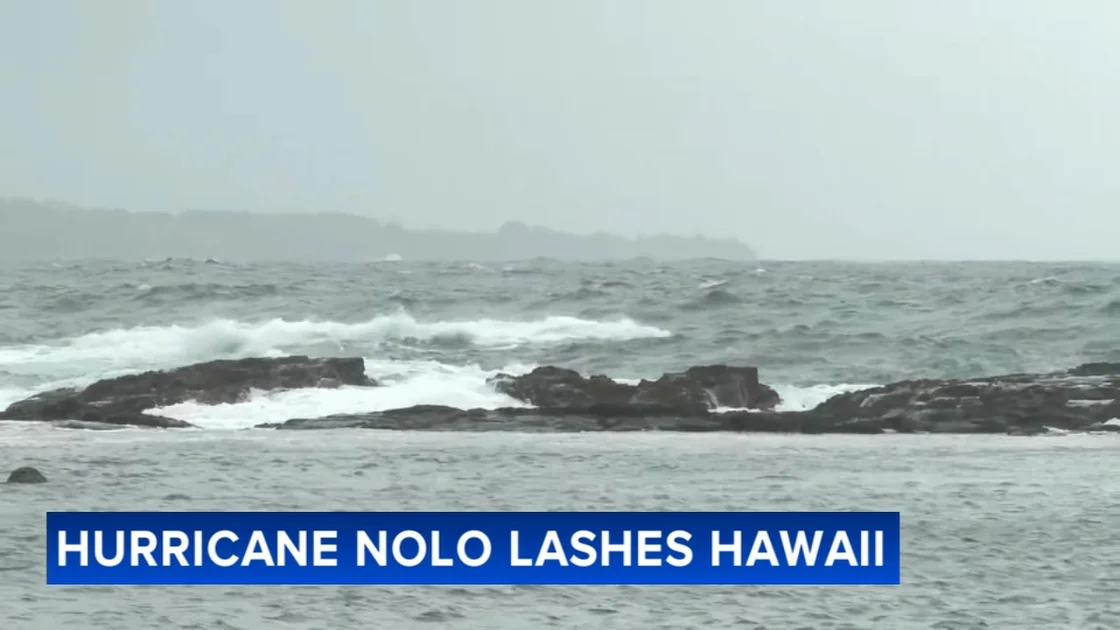
Meanwhile, Hurricane Nolo, though edging away from Hawaii, could still bring torrential rain to parts of the state. The simultaneous threats from multiple storms highlight an active Pacific hurricane season that has already produced significant impacts.
Preparedness and Response
Authorities in Mexico have mobilized shelters and urged evacuations in high-risk areas. In Long Beach, residents like Gary Taylor remain cautious: "I think we're halfway ready for it this time," he said, referring to the city's improved preparations. The city's efforts include securing broken sections of the boardwalk and seawall, and expanding the beach to absorb wave energy.
Perspective: Climate Change and Increasing Storm Threats
The frequency and intensity of hurricanes like Polo and Marie are part of a broader trend of extreme weather events, which scientists link to climate change. Warmer ocean waters provide more energy for storms, leading to heavier rainfall and higher storm surges. Coastal communities are increasingly forced to adapt to these heightened risks, often at great cost.
As Southern California contends with the immediate threat, the region's recent experience with extreme heat underscores the compounding challenges of a changing climate. The need for robust infrastructure and emergency planning has never been more apparent. While Long Beach's improved preparations may mitigate some damage, the repeated battering of the coastline raises questions about long-term sustainability and the need for more resilient solutions.
For now, residents in both Mexico and California are bracing for the worst, hoping that their preparations will be enough to weather yet another powerful storm.
Comments