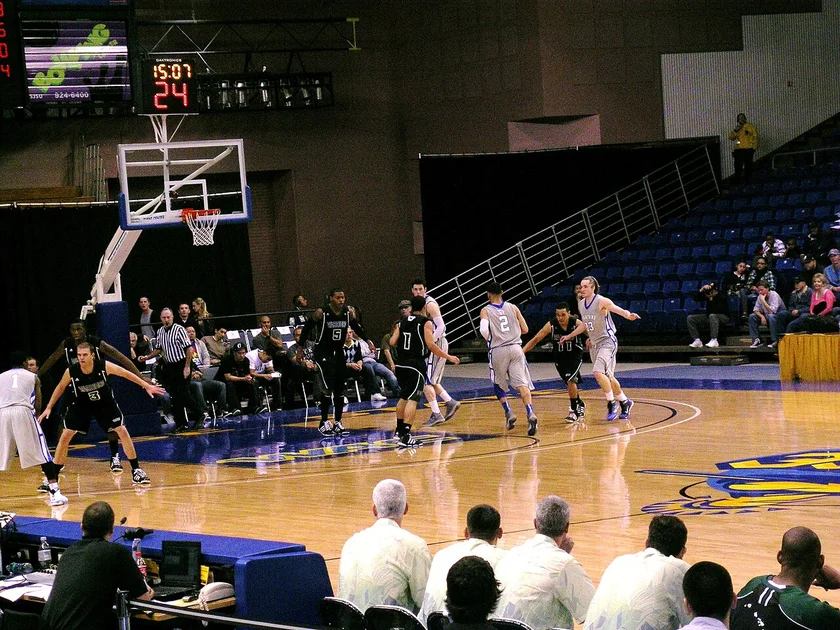
The History of Hawaii Basketball
The University of Hawaii basketball program, officially known as the Rainbow Warriors, has been a fixture of collegiate athletics since its founding in the early 20th century. The program competes in the Big West Conference and plays its home games at the SimpliFi Arena at Stan Sheriff Center in Honolulu, one of the most recognizable venues in college basketball due to its passionate fan base and unique island atmosphere.
Early Years and Program Development
Hawaii's basketball program gained steady recognition through the latter half of the 20th century. The team found its footing in the Western Athletic Conference (WAC) before eventually transitioning to the Big West Conference. During these formative decades, the program built a regional identity and began producing players who would go on to professional careers.
Notable Eras and Achievements
The Rainbow Warriors have experienced several competitive peaks throughout their history. One of the most celebrated periods came under coaches who helped elevate the program's national profile, including notable NCAA Tournament appearances. The program has sent multiple players to the NBA over the years, demonstrating its ability to develop talent at the collegiate level.
The Big West Conference and Current Standing
Hawaii basketball currently competes in the Big West Conference, which includes schools from California and other western states. Competing in this conference presents unique logistical challenges for the Rainbow Warriors, as travel to and from the Hawaiian Islands requires significantly longer flights compared to any other program in college athletics.
Conference Competition and Rivalries
Within the Big West Conference, Hawaii has developed competitive rivalries with programs such as UC Irvine, Long Beach State, and Cal Poly. These matchups draw consistent attention from fans both in Hawaii and across the mainland. The geographic isolation of the program adds an additional layer of intrigue to road and home game dynamics, as visiting teams must travel across the Pacific Ocean to compete.
Home Court Advantage
The Stan Sheriff Center, which seats approximately 10,300 fans, is known for creating one of the louder atmospheres in college basketball. The arena regularly hosts sellout crowds for marquee matchups, and Hawaii fans are widely recognized for their enthusiasm. The home court advantage at this venue has historically been a meaningful factor in the team's performance during conference play.
Key Players and Coaching History
Over the decades, Hawaii basketball has produced a number of standout athletes and has been shaped by several influential head coaches.
Memorable Players
Among the most notable alumni, Anthony Carter stands out as one of the program's all-time greats, going on to an extended NBA career after his time with the Rainbow Warriors. Bob Nash is another former Warrior who made it to the professional level. In more recent years, the program has continued to attract talented recruits from both Hawaii and the continental United States, as well as international players who add depth to the roster.
Coaching Milestones
The coaching history of Hawaii basketball includes figures who left lasting marks on the program. Bob Nash, beyond his playing career, also contributed to the program's development in coaching and administrative roles. More recently, coaches have worked to modernize recruiting strategies and expand the program's national visibility. Eran Ganot served as head coach and worked to build the program's depth before subsequent coaching changes shaped a new direction for the team.
Hawaii Basketball Today and Future Outlook
In the current landscape of college basketball, the Rainbow Warriors face both unique opportunities and ongoing challenges.
Recruiting in a Remote Location
Recruiting for Hawaii basketball requires creative approaches given the program's geographic location. Coaches must persuade athletes to relocate to an island far from the mainland, which can be both an attractive selling point and a deterrent. The appeal of living and studying in Hawaii, combined with competitive athletics, helps the program maintain a compelling pitch to prospective student-athletes.
NIL and Conference Realignment Impacts
Like all college programs, Hawaii basketball is navigating the evolving landscape of Name, Image, and Likeness (NIL) agreements and potential conference realignment. These shifts present both financial opportunities for players and structural decisions for the athletic department. The program's leadership continues to assess how best to position Hawaii basketball for long-term competitiveness within these changing conditions.
Fan Support and Community Engagement
Hawaii basketball enjoys strong support from local communities across the islands. The program serves as an important cultural institution, connecting residents to collegiate athletics and providing young athletes from Hawaii with a pathway to compete at a high level without leaving home. Community outreach programs and youth basketball initiatives further strengthen the bond between the Rainbow Warriors and the people of Hawaii.
Comments