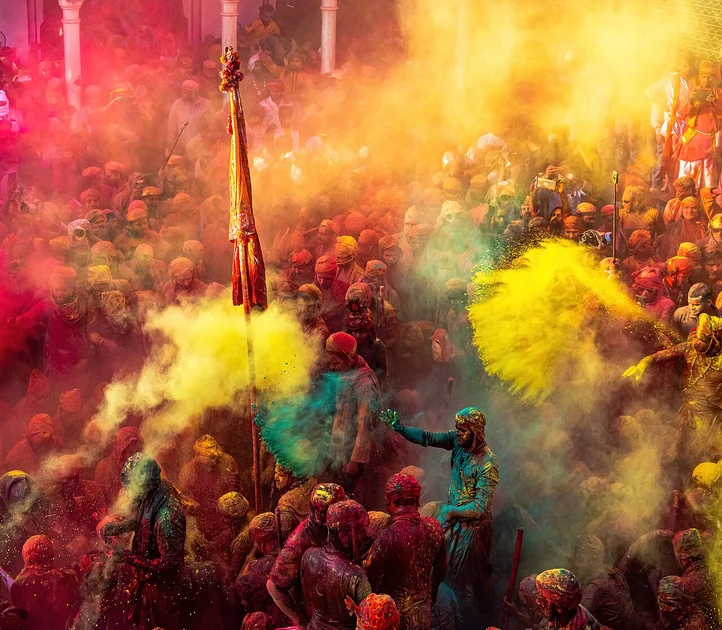
What Is Holi and Why Is It Celebrated?
Holi is one of the most widely recognized Hindu festivals in the world, celebrated annually to mark the arrival of spring and the victory of good over evil. Known affectionately as the Festival of Colors, it brings together people of all ages and backgrounds in a joyful display of colored powders, water, music, and community gatherings.
The festival typically falls on the full moon day of the Hindu month of Phalguna, which usually corresponds to March in the Gregorian calendar. In 2025, Holi is celebrated on March 14th, with the bonfire ritual — known as Holika Dahan — taking place the evening before.
The Mythological Roots of Holi
The origins of Holi are deeply rooted in Hindu mythology. The most widely told story involves Prahlada, a devoted follower of Lord Vishnu, and his demonic father Hiranyakashipu, who demanded worship as a god. Hiranyakashipu's sister, Holika, was believed to be immune to fire. She attempted to kill Prahlada by sitting with him in a bonfire, but divine intervention saved the child while Holika perished. This legend gave rise to Holika Dahan, the ritual bonfire lit on the eve of Holi.
Another popular myth connects the festival to Lord Krishna, who is said to have playfully smeared colors on Radha and her companions — a tradition that evolved into the exuberant color-throwing seen today.
How Happy Holi Is Celebrated
The celebration of Holi spans two days and involves a rich series of rituals, community gatherings, and festive foods. The atmosphere is filled with laughter, music, and the sight of brightly colored participants.
Holika Dahan: The Night Before
On the evening before the main celebration, communities gather around large bonfires to perform Holika Dahan. Families participate in prayers, walk around the fire, and offer coconuts, grains, and flowers. The ritual symbolizes the burning away of negativity and evil, and is observed across India with regional variations.
Playing with Colors
The second day — commonly referred to as Rangwali Holi or Dhuleti — is when the iconic color play takes place. Participants apply dry colored powders called gulal and spray colored water on friends, family, and even strangers. Streets and public spaces transform into vibrant scenes of celebration. Traditional instruments like the dhol (drum) provide rhythm, and people dance and sing folk songs throughout the day.
While natural colors made from flowers and herbs were historically used, synthetic versions are now more common. Health-conscious celebrants are increasingly returning to organic alternatives to protect skin and the environment.
Food and Sweets
No celebration of Holi is complete without traditional foods. Gujiya, a sweet dumpling filled with khoya and dried fruits, is one of the most beloved Holi treats. Other popular foods include thandai (a spiced milk drink), malpua (sweet pancakes), and various regional snacks. Families prepare these dishes at home and share them with neighbors and guests.
Holi Around the World
Over the decades, the spirit of Happy Holi has spread far beyond the Indian subcontinent. Large Hindu diaspora communities in the United States, United Kingdom, Canada, Australia, and across Europe organize vibrant Holi events each year. Cities such as New York, London, and Sydney host public festivals that draw thousands of participants from diverse cultural backgrounds.
Holi in Popular Culture
The global appeal of Holi has grown significantly through social media, travel content, and Bollywood cinema. Colorful Holi imagery is frequently shared online, helping introduce the festival to audiences worldwide. Many travel enthusiasts now include Holi in their bucket lists, with destinations like Mathura and Vrindavan in India being particularly famous for their elaborate celebrations.
Festivals inspired by Holi — such as color runs and powder paint events — have also emerged in Western countries, though these are separate from the religious festival itself.
Tips for Celebrating Holi Safely
For those participating in Holi festivities, a few precautions can help ensure a safe and enjoyable experience. Applying coconut or mustard oil to skin and hair before playing with colors makes post-celebration cleanup easier. Wearing old or white clothing that can withstand staining is strongly recommended.
Choosing certified organic or skin-safe colored powders helps minimize the risk of skin irritation or allergic reactions. Protecting eyes and keeping phones in waterproof covers are also practical measures when engaging in water-based festivities.
Mutual respect plays an important role in Holi celebrations. Asking for consent before applying colors to someone is considered good practice, especially for those who are elderly, pregnant, or have specific health concerns.
Happy Holi remains a festival that celebrates renewal, community, and the triumph of light over darkness — values that resonate across cultures and generations worldwide.
Comments