
Goodell Confirms Two Viable Sites as Chicago Bears Stadium Saga Intensifies
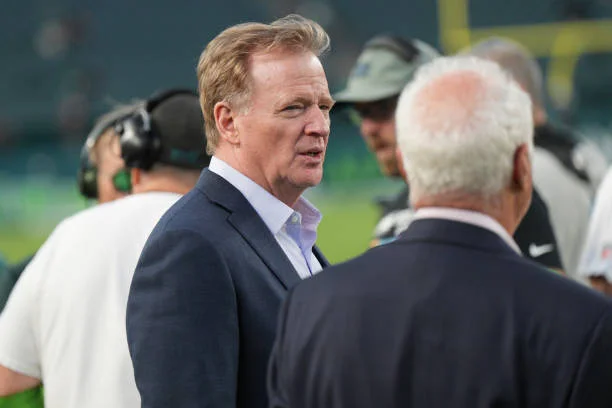
NFL Commissioner Roger Goodell delivered a definitive update on the Chicago Bears’ stadium project on Tuesday, May 19, 2026, following an owners’ meeting in Orlando. Speaking to reporters, Goodell stated that the Bears are now focused exclusively on two “viable” sites: the former Arlington Park racetrack property in Arlington Heights, Illinois, and a location near Wolf Lake in Hammond, Indiana. Notably, Chicago’s Soldier Field is no longer under consideration. “There was a specific update on the Bears on the two sites that are viable in the Bears’ mind,” Goodell said. “That process is going on.”
During the one-day meeting, Bears Chairman George McCaskey and Team President Kevin Warren briefed NFL owners on the team’s stadium and financing plans. The league’s chief spokesman noted that owners are growing impatient for a final decision. The Bears are under pressure to resolve their stadium situation, as the franchise aims to build a domed stadium capable of hosting a Super Bowl. The NFL awarded the 2030 Super Bowl to Nashville at the same meeting, underscoring the urgency for Chicago to secure a venue.
The Two Viable Sites and Political Stakes
Arlington Heights: Tax Breaks and Legislative Hurdles
The Bears purchased the 326-acre former Arlington Park racetrack site three years ago but have yet to break ground. The team is seeking a state bill that would lock in property tax rates for the proposed stadium and surrounding entertainment district. Illinois lawmakers are in the final two weeks of their legislative session, with a May 31 deadline to pass the so-called “mega projects bill.” Governor JB Pritzker emphasized that any deal must benefit taxpayers. “We have a deal on the table with the Bears that works for the Bears and works for the taxpayers,” Pritzker said. However, some lawmakers and activists worry that capping property taxes for the stadium could shift the burden onto local homeowners, potentially raising their rates.
Hammond, Indiana: A $1 Billion Incentive Package
Indiana has offered a heavily taxpayer-supported package worth up to $1 billion to lure the Bears across the state line. The incentives would be funded through a combination of taxes collected around the stadium, a food and beverage tax surcharge in Lake and Porter counties, a hotel tax increase in Lake County, and a 12% ticket surcharge on game-day sales. The proposed Hammond site sits steps away from a Superfund site and the BP Whiting Refinery, the largest refinery in the world, raising environmental concerns among local residents.
Chicago’s Elimination and Political Fallout
Chicago Mayor Brandon Johnson has maintained that the Bears could remain at Soldier Field, but the team has made it clear they have moved on. Governor Pritzker was blunt in his assessment, stating that Mayor Johnson has “no plan” to keep the team in the city. Illinois State Representative Kam Buckner acknowledged the political friction but expressed confidence that the Bears would ultimately choose Illinois over Indiana. “We have put together pieces of a package already that make it very clear that Illinois is a much better option than anything east of our border,” Buckner said.
Goodell revealed that he recently spoke with Governor Pritzker about the negotiations in Springfield. “I’ve spoken to the governor recently and there’s a focus on getting something done, and there will be two viable options for the Bears to choose from,” Goodell said. The commissioner’s involvement signals the league’s eagerness for resolution, as the Bears’ uncertainty affects scheduling, revenue, and the possibility of hosting future Super Bowls.
Broader Implications for the NFL and Team Relocations
The Bears’ stadium saga reflects a larger trend in professional sports where teams leverage multiple jurisdictions to secure favorable public financing. The NFL has historically supported stadium projects that enhance franchise value and boost the league’s ability to host marquee events like the Super Bowl. Goodell’s public confirmation that Chicago is not an option sets the stage for a high-stakes decision that could reshape the Bears’ identity and impact two states’ economies.
If the Bears opt for Hammond, it would mark the NFL’s first team relocation since the Raiders moved to Las Vegas in 2020. Such a move would deal a significant blow to Illinois, which stands to lose a historic franchise and the economic activity tied to game-day spending. Conversely, a move to Arlington Heights would keep the Bears in the state but require major infrastructure investments and tax concessions that could set a precedent for future stadium deals.
The decision also carries implications for the NFL’s labor and diversity policies. In a separate but related development, the Florida Attorney General Subpoenas NFL Over Rooney Rule Diversity Hiring, indicating that stadium negotiations are not the only legal challenge facing the league. Meanwhile, the Bears’ patient approach in free agency mirrors the stance of another star player: Joey Bosa Stays Patient in Free Agency as 49ers, Packers, and Bears Circle, suggesting a franchise in a holding pattern as it awaits a stadium decision.
With the May 31 legislative deadline fast approaching, the next two weeks will determine whether the Bears remain in Illinois or cross into Indiana. Goodell’s comments make clear that the NFL expects a resolution soon—and that Chicago is no longer part of the equation.
Comments